

What Does a Personal Care Assistant Duties and Responsibilities
The demand for home healthcare services has increased significantly in recent years, as more seniors and individuals with disabilities choose care at home. Personal care assistant duties and responsibilities play a key role in this process, providing daily support, assistance with personal care, and helping clients maintain comfort, safety, and independence in their own homes.
Families are seeking skilled home care to help their loved ones live independently while still receiving the support they need. This increasing demand has made personal assistants indispensable to the current healthcare and caregiving system.
A personal care assistant plays a vital role in supporting people who need help with daily tasks, including personal hygiene, mobility, meal preparation, and companionship. They assist elderly people and people with disabilities, chronic illnesses, or recovery needs.
With their compassion and assistance, personal care assistants can improve the quality of life for those who are unable to perform everyday tasks independently.
The personal care assistant role focuses on helping people remain comfortable and secure in their homes. Their duties range from assisting with household chores and personal care to providing emotional support. In the home health setting, PCAs work closely with their families and healthcare providers to ensure each patient receives individualised care tailored to their needs.
What Is a Personal Care Assistant?
A Personal Care Assistant (PCA) is a qualified caregiver who provides essential non-medical assistance to individuals who require help with everyday activities.
They aid seniors, people with disabilities, and those recovering from surgery or illness, allowing them to live comfortably at home. A personal care aide focuses primarily on helping people maintain their independence by supporting their mobility and daily routines.
Personal care assistant duties and responsibilities include acting as a vital link between healthcare providers and families to ensure patients receive continuous attention and support. As a healthcare support worker, a PCA helps clients complete daily tasks that may be challenging due to injury, age, or chronic health conditions.
Their work enhances the quality of life for those who prefer to stay in their own homes rather than move to a hospital setting.
Difference Between a PCA, Caregiver, and Home Health Aide
Although these terms are frequently used interchangeably, there are distinctions between personal care assistants caregiver, a personal care assistant, or a health aid.
- PCA: Personal Care Assistant (PCA) Provides non-medical assistance like bathing assistance, dressing meals mobility assistance, as well as companionship.
- Caregiver: A broad term that could be used to describe relatives or professionals who aid in daily activities. Caregivers provide practical and emotional support, but do not always possess formal education.
- The Home Health Aide (HHA) in addition to personal tasks, HHAs may perform certain essential medical tasks while under the direction of nurses like checking vital signs or aiding in the use of medical devices.
Knowing these distinctions can help families decide on the best method of treatment to provide their family members based on their medical needs and degree of independence.
Where Personal Care Assistants Work
PCAs work in a range of residential and healthcare environments. The most common setting for PCAs is private residences, where they provide home-based caregiver assistance to those who require help with daily activities. But, PCAs are employed in:
- Communities for assisted living
- Rehabilitation centers
- Senior care facilities
- Group homes for those with disabilities
- Palliative or hospice care environments
In each of these situations, PCAs focus on providing compassionate aid that helps individuals retain dignity, independence, and peace of mind.
Importance of Personal Care Assistants in Home Healthcare
PCAs play an important part in the home healthcare system. As the population ages, more patients prefer care at home. PCAs help bridge the gap between caregiving for family members and professional medical care.
PCAs enable patients to remain in their familiar surroundings and receive the support they need with daily chores.
By assisting with personal care and food preparation, mobility, and companionship, PCAs reduce the risk of injury and promote healthier habits, boosting emotional well-being.
PCAs also provide peace of mind to families to know that loved ones receive reliable help at home by an experienced professional.
In the end, personal caregivers are an integral element of modern home health offering compassionate support that allows seniors and people who are disabled to lead comfortably and independently.
Core Duties and Responsibilities of a Personal Care Assistant

Personal care assistants play an essential role in supporting people who require assistance with daily tasks due to disability, illness, or recovery from medical conditions.
The PCA’s responsibilities focus on providing non-medical assistance to help people remain safe and comfortable at home. PCAs assist with routine tasks and provide emotional support.
The primary purpose of a personal care assistant is to improve the quality of life for those they assist. By providing consistent daily assistance, PCAs help patients maintain dignity and independence, as well as a sense of normalcy, throughout their day-to-day lives.
PCAs also provide comfort to family members who are caring for their loved ones while juggling other commitments and work.
Assisting With Daily Living Activities
One of the primary duties of a personal assistant is helping clients perform the daily activities (ADLs). These are tasks that most people can do on their own, but they can become more difficult due to disability, age, or illness.
Common daily life activities that A PCA could assist with are:
- Showering and personal hygiene
- Grooming and dressing
- Preparing meals and eating
- Mobility assistance, such as walking or moving between chairs and beds
- Personal Care and toileting
Part of a personal care assistant duties and responsibilities involves helping clients with daily tasks to ensure they maintain good hygiene, eat properly, and enjoy a comfortable lifestyle while continuing to live safely in their own homes.
Providing Emotional Support
Beyond physical assistance, personal care assistants can also provide emotional support. Many older people and those who have disabilities feel lonely as well as social isolation, specifically when they live in a home with no other people or are unable to move around.
PCAs frequently engage clients in conversation, encourage participation in activities, and provide support throughout the day. The emotional bond can enhance the quality of life and decrease anxiety or depression.
By building trusting relationships with patients, PCAs can create a comfortable and positive home atmosphere.
Maintaining Safety and Comfort
Another important duty of a personal assistant is to ensure the client’s home environment is safe and comfortable. PCAs help prevent injuries and accidents by identifying hazards that could cause harm and helping patients stay safe when moving around the house.
Security-related duties could include:
- Helping clients safely move throughout the house
- Making sure living spaces are tidy and free of clutter
- Check for health indicators such as changes or discomfort
- Notifying relatives or healthcare professionals
A safe and secure environment is particularly important for older adults, who may be at risk of falls and other injuries.
Helping Individuals Maintain Independence
One important aspect of the PCA task is to help clients to be as independent as they are able to. Instead of performing all tasks on behalf of the client Personal care assistants typically assist and guide clients so that they can take part in their own care whenever they are able to.
For instance an example, for instance, a PCA can assist a client in dressing by assisting with the preparation of clothing and offering assistance with mobility and allowing the client to take certain steps on their own. This helps to preserve dignity, increases confidence, and improves physical and mental health.
Through the combination of the practical help, psychological guidance and safety assistance Personal care assistants take on the essential duties of caring for people live happily and independently at home.
Helping with personal hygiene and grooming
One of the main duties of a personal care assistant is to provide personal hygiene assistance to people who struggle with daily grooming. A clean, healthy appearance is crucial for comfort, health and self-confidence, specifically for those who are elderly or have disabilities or mobility issues.
Personal care assistants provide daily, compassionate care, helping patients maintain hygiene and dignity at home.
They ensure people are healthy, comfortable, and well-presented while protecting them from health problems such as oral infections, skin issues, and other hygiene concerns.
Bathing Assistance
Bathing is an essential aspect of personal hygiene. It isn’t always easy for people who are unable to move or have a physical impairment. Personal care assistants provide safe, secure grooming and bathing services to help clients maintain cleanliness and reduce the risk of falls and slips.
Assistance with bathing may consist of:
- Aiding patients to enter and exit the bathtub or shower safely
- Adjusting the temperature of water to ensure comfort and security
- The areas for washing are not easy for the user to access
- Offering sponge baths or bed baths as needed
- Ensure proper drying of the skin to avoid irritation
By assisting with bathing, PCAs help maintain hygiene and ensure the person is secure and comfortable throughout.
Grooming and Hair Care
Regular grooming can help people feel comfortable and maintain their personal image. Personal care assistants help clients with a range of grooming duties and help patients stay neat.
The most common grooming duties are:
- Styling and brushing hair
- Shaving or cutting hair on the face
- Nail care includes cutting and cleaning the nails
- The routines of skin care include applying creams or lotions
These simple, yet meaningful actions can improve an individual’s overall health and boost their self-esteem.
Oral Hygiene
A healthy and clean mouth is vital to prevent dental issues, infections, and other health problems. Personal care assistants can assist clients in brushing their teeth and provide oral hygiene, particularly those who have difficulty with their hands or keeping their balance.
The oral hygiene aid could comprise:
- Aiding in brushing teeth and washing
- Assisting in denture cleaning and placement
- Be on the lookout for any indications of gum irritation or discomfort.
A healthy mouth is a key component of overall health and can help prevent issues that may impact nutrition, eating, and overall well-being.
Dressing Assistance
It can be difficult to dress those with arthritis, restricted mobility or any other physical limitations. Personal care assistants offer supportive advice and assistance for clients to select and put on appropriate clothes.
Assistance with dressing could include:
- Assistance in choosing appropriate and comfortable clothing
- Assisting in taking off or removing clothes
- Controlling clothing fasteners like zippers, buttons, and shoes
- Ensure that clothing fits correctly and is comfortable
They allow people to keep their independence and ensure that they dress appropriately and in a suitable way for the day.
Maintaining Dignity and Comfort
In addition to helping with grooming and hygiene needs, personal care assistants focus on the dignity of the patient, their security, and emotional well-being.
A lot of people feel uncomfortable in receiving assistance with personal care. PCAs tackle these jobs with respect, sensitivity, and professionalism.
Caregivers clearly communicate with their clients, are respectful of their preferences, and encourage participation wherever they are able.
Through a caring approach, PCAs create a supportive atmosphere where people feel valued and at ease and receive the daily health and hygiene assistance they require.
As part of personal care assistant duties and responsibilities, providing attentive personal hygiene support helps clients maintain cleanliness, confidence, and overall health, making hygiene a crucial element of successful home health care.
Assistance with mobility and physical Assistance
Mobility issues occur frequently among older adults as well as those recovering from injury, illness or surgical. Personal caregivers play a vital function in providing assistance with mobility which helps patients move with ease and remain as independent as they can. Through physical assistance along with supervision PCAs can reduce danger of injury and increase the comfort of the client and their confidence when performing everyday activities.
Mobility assistance requires patience, appropriate techniques and care for security. With careful support for patient transfers as well as supervision staff ensure that patients are able to get around without fear and in comfort.
Helping Patients Walk or Move Safely
Many people require assistance when walking around or in their home due to balance issues muscles weakness, balance issues or joint discomfort. Personal assistants aid people to move with confidence by offering stability and assistance during daily activities.
Assistance with mobility could comprise:
- Assisting clients in moving from room to
- Helping clients with canes, walkers or other aids to mobility.
- Help with standing up or sitting comfortably
- Assisting clients in navigating staircases or uneven surfaces
By staying close to their clients and providing physical assistance when needed, PCAs assist clients in maintaining their mobility and reduce the chance of injuries.
Moving to Bed to Wheelchair
Moving a person from one location to another is a different task. Many people require assistance when shifting between bed, chair wheelchair, toilet, or bed. Personal care assistants employ secure techniques and appropriate body mechanics for these tasks while securing them and the patient from injuries.
Examples of the support provided to patients include:
- Assisting clients in transitioning from the bed to a recliner or wheelchair
- Assisting people in moving from sitting to standing
- Utilizing transfer belts or other mobility equipment when needed
- Ensure that the client is properly in a comfortable position following the transfer
Properly transferring techniques are vital to avoid falls and ensure the client’s safety and comfort.
Fall Prevention
Falls are among the most frequent injuries among older adults. Personal care assistants play an important role in fall prevention by monitoring the environment in which they live and assisting clients to move in a safe manner during the course of their day.
Strategies to prevent falls could include:
- Clearing obstacles and clutter from areas for walking
- Ensure adequate lighting in rooms and hallways
- Encouragement of using mobility aids as required.
- Supervising clients’ movements or exercising
Through identifying hazards and helping to ensure secure movements, PCAs help reduce the danger of accidents and falls.
Supporting Physical Therapy Exercises
Some clients require help in exercises suggested by health professionals as well as physical therapists. Personal care assistants can assist clients in performing simple stretching and movements that aid recovery and preserve physical fitness.
Therapy activities that require support could consist of:
- Inviting clients to do the prescribed exercises
- Assisting in the safe positioning of your body while exercising routines
- Controlling comfort levels and preventing overexertion
- Notifying any discomfort or changes in mobility to your family members or healthcare professionals.
The benefits of helping clients stay active increase circulation, build muscles and improve overall mobility.
Through attentive assistance with mobility and safe patient transfer assistance as well as effective fall prevention Personal care assistants aid patients maintain their mobility and independence while ensuring their safety within the environment of home.
Meal Preparation and Nutrition Support
A healthy diet is crucial to keeping good health, particularly for those who are elderly or have limitations in mobility or medical conditions.
Personal health assistants play a vital function in providing nutrition assistance for patients who are elderly by ensuring that they are fed in a balanced way and have sufficient hydration during the course of their day.
Many older adults have difficulties in making meals, shopping for groceries or preparing meals due to physical limitations, tiredness, or other health issues.
With a reliable method of food preparation, for seniors personal assistants can help seniors to maintain a healthy diet and promote overall health.
Preparing Healthy Meals
One of the main tasks of a personal assistant is to prepare nutritious meals that are suited to the needs of the client’s diet and preferences. A well-planned meal will ensure that the client receives the minerals, vitamins and energy they require to remain active and healthy.
Meal preparation duties may include:
- The preparation of balanced meals is in accordance with the patient’s health requirements
- Making healthy and fresh meals at home
- The preparation of breakfast, lunch, dinner, and snacks
- Making sure that meals are easy to take in and digest
- Inspecting food safety and maintaining good hygiene in the kitchen
Through providing nutritious and regular food, PCAs help patients maintain energy levels, boost immune function and boost overall well-being.
Following Dietary Restrictions
Many older people and those with medical conditions need to adhere to particular diet guidelines. Personal care assistants can provide diet assistance by cooking meals that are in line with medical guidelines or nutritional guidelines.
Common dietary needs may include:
- Diets with low sodium for those suffering from high blood pressure
- Diet plans for diabetics that manage sugar consumption
- Heart-healthy diets that have less saturated fats
- Soft or modified texture foods for people who have difficulty swallowing or chewing
Follow these guidelines for dietary intake to reduce health risks and assist in the treatment of chronic medical ailments.
Assisting with feeding
Certain individuals may require assistance eating due to restricted mobility, tremors or weakness or other medical issues. Personal care assistants offer a respectful assistance when needed to ensure that clients enjoy their meals safely and comfortably.
Assistance with feeding could include:
- In assisting the client to be properly positioned for meals.
- Cut food into bite-sized pieces
- Giving encouragement and patience during meals
- Making sure that the client eats at a an appropriate pace
This aid helps maintain proper nutritional levels and ensures that people who are struggling to eat are able to enjoy their regular meals.
Monitoring Hydration
Being hydrated and staying hydrated is as crucial as ensuring a healthy diet. Many senior citizens fail to drink plenty of liquids during the course of their day. This could cause dehydration and other health issues.
Personal care assistants assist in monitoring the level of hydration through:
- Encourage clients to drink regularly.
- Offering refreshments throughout the day
- Serving hydrating food items like soups and fruits
- Be alert the signs of dehydration, such as dizziness or fatigue
In order to ensure adequate fluid intake, PCAs support healthy body function and decrease the chance of developing complications due to dehydration.
By ensuring that meals are prepared for older adults, thoughtful diet guidance, and continual nutrition assistance for seniors, personal care assistants assist clients in maintaining their health while receiving assistance from the privacy of their own home.
Medication Reminders and Health Monitoring
Personal care assistants play a crucial part in ensuring the well-being and health of patients receiving care at home.
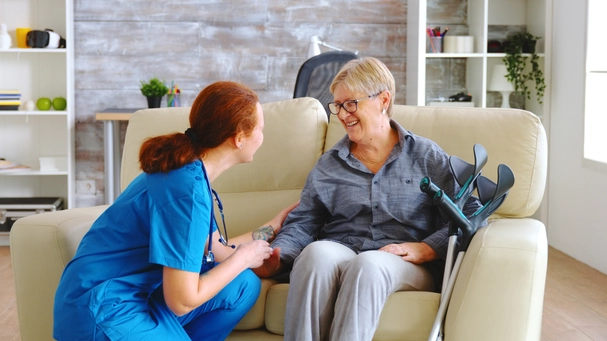
Although they don’t typically prescribe medications as nurses licensed to do so, they can help ensure that patients adhere to the prescribed treatment plan by reminding patients of their medications and monitoring general health conditions.
By monitoring the health of their patients regularly, PCAs help identify potential problems early and provide crucial information to family members as well as health professionals.
By keeping an eye on the client’s health condition and routines in the day Personal care assistants can provide better and more secure home-based care.
Reminding Patients to Take Medication
Many older adults and those who suffer from chronic illnesses depend on multiple medications to maintain their health. Knowing when and when to take these medicines can be difficult, especially for those with issues with memory or treatment regimens.
Personal Care Assistants offer helpful medication reminders via:
- Notifying customers when it’s the right time to take prescription medications
- Aiding in the organization of medications through pill boxes or reminder systems
- Ensure that medications are used according to the prescription set by healthcare providers
- Encourage clients to adhere to the dosage guidelines
These reminders aid patients in staying on track with their treatment regimens and minimize the chance of a dose being missed or not taken.
Monitoring Symptoms
Another important responsibility for PCAs is to monitor the physical health of the client and general health. Although PCAs aren’t medical professionals, they’re often the first to spot changes in the health of a patient through their every day interactions.
Examples of monitoring the health of a patient can include:
- Be alert to signs of discomfort, such as experiencing pain
- Noticeable changes in appetite or sleeping patterns
- Monitoring levels of energy or changes in mobility
- Be alert for signs such as swelling, dizziness, or breathing problems
Being aware of these aspects can ensure that health issues are detected early.
Observing Health Changes
By maintaining regular contact with clients on a regular basis, PCAs can conduct fundamental health surveillance by observing subtle changes in the behavior, physical condition, or emotional state. These observations are vital as they could indicate the onset of health problems that require immediate care.
Personal care assistants can observe:
- Unexpected changes in mood or alertness to the mind
- Mobility issues are becoming more difficult when performing daily chores
- Indications of illness, such as fatigue, fever, or even confusion
- Skin conditions can change, including redness and irritation
Sharing and documenting these observations will help healthcare professionals make educated decisions about the care of their patients.
Reporting Concerns to Nurses or Families
Communication is a vital aspect of providing quality home care. Personal care assistants are the first to notice any unusual signs or health issues; they will report the observations to relatives and nurses as well as health care providers.
This report process can comprise:
- Families should be informed of any changes in their health or behavior
- Notifying nurses in charge of the care or care coordinators
- Making daily observations an element of the care plan
- Ensure that medical professionals are aware of possible problems
Through sharing up-to-date information, PCAs help ensure that clients receive proper medical treatment when required.
A key aspect of personal care assistant duties and responsibilities includes providing regular medication reminders and careful health monitoring. Personal care assistants play a vital role in maintaining the safety and well-being of patients receiving care at home, ensuring a secure environment where health concerns can be addressed promptly.
Light Housekeeping and Home Support
Cleaning up a neat, tidy and secure living space is crucial to the well-being and wellbeing of those who are elderly and who receive healthcare at home. Many of them may have difficulty completing everyday household chores because of the limitations of mobility, illness, or physical limitations.
Personal assistants aid by providing support for the household to ensure the home is in a safe and comfortable environment while decreasing stress levels for the individual.
With light housekeeping for senior citizens, personal care assistants make sure that all household chores are carried out regularly, without putting too much pressure on the client. They help to ensure a safe living space and avoid accidents or risks which could compromise the patient’s security.
Laundry Assistance
Laundry is a challenge for those who struggle with standing for prolonged periods and bending or lifting weighty loads. Personal care assistants can assist in laundry tasks to make sure that customers are comfortable and clean clothes and bedding.
The laundry-related tasks may comprise:
- Drying and washing clothes, as well as linens
- Laundry folding and organization
- Then change the bed sheets and pillowcases
- Ensure that clothing is readily accessible to the customer
Clean bedding and clean clothes do not just promote hygiene, it help to improve the general well-being as well as the dignity and comfort of patients receiving treatment.
Cleaning Living Areas
Another essential responsibility of Personal Care Assistants (PCAs) is to maintain neat and clean living areas. Although PCAs are typically responsible for minimal cleaning, rather than extensive housekeeping, their efforts can help keep the environment healthy for the customer.
The most common cleaning tasks could comprise:
- Dusting furniture and other surfaces
- Cleaning floors or sweeping them
- Cleaning kitchen counters and tables
- Washing dishes or loading dishwashers
Sorting out garbage and keeping the area organized
Organizing Medications
Personal care assistants can assist with organizing medication in the course of their duties as a home safety assistant. Although they are not able to prescribe or administer medication unless they are specifically authorized to do so they are able to assist in keeping medications in order.
The organization for medication may be:
- Sorting the pills in pill organizers
- Cleaning up the areas around medication and making them accessible
- Reviewing labels on medications for the schedules and directions
- Making sure that medicines are stored securely and in a proper manner
A well-organized and organized client stays on track with their medication regimens and helps avoid confusion and missed doses.
Maintaining a Safe Home Environment
Making sure that you have an environment that is safe for residents is an essential aspect of the PCA’s job. Personal care assistants are able to provide safety by identifying potential dangers and assisting in preventing accidents.
Tasks that are focused on safety could include:
- Clearing out clutter on walkways to stop falls and trips
- Ensure the items that are frequently used are within easily reach
- Verifying that the lighting is sufficient in rooms and hallways.
- Keep floors dry and clear of obstructions
- Assistance with the safe use of mobility aids
In keeping a tidy and well-organized home, personal personnel reduce the risk of injuries as well as create the safety of the people who receive treatment.
Emotional Support and Companionship
Alongside helping with physical care and other daily tasks, personal care assistants also provide an uplifting companionship service that helps the mental and emotional well-being of their customers.
Many older people and those with disabilities are often in solitude, which can lead to feelings of loneliness and feeling of loneliness. Personal care assistants can help with these issues by offering a warm interaction, emotional comfort as well as opportunities to engage in social activities.
With a consistent and ongoing emotional support for elderly people, caregivers help create an environment where the clients feel respected and heard. They also feel connected. Their presence can greatly improve the level of living for those receiving care in their homes.
Conversation and Companionship
One of the easiest yet most important aspects of providing care is meaningful conversations. Personal care assistants typically engage with clients, observing their experiences and taking part in lively discussions. These interactions to build trust and improve the caregiver-client bond.
Companionship activities can include:
- Engaging in regular discussions throughout the day
- Sharing stories or memories and experiences
- Games on the board or playing card games with friends
- Listening to music
- Newspapers, books, or magazines
These moments of connectivity make clients feel less alone and more engaged in everyday life.
Reducing Loneliness
It is a major concern for seniors, especially those who live in a home with no other people or are unable to move around.
A lack of social interaction can affect physical and mental health. Personal care assistants can help ease anxiety by offering regular friendship and a positive environment for interaction.
Through frequent visits and meaningful interaction caregivers can create a welcoming presence that makes clients feel less isolated. A consistent relationship with a caregiver can boost mood, boost motivation and help to create an optimistic perspective on life.
Supporting Mental Health
The emotional well-being of a person is closely linked to health overall. Personal care assistants offer emotional support to seniors by providing encouragement, empathy and a sense of calm during difficult situations. The clients might experience anxiety, sadness, stress or anger due to health problems or loss of independence.
Caregivers aid in maintaining mental health through:
- Pay attention to the patient’s needs
- Reassurance and encouragement
- Keeping a peaceful and supportive atmosphere
- Assisting in reducing stress by helping with the day-to-day responsibilities
These interactions can help people feel accepted and valued and promote emotional stability.
Encouraging Social Activities
The personal care professionals also encourage social engagement by urging clients to keep in touch with their family as well as friends and other social activities as often as they can. Social interaction is essential for maintaining mental health and emotional well-being.
Examples of engagement in the social realm could include:
- Assistance to clients via video or phone calls to loved family members
- Assisting clients on short excursions or visits to the community
- Inspiring participation in recreational and leisure activities
- Assisting in attendance at social gatherings or religious services. support groups
They help people stay active and connected to their communities, which could greatly improve their quality of life.
With a caring companionship approach with meaningful conversations and constant social engagement, personal care assistants assist patients in maintaining their emotional health as they live comfortably in their own homes. Their presence not only supports physical needs but also supports the social and emotional aspects of everyday life.
How Home Healthcare Agencies Provide Personal Care Assistants
Home healthcare organizations are essential in connecting families to qualified personal care assistants and providing top-quality home care. Agencies such as Elbok Home Healthcare Solutions LLC offer a range of professional services that go above and beyond assistance.
They provide structured and individualized support specific to the needs of each client. When cooperating with an agency, families can ensure that their loved ones receive secure reliable, dependable, and caring treatment at home.
Professional PCA Services
The home healthcare providers employ personal care assistants that offer personal care at home for people who are elderly, have disabilities, and for those recovering from surgery or illness. These PCAs aid with a range of everyday tasks, such as:
- Hygiene and personal hygiene
- Nutrition and meal preparation support
- Transfer assistance and mobility
- Health reminders for medication and the basics of monitoring
- Support for emotional needs and companionship
Professional PCAs offer regular care that is tailored to the specific needs of the client to ensure comfort, security and well-being at home.
Personalized Care Plans
One of the main benefits when working through a home health agency is the ability to create customized health plans. Every client is provided with a customized plan which outlines the particular requirements for services and the frequency of their treatments, as well as any particular requirements in relation to mobility, health or lifestyle preferences.
A customized care plan usually comprises:
- Daily schedules of living assistance
- Exercise and mobility routines
- Guidelines for nutrition and hydration
- Prevention of falls and safety measures strategies
- Social and emotional support activities
The plans will ensure that the PCA’s programs are in line with the needs of the patient and the objectives of the healthcare provider or family member.
Trained Caregivers
Home healthcare organizations ensure that personal care assistants are educated and certified to provide secure and efficient care. Professional caregiving services provided by agencies include:
- Complete training in mobility assistance, personal care and emergency procedures
- Continuous education to keep you up-to-date regarding the latest methods and standards for safety.
- Screenings and background checks are conducted to determine the reliability and credibility of the person.
- Information on how to use adaptable equipment and home care equipment
The trained caregivers offer peace of mind for families knowing they are safe with good caregivers.
Supervision and Quality Care
Agencies such as Elbok Home Healthcare Solutions LLC offer structured supervision and high-quality surveillance to ensure the highest levels of quality care. This includes:
- Regular check-ins with the nursing managers or coordinators of care
- Inspecting satisfaction of clients and responding to concerns quickly
- Care plans that are adjusted when the needs of the client change
- Insuring compliance with safety protocols and the best practices
This standardized oversight ensures that customers receive consistent quality, top-of-the-line care. Personal care assistants are accountable and supervised in their responsibilities.
With expert PCA services, developing individualized care plans, employing skilled caregivers, and ensuring the supervision in quality supervision, home health organizations provide families with quality personal care at home.
Agencies such as Elbok Home Healthcare Solutions LLC help bridge that gap in between familial caregivers and professional assistance, allowing people with disabilities and seniors to live comfortably and safely at home, while providing families with peace of mind.
Frequently Asked Questions
What is a personal care assistant do?
The personal assistant (PCA) provides non-medical care for seniors, people with disabilities, or those recovering from injuries or illnesses. Their job is to assist people with their daily activities like dressing, bathing and meal preparation as well as mobility, companionship, and household chores.
PCAs are geared towards ensuring their independence, providing safety, and enhancing living conditions for the people who receive in-home care.
What are the most important responsibilities of PCAs? PCA?
The primary responsibilities of a personal assistant are:
- Assisting in the grooming and personal hygiene of your clients.
- Facilitating mobility and safe transfers
- Food preparation and nutritional assistance
- The service provides emotional support and friendship
- Doing light housekeeping and household management
- Monitoring health and giving reminders for medications
This allowspatients to remain in a safe and comfortable environment at home, while lessening the burden on family caregivers.
Personal care attendants provide medications?
PCAs generally do not prescribe medication unless they have specialized qualifications or certificates that permit them to do so under the laws of their state. However, they may offer reminders for medications to ensure that clients to take their prescribed medication when they are due and at the right dosage.
They also monitor for any adverse effects or changes in health, and communicate any concerns to relatives or health care experts.
What skills are needed for the personal care assistant?
Essential abilities to be PCA applicants include: PCA comprises:
- Listening and communication skills
- Empathy, patience, and compassion
- Physical endurance to allow mobility and transfer aid
- Management of time and organizational abilities
- Monitoring of health status and observation
- Problem-solving and aptitude
This ensures that the PCA will offer safe, efficient, and individualized service to every patient.
What makes a personal care assistant different from CNA?
The Certified Nurse Assistant (CNA) is certified to complete medical-related tasks such as examining vital signs, aiding in medical procedures, and aiding in nursing care under the supervision of.
A PCA concentrates on mainly on non-medical living assistance such as eating hygiene, meal preparation, mobility, and friendship. While both offer essential services, PCAs are usually more involved in household and personal support, rather than medical intervention.
Do PCAs provide housekeeping services?
Yes, personal care assistants typically are required to perform housekeeping tasks as part of their job. This could include things like:
- Kitchen and living room surfaces
- Laundry, organizing clothes, or bedding
- Ensure that walkways are clear of clutter for security
- Organising supplies or medications
They aim to maintain the cleanliness, safety, and a comfortable living space without requiring heavy or extensive cleaning chores.
Are personal care assistants trained?
Professional PCAs are provided with formal education in personal care mobility aids, personal care and safety practices. Training programs can include instruction on hygiene and nutrition safety, fall prevention, health observation and communication abilities.
A lot of home health agencies offer ongoing training and supervision to make sure caregivers remain current regarding the most effective practices.
Can PCAs aid elderly people who live at home?
Absolutely. Personal care assistants provide home assistance specifically designed for elderly people. They assist seniors in maintaining their autonomy, take care of daily chores, stay safe, and keep them socially active.
With individualized care provided in an environment that is familiar, PCAs can improve the physical and psychological well-being of seniors who live at home.
How long does an PCA work?
The amount of time an PCA performs is contingent on the needs of the client and the treatment plan. Some PCAs offer support in part-time hours, like a few days per week, whereas others provide live-in or full-time support.
Families and agencies typically work together to ensure that the patient is provided with constant care and the flexibility of the caregiver, as well as the family.
How do I get an individual care assistant?
You can find an PCA via an agency that provides home healthcare or by yourself. Agents such as Elbok Home Healthcare Solutions LLC provide supervised, educated and background-checked care providers along with individualized care plans. Independent hiring can require a family member to handle screening schedules, payroll, and screening. The steps to hire include:
- Examining the needs of the patient’s caregiver
- Examining experience and qualifications
- Verifying references and background
- Conducting interviews to determine personality and compatibility
- The creation of a care program and a schedule
The right PCA will ensure that your loved ones receive expert, trusted, trustworthy, and caring personal care at home.