

If a loved one requires medical treatment but prefers to remain at the ease of their home, home health nurses are a vital connection between medical care and daily life. Health nurses from home visit patients at their homes to provide nursing care that is skilled as well as monitor health issues, assist in recovery, train caregivers and patients as well as aid in preventing complications that could be avoided.
What exactly is an in-home health nurse do? What are the services they can provide at home? And who could benefit from their home health care?
We at Elbok Home Health Care we recognize that having medical care at home can be a boon both for the patient and family members. Our mission is to provide compassionate and expert home health care that encourages comfort, safety as well as independence and improved health outcomes.
In this article we provide a detailed explanation of the work of home health nurses and the services they offer and who might need them, and how nursing home care can help families and patients across in the United States.
What Is a Home Health Nurse?
The term “home health nurse” refers to Home health nurse is a certified nursing professional that provides expert medical treatment to patients in their own homes. As opposed to receiving the full range of nursing care in a nursing home, or clinic Patients who qualify may receive certain types of nursing services within their home.
Home health nurses can assist seniors, adults recovering from surgery or illness or for those with chronic ailments or with disabilities, and patients who require continual medical surveillance.
The duties of nurses can differ based on the medical needs of the patient and prescriptions from the physician, the care plan, as well as the amount of support needed by nurses.
A nurse at home may be in contact with the patient and family members, doctors or therapists as well as other health professionals to coordinate treatment and assist the patient in following the appropriate treatment plan.
Why Choose Home Health Nursing?
Home health nursing provides professional medical support in the comfort and familiarity of your own home.
It offers personalized care, convenient monitoring, and compassionate assistance based on each patient’s individual needs.

Comfort
Patients are treated in a relaxed environment in which they can feel more at ease.
Convenience
Home-based care can cut down on the necessity of certain trips to hospitals when expert medical care can be offered in the comfort of your home.
Personalized Attention
The treatment plan can be customized to the patient’s particular needs and objectives for health.
Family Involvement
Families and their caregivers could have the opportunity to learn more about the care plan and give the proper support.
Continuity of Care
Regular visits and regular communication between health professionals can aid in maintaining continuity during recuperation and continue monitoring of your condition.
What Do Home Health Nurses Do?
Home health nurses take on various tasks that require skilled nursing, dependent on each patient’s specific requirements. Their job isn’t limited to a single task. They often offer an array of services designed to assist patients maintain their health at home.
Common obligations comprise:
- The process of assessing a patient’s health
- Monitoring vital signs
- Assisting in the administration of medications according to instructions
- Dressing wounds and managing wounds, as well as changing dressings
- Giving injections as they are
- Health monitoring for chronic ailments
- Assisting in recovery after surgery
- Training family caregivers, patients and patients
- Informing about health issues with doctors
- Aiding to prevent problems
- Coordination with other health professionals
- Recording nursing care and patient progression
The specifics of the services offered will depend on the patient’s health and the individual treatment plan.
1. Conducting In-Home Nursing Assessments
One of the primary duties of a home health nurse is to evaluate the condition of the patient.
In a home visit the nurse will evaluate various the following aspects:
- Blood pressure
- Heart rate
- Rate of respiration
- Temperature
- Oxygen saturation
- Pain levels
- Mobility
- Medication use
- Wound condition
- The symptoms of chronic illnesses
- Physical or mental functioning
The nurse makes use of the information to detect any changes that require further care.
Regular checks aid healthcare professionals in determining whether the patient is getting better or maintaining their health or is experiencing any potential issues.
2. Monitoring Vital Signs and Health Changes
Home health nurses are regularly monitoring vital signs, if necessary to the patient’s treatment plan.
For instance, patients suffering from certain respiratory, cardiovascular or other chronic diseases are likely to require periodic surveillance of pulse, blood pressure levels of oxygen, other measures.
Nurses can compare their the present observations with previous readings and identify any changes that may be occurring.
If the condition of a patient changes substantially, the nurse will report the changes to the appropriate healthcare professional and adhere to the established treatment plan.
Monitoring on a regular basis can be particularly beneficial for patients who recently been released from a hospital or are dealing with difficult health conditions.
3. Medication Management and Education
The management of medication is another crucial component of skilled home health care.
Many people over the age of 65 and those who suffer from chronic illnesses are prescribed multiple medications. It can be difficult to keep track of the names of medications dosages, schedules, and directions can be difficult.
Based on the care plan and the applicable regulations, a home-health nurse can:
- Take care to administer medications according to the prescription.
- Offer education on medication-related issues
- Monitor for potential side effects
- Review the adherence of medications
- Recognize any potential issues
- Inform health care providers
The home health nurse is not able to alter prescriptions on their own unless they are authorized to do so by their professional responsibilities and in accordance with the treatment plan of the patient.
Their mission is to assist patients take medication safely, in accordance with their doctor’s prescriptions.
4. Wound Care and Dressing Changes
Patients recovering from injuries, surgery pressure injuries, other wounds might require expert wound treatment.
A nurse at home may offer wound-related services, such as:
- Evaluation of the wound
- The wound should be cleaned according to instructions
- Changing dressings
- Monitoring healing
- Identifying indicators of the presence of
- The importance of educating caregivers and patients on wound treatment
- Sending your concerns to the healthcare professional
Professional wound care is particularly important for those who struggle to change their own dressings, or require constant surveillance.
Paying attention promptly to changes within a wound could assist the healthcare team to respond to complications in a timely fashion.
5. Post-Surgery Nursing Care at Home
The return home following surgery can be difficult. Patients might require assistance in understanding the instructions for discharge and managing their medications, taking care for their incision, monitoring signs and symptoms, and then gradually returning to their normal routine.
Home health nurses are able to provide nursing care skilled in the post-operative healing process when requested and needed.
They could be monitoring:
- Surgery sites
- The symptoms and pain
- Routines for taking medication
- Vital indicators
- Progress in recovery
- Possible signs of problems
Nurses can also reinforce instructions given by the doctor and assist the patient in understanding when to speak with their physician.
Receiving the right medical attention at home can offer comfort for both patients and family members during the healing phase.
6. Caring for Patients With Chronic Conditions
Many people require ongoing care due to chronic health conditions.
Depending on the patient’s medical plan Home health nurses can assist patients with ailments such as:
- Diabetes
- Heart-related issues
- Conditions of the respiratory system
- Hypertension
- Certain neurological disorders
- Chronic injuries
- Other conditions that require professional nursing supervision
Nurses can be able to monitor symptoms, educate as well as reinforce the treatment plan, and inform important changes to the healthcare team.
The goal is not just to address a single symptoms. It’s to assist patients manage their illness in a safe manner while staying at home as often as is necessary.
7. Patient and Family Caregiver Education
Education is among many of the greatest services that a home health nurse offers.
Patients and their family caregivers might be concerned about medicines or wound care, symptoms such as diet, mobility and other elements of an treatment plan.
A nurse at home can communicate care instructions in the manner that is more easy for both the patient and family to comprehend.
Education could comprise:
- How to follow instructions for taking medication
- What are the signs to look for?
- How do you care for an injury
- Follow the instructions of your physician
- How can we reduce certain risks to safety
- When to call the healthcare provider
- What caregivers can do to support the patient’s plan of care
Education can help families feel more comfortable when it comes to caring for their loved ones at home.
8. Helping Prevent Complications
The home health nurses are a key factor in identifying problems before they become serious.
Regular visits to the home allow health professionals to examine the condition of patients within their normal surroundings. They may observe changes that relatives aren’t aware of or the patient is having difficulty communicating.
Dependent on the patient’s condition, nurses can look out for any concerns, including:
- More severe symptoms
- Changes in vital signals
- Wound problems
- Problems with medication
- Decreased mobility
- Pain and discomfort increase
- The signs of infection
- Changes requiring physician follow-up
The early detection of a problem does not assure that a condition can be avoided However, it can aid the healthcare team in responding faster when issues arise.
9. Coordinating With the Healthcare Team
Home health nurses are often in contact with doctors and other health specialists involved in patient’s treatment.
The care team for a patient could comprise:
- Primary physician
- Specialists
- Physical therapy
- Therapists for occupational therapy
- Speech therapists
- Social workers
- Aids to home health
- Family caregivers
The nurse can report pertinent changes to the patient’s health and assist in ensuring that the staff members are aware of important information.
This can help ensure continuous care especially when patients are transitioning out of hospital or rehab centers returning to their home.
10. Supporting Safe Recovery at Home
Health care at home can be especially helpful during times of recovery.
Patients may be more relaxed recovering in a familiar space instead of having to spend hours away from their home.
Nurses can provide expert medical care as well as help the patient and their family members comprehend the treatment plan.
Based on the treatment plan it could include checking for health changes, providing instructions for medical care, providing treatment for wounds, helping with the use of medications, and communicating with health professionals.
The goal is to make sure that the patient receive professional treatment while remaining as secure and independent as they can be.
Who Can Benefit From Home Health Nursing?
Home health nursing can be beneficial to people who require skilled nursing care and meet the requirements to receive treatment at home.
Patients that could be candidates include:
Seniors
Adults who are older might require assistance from a nurse during hospitalization, surgery or illness, or even modifications to their medical status.
Patients Recovering From Surgery
Patients recovering from specific procedures might require wound monitoring and medication assistance, as well as other nursing care services that are skilled.
People With Chronic Conditions
Patients with chronic medical conditions can benefit from regular assessments as well as education and monitoring.
Individuals With Mobility Challenges
People with mobility issues might find frequent travel to appointments for medical care difficult. Home health care services that are appropriate for them can provide certain kinds of medical care to the comfort of your home.
Patients Transitioning From Hospital to Home
The time immediately after discharge from the hospital can be particularly crucial. Health care professionals at home can help patients follow the instructions for discharge and keep track of their progress.
Get Professional Home Health Care With Elbok Home Health Care
Get in touch with Elbok Home Health Care today to find out more about the services we offer at home and discuss your health care requirements.
What Is the Difference Between a Home Health Nurse and a Home Health Aide?
The most frequently asked concern is whether a home health nurse and home health aide play the same function. They are not.
The term “home health nurse” refers to a house health professional is a certified nursing professional who offers skilled health services within their professional area of expertise.
An home health aid generally assists in daily activities and personal care in accordance with the plan of care and the applicable regulations.
For instance personal care assistance could consist of:
- Bathing
- Grooming
- Dressing
- Toileting
- Mobility
- The basic daily routine
Nursing at home however can involve clinical responsibilities including assessment, medication-related treatment and health monitoring, wound care and patient education.
Certain patients could receive personal and Skilled Nursing Services based on their individual requirements.
How Often Does a Home Health Nurse Visit?
There isn’t a single set of guidelines for every patient.
The frequency and length of visits to home health nurses depend on factors like:
- The medical condition of the patient
- Medical or health provider’s prescribes
- The individualized care plan
- Nursing skills are a must.
- Progress in recovery
- Eligibility and coverage requirements applicable to the policy.
Certain patients might require visits more often during an initial recovery phase, whereas others might require fewer visits once their condition has stabilized.
A certified home health professional can assess the patient’s needs and provide a description of what nursing schedule would be suitable for them.
What Happens During a Home Health Nursing Visit?
A typical visit could vary based on the condition of the patient and treatment plan.
The nurse can start to ask the patient what they’re doing and whether there has been any changes since their last visit.
The nurse could then:
- Examine the relevant symptoms and questions.
- Make sure you are aware of the appropriate vital indicators.
- Evaluate the patient’s overall condition.
- Perform ordered nursing procedures.
- Offer medical-related treatment when needed.
- Check for wounds or surgical sites as needed.
- Give caregivers and patients education.
- Record the trip.
- Inform the health care team.
The aim of each session is to offer expert care that is outlined in the patient’s individual treatment plan.
How to Know If Your Loved One May Need a Home Health Nurse?
Families should think about discussing options for home health with a medical professional if you or a loved one is struggling with dealing with medical needs at home.
Possible indicators that skilled home care may be something worth considering are:
- Recent hospitalization
- Recent surgery
- Complex routines for medication
- A wound that requires skilled treatment
- Significant changes in health
- The difficulty of managing chronic conditions
- The need for regular health monitoring
- Problems with getting to appointments
- The need for caregiver education
A health professional can decide whether the home health services offered are clinically appropriate and what kind of treatment is required.
How Elbok Home Health Care Supports Patients at Home
We at Elbok Home Health Care We believe that high-quality healthcare should be centered around the patient, not just the diagnosis.
Our philosophy is based on a warm and caring service Respect, security, communication, and personal treatment.
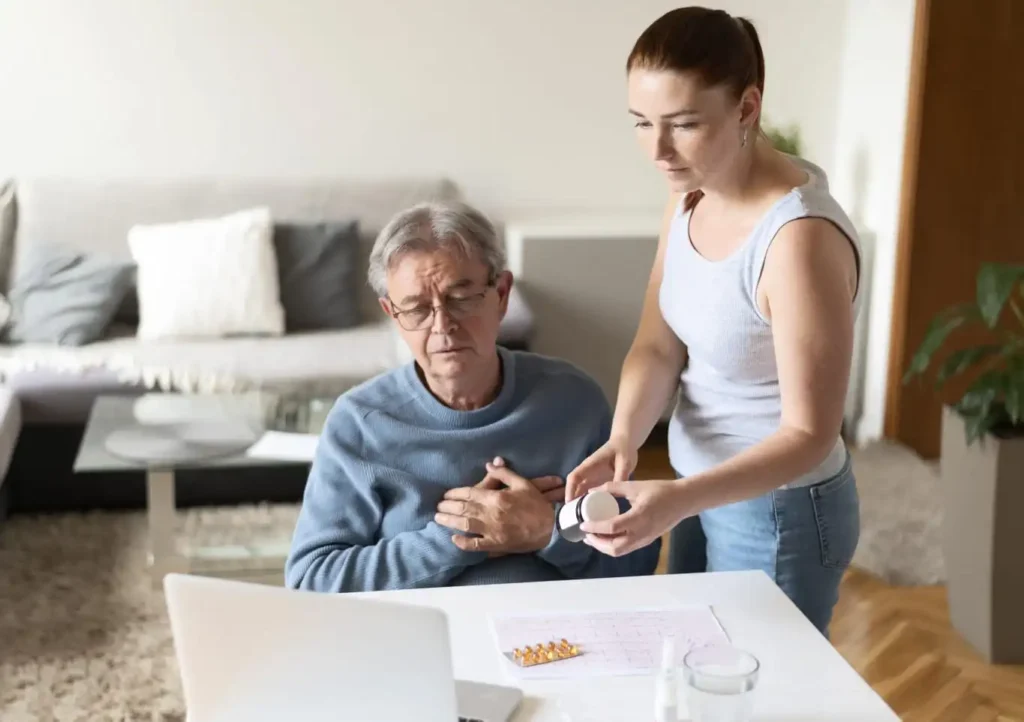
According to the patient’s requirements and their care plan Our home health care services can help patients who require assistance from a professional at home, while they are in their home.
We recognize that choosing an individual home health provider is an important choice. Families seek caregivers they can trust as well as professionals who are aware of how important it is to treat each patient with respect.
Our team strives to provide solid support and maintain a focus on the patient.
Compassionate Care
We treat our patients with respect, compassion, and understanding.
Personalized Support
Every patient has unique requirements. Our focus is on providing treatment that is based on the patient’s needs and their existing treatment plan.
Professional Service
Our aim is to provide safe and reliable healthcare at home that is supportive of families and patients throughout their journey of care.
Family Communication
We know that families often wish to be informed of their loved ones’ care. A clear communication system helps families feel more at ease during the process of care.
Questions to Ask When Choosing a Home Health Care Provider
Before deciding on a provider, families should ask:
- What services for home health do you offer?
- Are your healthcare professionals properly certified or licensed?
- What is the process by which the patient’s treatment plan created?
- How often will caregivers visit?
- How do you interact with doctors?
- How can you deal with the changing conditions of a patient?
- What regions do you service?
- What can families anticipate during the first time they visit?
- What services are covered by insurance programs or other plans?
- How can family members connect and the caregivers?
These questions will allow you to compare providers and pick a service that meets the requirements of your loved one.
Frequently Asked Questions About Home Health Nurses
1. What is a nurse at home do?
Home health nurses is a person who provides professional nursing services in the home of a patient. Based on the plan of care the duties could include health assessments, monitoring of vital signs medications and wound treatment, patient education, chronic condition monitoring, as well as communications with healthcare professionals.
2. What exactly is a home health nurse accountable for?
Home health nurses are accountable to provide skilled nursing services stipulated in the patient’s approved or approved care plan as well as within the scope of professional duties for the nurse. It is possible to vary the duties according to the condition of the patient and health prescriptions from the healthcare provider.
3. Can a nurse at home prescribe medicines?
A nurse at home can administer medication or provide medical services when needed required, prescribed, or ordered and is permitted within the nurse’s professional responsibilities and the applicable regulations.
4. Do home health nurses offer the treatment of wounds?
Yes. Dressing changes and assessment of wounds are typical instances of skilled nursing provided when requested and clinically acceptable.
5. Do home health nurses aid during the procedure?
They could offer skilled nursing assistance following surgery if home health is required and deemed appropriate. They can provide monitoring of the healing process and evaluating surgical sites and providing wound care as per the order and strengthening discharge guidelines.
6. How long should a nurse at home stay?
The length of a treatment is dependent on the needs of the patient as well as the services provided as well as the specific treatment plan. There isn’t a standard visit length for every patient.
7. Can a nurse at home take care of the elderly?
Yes. Seniors are able to get home health nursing services for a variety of medical requirements which include post-hospital recovery managing chronic conditions and wound care, as well as medical-related services, as well as health monitoring.
8. Are home health nurses similar to a home health aide?
No. Home health nurses offer professional nursing services, whereas home health aides usually help in personal care and other activities in daily life. Patients may be offered both kinds of services.
9. How do I schedule the home health care of a loved person?
Begin by speaking to the individual’s doctor or health provider to discuss their requirements and whether or not home health services are the best option for them. The next step is to contact an accredited home health agency to discuss services available and next steps.
10. How do I locate home health professionals near me?
Find credible home health agencies that are in your area, look over the services they provide and inquire regarding their professional credentials as well as their care process as well as their service area and schedule. You may also request recommendations from your doctor. suggestions.