

As adults age, everyday household tasks can become more challenging. Activities such as dusting furniture, washing dishes, changing bed linens, doing laundry, and keeping walkways clear may require more time and physical effort than before. For seniors who want to remain in their own homes, maintaining a clean, organized, and comfortable living environment can be an important part of everyday well-being.
This is where light housekeeping can make a meaningful difference. Light housekeeping involves routine household tasks that help maintain cleanliness, organization, and comfort without requiring intensive cleaning or specialized maintenance. When included in a home care plan, these services can help older adults manage daily responsibilities while supporting their independence.
For families caring for an aging parent or loved one, understanding what light housekeeping includes and how it contributes to senior safety can help them make informed decisions about in-home support.
At Elbok Home Health Care, we recognize the importance of a comfortable home environment for individuals who need assistance with everyday activities. Appropriate in-home support can help seniors maintain their routines, enjoy a more organized living space, and receive assistance with household tasks that have become difficult to manage alone.
What Is Light Housekeeping?
Light housekeeping refers to routine, non-intensive household chores that help keep a home clean, tidy, and comfortable. These tasks generally focus on the areas seniors use most frequently, including bedrooms, kitchens, bathrooms, and living spaces.
Unlike deep cleaning, which may involve extensive scrubbing, moving heavy furniture, or specialized cleaning procedures, light housekeeping focuses on manageable everyday tasks that support a pleasant living environment.
Depending on an individual’s needs and the agreed-upon care plan, light housekeeping may include:
- Washing dishes and wiping kitchen counters.
- Dusting accessible surfaces and furniture.
- Sweeping or vacuuming commonly used areas.
- Mopping appropriate floor surfaces.
- Washing, folding, and putting away laundry.
- Changing bed linens and making beds.
- Taking out household trash.
- Organizing frequently used belongings.
- Keeping hallways and walkways free from clutter.
- Wiping down commonly used household surfaces.
These services can be particularly helpful for seniors who experience reduced mobility, fatigue, balance difficulties, or limitations that make routine chores harder to complete independently.
Light housekeeping is not intended to replace professional deep cleaning, pest control, home repairs, or other specialized services. The precise tasks available depend on the provider, the care arrangement, and the individual’s needs.
Light Housekeeping vs Personal Care Services
Light housekeeping and personal care may complement one another, but they serve different purposes.
Light housekeeping focuses on the home environment. Personal care focuses on helping individuals with activities related to their own daily needs.

Depending on the care plan, personal care may include assistance with bathing, dressing, grooming, toileting, mobility, and other activities of daily living.
For example, a senior may need help getting dressed and also benefit from having laundry completed and the bedroom organized. These services address different needs and may be combined when the provider offers both.
Families should discuss the individual’s complete support requirements rather than assume every home care service includes the same tasks.
Why Is Light Housekeeping Important for Seniors?
Maintaining a household can become physically demanding as people age. Even seemingly simple chores may require bending, stretching, lifting, standing for extended periods, or moving between rooms.
When these tasks become difficult, seniors may postpone them, increasing household clutter and making daily routines less comfortable. Family members may also find it challenging to balance household assistance with employment, parenting, and other responsibilities.
Light housekeeping provides practical support by helping older adults manage routine chores without having to complete every task themselves.
1. Helps Reduce Household Hazards
One of the most important benefits of light housekeeping is maintaining clear and accessible living spaces.
Loose objects, laundry baskets, electrical cords, discarded packaging, and clutter in frequently used walkways can create tripping hazards. Seniors who experience balance difficulties or use walkers and other mobility aids may be especially affected by obstructed paths.
Light housekeeping can help keep commonly used areas organized by putting belongings away, removing routine clutter, and maintaining clear routes between essential areas of the home.
For example, keeping the path between a bedroom and bathroom free from laundry and other objects can make nighttime movement easier. Similarly, ensuring that frequently used items are stored within comfortable reach may reduce the need for unnecessary bending or stretching.
Although housekeeping can help address some environmental hazards, it cannot eliminate every fall risk. Home safety assessments, appropriate lighting, secure handrails, and other modifications may also be necessary.
2. Supports Independent Living
Many seniors prefer to remain in familiar surroundings rather than move away from their homes. However, maintaining a household can become a barrier to independent living when routine chores are difficult to manage.
Light housekeeping can help seniors continue living at home, by providing assistance with tasks that require more physical effort.
An older adult may still be able to prepare meals, choose clothing, enjoy hobbies, and participate in family activities but struggle with vacuuming, changing bed sheets, or carrying laundry.
Receiving help with these specific responsibilities allows the individual to focus on activities they can comfortably perform themselves.
This approach supports independence without requiring seniors to give up control over their daily routines. Families can also participate in developing a care plan that respects the senior’s preferences, schedule, and comfort.
3. Promotes a More Comfortable Living Environment
A tidy home can make everyday activities easier and more enjoyable. Clean surfaces, fresh bed linens, organized belongings, and maintained living areas contribute to a more welcoming environment.
When household chores accumulate, seniors may feel overwhelmed by the amount of work required to restore order. Light housekeeping helps manage these tasks regularly rather than allowing them to become an increasingly difficult burden.
A comfortable living environment can also make it easier for seniors to welcome relatives, friends, and other visitors.
For older adults who spend much of their time at home, maintaining familiar and organized surroundings can support daily comfort and a sense of control over their living space.
4. Helps Families Manage Caregiving Responsibilities
Family caregivers frequently manage multiple responsibilities, including appointments, transportation, medication reminders, meal preparation, and personal assistance.
Adding every household chore to these responsibilities can create significant pressure, especially when family members live far away or have demanding work schedules.
Light housekeeping can reduce some of this practical burden by helping maintain the home during scheduled care visits.
For example, a family caregiver may use the time they would otherwise spend washing dishes or folding laundry to accompany a parent to an appointment, prepare meals, or enjoy meaningful time together.
This support does not replace family involvement. Instead, it can help families share responsibilities more sustainably and focus on the aspects of caregiving that matter most to them.
Give your loved ones dependable live-in care with compassionate support, that promotes safety, dignity, and independence in their own homes.
What Does Light Housekeeping Include in Home Health Care?
Light housekeeping can be incorporated into certain home care arrangements to help individuals maintain a safe, organized, and comfortable living environment.
The exact services available depend on the provider, the care plan, the individual’s needs, and applicable state requirements. In many situations, these tasks are part of nonmedical home care or personal assistance rather than skilled medical treatment.
Kitchen Cleaning and Dishwashing
The kitchen is an important area for maintaining household cleanliness because seniors may use it throughout the day to prepare meals, make drinks, or store food.
Light housekeeping may include washing dishes, wiping countertops, cleaning accessible surfaces, and putting commonly used kitchen items away.
Keeping the kitchen organized can make everyday meal preparation more convenient. Removing routine clutter from counters and walkways may also reduce unnecessary obstacles.
However, food safety still requires appropriate food storage, proper refrigeration, and safe handling practices. Light housekeeping should not be assumed to include every food preparation or kitchen sanitation task.
Laundry and Linen Changes
Laundry can be physically demanding because it often involves carrying clothing, bending, lifting baskets, and reaching into washing machines or dryers.
For seniors with mobility limitations, these movements may increase discomfort or create avoidable safety concerns.
Light housekeeping may include washing and folding clothing, putting away clean garments, and changing bed linens. Assistance with these tasks helps keep clothing and bedding organized and available when needed.
Caregivers should follow the senior’s preferences and respect personal belongings, especially when handling delicate clothing or items that require specific washing instructions.
Dusting and Surface Cleaning
Dusting accessible furniture and wiping commonly used surfaces can help maintain an orderly home.
These tasks may include cleaning tables, bedside surfaces, shelves within easy reach, and other regularly used areas.
For seniors with respiratory sensitivities or allergies, reducing accumulated household dust may improve comfort, although housekeeping alone cannot treat allergies or respiratory conditions.
Care should be taken to avoid climbing on stools, reaching overhead, or moving heavy furniture. More demanding cleaning should be handled by an appropriately equipped cleaning professional when needed.
Sweeping, Vacuuming, and Floor Care
Keeping floors clear of ordinary debris and maintaining commonly used areas can make a home easier to navigate.
Light housekeeping may involve sweeping, vacuuming accessible areas, or mopping suitable floors when the task can be completed safely.
Wet floors should never be left unattended in areas where seniors walk. Appropriate cleaning methods and drying procedures are important because slippery surfaces can increase fall risk.
If a senior uses a walker or wheelchair, the caregiver should ensure that cleaning equipment and supplies do not obstruct accessible routes.
Bedroom Organization
A comfortable bedroom can make daily routines easier, especially for seniors who spend more time resting or recovering at home.
Light housekeeping may include making the bed, changing linens, putting away clothing, and keeping bedside areas organized.
Frequently used items, such as glasses, a telephone, and other personal belongings, should be arranged according to the senior’s preferences and within comfortable reach.
Caregivers should not rearrange important belongings without permission. Consistency can be particularly valuable for individuals who rely on familiar surroundings to navigate their homes.
Bathroom Surface Maintenance
Bathrooms require particular attention because water and limited space can contribute to slipping hazards.
Depending on the care arrangement, light housekeeping may include wiping accessible surfaces, tidying bathroom items, and maintaining an orderly space.
Routine housekeeping is not the same as hands-on bathing assistance or specialized bathroom sanitation. If a senior needs help bathing, transferring, or using the toilet, those needs should be discussed separately when developing an appropriate care plan.
Families may also consider grab bars, nonslip surfaces, adequate lighting, and other safety modifications.
How Does Light Housekeeping Help Prevent Falls at Home?
Falls are a significant safety concern for older adults. Household conditions can contribute to fall risk, particularly when floors are cluttered, walking paths are obstructed, or everyday items are difficult to reach.
Light housekeeping can help address some of these environmental concerns.
Keeping Walkways Clear
Clutter-free walkways provide more space for seniors to move safely between rooms. This can be particularly important for people who use canes, walkers, or wheelchairs.
Routine tidying can help prevent laundry, shoes, bags, and other objects from accumulating in high-traffic areas.
Reducing Floor Hazards
Dust, small objects, and other debris may make household surfaces harder to navigate. Appropriate floor care can help keep commonly used areas cleaner.
Caregivers should use suitable cleaning methods and ensure that floors are dry before seniors walk across them.
Making Everyday Items Easier to Access
Frequently used belongings should be stored in accessible locations. Keeping clothing, kitchen supplies, and personal items within comfortable reach can reduce the need for climbing, bending, or stretching.
Supporting Consistent Home Organization
Seniors may become accustomed to familiar arrangements. Returning household items to their usual locations can help preserve a predictable environment.
This is especially important for individuals who have difficulty remembering where objects are stored or navigating unfamiliar arrangements.
Important: Light housekeeping is one part of home safety. It does not replace medical advice, fall-prevention assessments, mobility support, or professional evaluation of home hazards.
Discover reliable 24-hour in-home support that provides seniors with continuous assistance, comfort, and personalized care throughout the day and night.
Get Help Maintaining a Safe and Comfortable Home
Contact Elbok Home Health Care today to discuss your family’s needs, learn about available in-home services, and explore options for supporting a loved one at home.
Who Can Benefit From Light Housekeeping Services?
Light housekeeping may be helpful for a variety of individuals who find routine household chores difficult to manage independently.
Seniors Aging at Home
Older adults who want to remain in their homes may benefit from assistance with cleaning, laundry, and everyday organization.
Support can help them maintain their preferred routines without requiring them to complete physically demanding chores alone.
Individuals With Limited Mobility
People who have difficulty standing for long periods, bending, lifting, or walking between rooms may find household maintenance especially challenging.
Light housekeeping can help reduce the physical demands of these tasks while allowing individuals to remain involved in household decisions.
Adults Recovering From Surgery or Illness
Recovery can temporarily limit a person’s ability to perform routine chores.
Depending on their needs and care arrangements, individuals recovering at home may benefit from assistance with laundry, dishes, and keeping frequently used areas organized.
Housekeeping support should complement any medical instructions or rehabilitation plan rather than replace prescribed treatment.
Individuals Living With Chronic Conditions
Some chronic conditions can affect stamina, mobility, or the ability to complete daily activities.
Light housekeeping may help people manage household responsibilities during periods when energy or physical capacity is limited. The type and frequency of support should reflect individual needs.
Family Caregivers Supporting Loved Ones
Relatives who provide regular care may benefit from arranging practical household assistance for an older family member.
This can help reduce the number of responsibilities they must manage during each visit and provide more time for companionship, appointments, and personal support.
Light Housekeeping vs Deep Cleaning: What Is the Difference?
Understanding the distinction between light housekeeping and deep cleaning helps families select appropriate services.
Light housekeeping focuses on routine tasks that maintain an orderly living environment. Examples include washing dishes, folding laundry, dusting accessible surfaces, making beds, and tidying walkways.
Deep cleaning involves more intensive work, such as cleaning inside appliances, scrubbing extensive buildup, washing walls, cleaning difficult-to-reach areas, and moving heavy furniture.
Light housekeeping is generally designed to support everyday living rather than perform a complete, intensive cleaning of the home.
When discussing services with a home care provider, families should clarify which tasks are included, how much time is available for household support, and whether additional cleaning services must be arranged separately.
Experience compassionate in-home care and everyday assistance, designed to help seniors enjoy a cleaner, safer, and more comfortable living environment.
How to Choose the Right Light Housekeeping Services for Seniors
Selecting appropriate light housekeeping support involves understanding the senior’s daily routine, household needs, mobility, and preferences.
Families should look for a provider that communicates clearly, respects personal boundaries, and explains the services available before care begins.
1. Identify the Tasks That Need Assistance
Start by listing household responsibilities that have become difficult to complete. These may include laundry, dishwashing, changing linens, dusting, or maintaining clear walkways.
Prioritize tasks according to their importance for daily comfort and safety.
2. Consider the Senior's Routine
The best arrangement should fit the individual’s usual schedule. Some seniors may prefer housekeeping support in the morning, while others may benefit from assistance later in the day.
Discussing routines in advance helps ensure that household tasks are completed at convenient times.
3. Ask About Available Services
Not every home care provider offers identical housekeeping services. Ask which tasks are included, whether supplies must be provided by the family, and whether there are limits on the amount of housekeeping performed during a visit.
Clarify whether household assistance can be combined with personal care, companionship, meal preparation, or other support.
4. Discuss Safety and Special Requirements
Explain any mobility limitations, household accessibility concerns, or preferences related to personal belongings.
If the senior uses mobility equipment or has difficulty reaching certain areas, housekeeping tasks should be planned to avoid unnecessary risks.
5. Review the Care Plan Regularly
Household needs may change as an individual ages, recovers from illness, or experiences changes in mobility.
Regular communication with the provider and family can help keep the arrangement relevant and appropriate.
How Much Do Light Housekeeping Services Cost?
The cost of light housekeeping for seniors in the United States varies depending on the provider, location, visit duration, frequency, and whether housekeeping is offered independently or as part of a broader home care package.
Other factors may include the level of assistance required, minimum scheduling requirements, and whether additional services are included.
For an accurate estimate, families should request a personalized quote from the provider. Ask whether the rate is hourly or package-based, whether there are minimum visit lengths, and what happens if care needs change.
Does Medicare or Medicaid Cover Light Housekeeping?
Coverage depends on the program, the type of service, the person’s eligibility, and applicable state rules.
Original Medicare generally does not cover standalone homemaker services when those services are the only care needed. Certain home health benefits may cover limited household assistance when it is part of an eligible, qualifying home health arrangement, subject to Medicare’s coverage requirements.
Medicaid coverage varies by state and program. Some state plans or Home and Community-Based Services (HCBS) waivers may cover qualifying homemaker or personal assistance services for eligible individuals.
Families should verify coverage directly with Medicare, their state Medicaid agency, their health plan, or the service provider. Do not assume that routine light housekeeping is automatically covered by insurance.
Why Choose Elbok Home Health Care for In-Home Support?
Finding dependable in-home support can help families address everyday care needs while allowing loved ones to remain in familiar surroundings.
Elbok Home Health Care provides home care services designed around the needs of individuals, and families seeking support at home. Depending on the services available in the relevant location and the person’s care plan, families can explore assistance with personal care, companionship, respite, and other home-based support.
When considering light housekeeping, it is important to confirm which household tasks are available through the provider and whether they can be incorporated into the individual’s care arrangement.
Our goal is to help families understand their options and identify support that fits their loved one’s daily routine, preferences, and needs.
What Should Families Expect During a Light Housekeeping Visit?
A light housekeeping visit typically focuses on the household tasks agreed upon in advance. The exact routine depends on the time scheduled, the senior’s needs, and the provider’s service policies.
A visit might involve:
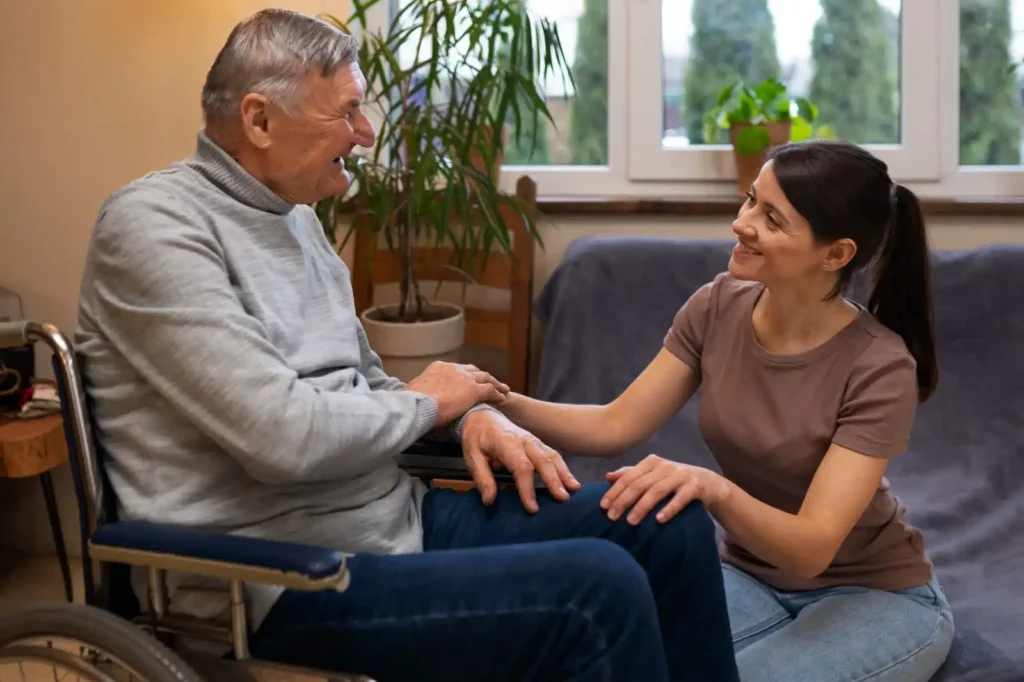
- Checking which household tasks need attention.
- Washing dishes and wiping accessible kitchen surfaces.
- Folding laundry or changing bed linens.
- Tidying commonly used living areas.
- Removing routine clutter from walkways.
- Checking that frequently used belongings remain accessible.
The caregiver should respect the senior’s choices and privacy throughout the visit. Household assistance should be provided in a way that supports dignity and independence rather than making the individual feel that control over their home has been taken away.
Families should also understand that a caregiver may not be able to complete every household task during a single visit. Prioritizing essential chores helps make the available time more useful.
Benefits of Exploring In-Home Support With Elbok
- Personalized assistance: Discuss the household and daily living tasks that have become challenging.
- Comfort at home: Explore support that helps maintain familiar surroundings.
- Family caregiver support: Consider arrangements that help families manage everyday responsibilities.
- Coordinated care options: Ask about combining appropriate household assistance with other available home care services.
- Clear service expectations: Confirm the tasks, schedule, and responsibilities before care begins.
Service availability and eligibility may vary by location and care arrangement. Contact Elbok Home Health Care to discuss your needs and confirm whether light housekeeping is offered in your area.
Frequently Asked Questions About Light Housekeeping for Seniors
1. What is light housekeeping in home care?
Light housekeeping in home care involves routine household tasks such as washing dishes, dusting, folding laundry, changing bed linens, and tidying living areas. These services help maintain a comfortable home environment for individuals who need assistance with everyday chores.
2. What tasks are included in light housekeeping for seniors?
Common tasks include sweeping, vacuuming accessible areas, wiping countertops, washing dishes, doing laundry, making beds, taking out trash, and organizing frequently used belongings. Available tasks depend on the provider and the agreed-upon care plan.
3. How does light housekeeping help seniors stay safe at home?
Light housekeeping can help reduce clutter, maintain clear walkways, and keep frequently used items accessible. These measures may address some household hazards, although additional fall-prevention measures may also be needed.
4. Is light housekeeping different from deep cleaning?
Yes. Light housekeeping focuses on routine chores that maintain everyday cleanliness and organization. Deep cleaning involves more intensive tasks, such as cleaning inside appliances, scrubbing heavy buildup, and reaching difficult areas.
5. Can light housekeeping be combined with personal care?
Some home care providers offer both services. Light housekeeping addresses household tasks, while personal care may involve assistance with bathing, dressing, grooming, and other daily activities. Ask the provider which services can be combined.
6. How often should seniors receive light housekeeping?
The ideal frequency depends on the individual’s mobility, household size, daily routine, and ability to manage chores independently. Some people may benefit from weekly assistance, while others need more frequent support.
7. Does Medicare pay for light housekeeping services?
Original Medicare generally does not cover standalone homemaker services when no qualifying skilled home health care is involved. Limited assistance may be covered under specific eligible arrangements. Families should verify the requirements with Medicare and their provider.
8. Can seniors recovering from surgery benefit from light housekeeping?
Yes. Light housekeeping may help individuals manage routine chores while they recover and have temporary restrictions on lifting, bending, or standing. Tasks should be consistent with their medical instructions and recovery plan.
9. How can I arrange light housekeeping for an elderly parent?
Start by identifying the tasks your parent needs help with, then contact a home care provider to ask about service availability, scheduling, costs, and care planning. Involve your parent in decisions whenever possible to respect their preferences and independence.
10. How do I find light housekeeping services near me?
Search for home care providers in your city or state and ask whether they offer light housekeeping or homemaker assistance for seniors. Confirm the provider’s service area, available tasks, scheduling options, and pricing before making a decision.