

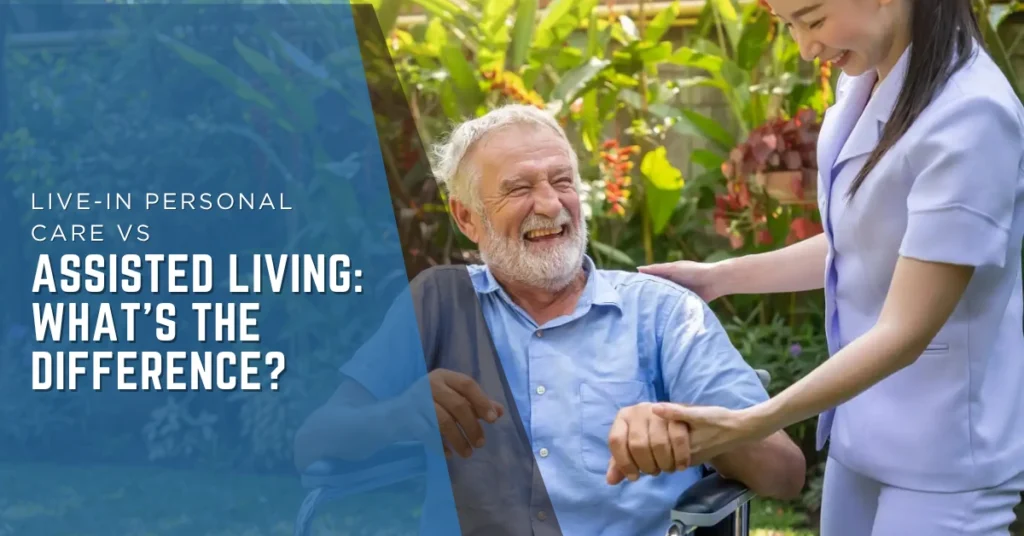
Selecting the appropriate care option for an older parent spouse, partner, or loved one is among the crucial choices a family can make. When someone requires help in daily activities such as mobility, personal care, meals, reminders for medication or companionship routines, families usually look at the personal care provided by a live-in caregiver to assisted living.
If you love one and want to remain in their home, Live-In Care at home could provide the one-on-one assistance your family is searching for without having to relocate in an assisted care facility.
Both options are created to assist older people who require help however, they offer care in distinct environments. Live-in personal care permits the elderly to stay in their home, while receiving individualized assistance, while assisted living demands the resident to be moved into a care facility.
Understanding the distinction between these choices will allow families to decide on the best option in the context of safety, independence and health-related needs as well as preferences, budget and the level of care needed.
What Is Live-In Personal Care?
Personal care that is live-in form of support at home designed for those who require substantial support throughout the day, and still remain in their homes.
A caregiver can provide support at home for the elderly and is able to assist with daily tasks like grooming, bathing and dressing food preparation, toileting cleaning up the house mobility, companionship and other activities that aren’t medical.
The main benefit of living-in private care is that an person doesn’t have to leave their home that they love and know. Instead of adjusting to a new living space the care is arranged to fit into the existing routines habits, preferences, and daily routine.
For those who are looking for live-in care for senior citizens This option could provide a more individualized solution to the residential option, when the senior is able to be at home and receive the appropriate care.
The majority of live-in personal care services are non-medical. Caregivers are able to assist with daily living and routine household chores, however medical issues that require trained nursing professionals or any other medical services could require additional medical experts.
What Is Assisted Living?
Assisted living is a care option in which older adults relocate to a community designed to offer housing and meals, as well as social activities as well as assistance with everyday living.
Residents generally have their own or shared living space, while having access to the personnel and services shared by the entire community. The assisted living community may offer assistance with tasks such as dressing, bathing and dressing for medication, food preparation cleaning, housekeeping, transportation and other social activities.
In contrast to the home-based care system assisted living requires the elderly to move from their current home to the assisted living facility or the community.
Assisted living is a good option for seniors who require an apartment with integrated social interactions and accessibility to a staff. It may also be beneficial in situations where maintaining a secure home environment is challenging or if a person needs the level of care that is hard to offer at home.
Moving to assisted living is a huge lifestyle change. Families need to consider not just the amenities offered but also how this move can impact the comfort of the senior as well as independence, routines and overall well-being.
Live-In Personal Care vs Assisted Living: Key Differences
The most straightforward way to appreciate the distinction is to think about how care is given and how individualized the care is.
In the case of live-in personal care the senior stays within their own home. They receive individual aid in their own home. When assisted living is offered, the elderly enters a residential facility in which care and support is included in the overall community model.
1. Location of Care
Live-in Personal Care: Care is offered within the senior’s home. The senior can be in the company of familiar possessions including friends, memories as well as pets and routines.
Assisted Living: The elderly person is moved into a specialized living community. The setting is designed to accommodate senior living and support services.
For a lot of families, being at home is particularly important as familiarity makes everyday life more relaxed and less stressful.
2. Personalized Attention
Live-in personal assistance can offer high-quality, individualized support since the caregiver interacts directly with a particular household member or.
The routine of care can be designed according to the preferences of the senior. For instance a caregiver could assist in the morning routine, cook preferred meals, be with the senior when they are out, and also provide assistance with household chores.
Assisted living facilities typically serve many residents. Staff members can assist multiple residents during the same shift, which means that care is planned according to the model of staffing for the community as well as timetable.
3. Independence
One of the primary reasons why families think about taking care of themselves at the home is to aid seniors maintain their independence.
Assistance doesn’t have to require giving away control. Caregiver can assist with the more difficult tasks, and let the senior remain in control of their day.
At an assisted living center residents are able to maintain some autonomy However, they are in a regulated residential setting that has community rules, schedules along with shared amenities.
4. Familiar Environment
Home can give you a strong sensation of stability and security.
Seniors who have lived in the same residence for a long time may feel deeply connected to their surroundings. Rooms, photos furniture, neighbors and routines from day to day can all help to create a feeling of belonging.
Live-in care allows you to offer support without altering the living space of the patient.
Assisted living can provide a different setting that could provide comfort and opportunities for social interaction, however the move can require a lot of adjustment.
5. Daily Routines
Through live-in personal care it is possible to incorporate support into the seniors’ routine.
Families may work with a home-care provider to create a customized care plan that is based upon the person’s preferences and needs.
Assisted living usually is characterized by a set schedule for food and activities, transportation, cleaning, and other amenities. These routines are helpful for certain residents, but they may seem less flexible to those who is used to living their life on their own.
What Services Does Live-In Personal Care Provide?
The precise services offered will vary based on the care provider and the person’s plan of care. The most common personal care that is live-in can comprise:
Personal Hygiene Assistance
Caregivers can assist seniors with bathing grooming, dressing and toileting as well as other activities related to personal hygiene.
The task can become more challenging due to age-related mobility limitations, weak points of balance, other difficulties. A reliable aid can help with daily tasks while protecting privacy and dignity.
Mobility Assistance
Caregivers are able to assist in walking, transferring to a new location, adjusting, and navigating the house if these duties are in the caregiver’s realm of care.
Families should discuss their mobility concerns with their healthcare provider, so that a suitable care program can be formulated.
Meal Preparation
A caregiver can cook meals according to the preferences of the elderly and diet guidelines.
Regular meals can help simplify daily life especially for older adults who have trouble shopping for groceries or cooking chores difficult.
Light Housekeeping
Caregivers can assist with the basic chores that are part of the daily life of a senior including cleaning up rooms cleaning, changing linens, laundry and other housekeeping tasks.
The aim is to create a cozy and functional home, rather than offer full-time professional housekeeping services.
Companionship
Social interaction is a key aspect of many plans for home care.
A caregiver could talk to seniors engaging in games or reading taking them on walks if it is appropriate, or taking part in everyday activities and hobbies.
Medication Reminders
Depending on the service offered by the provider and the applicable rules, caregivers could provide reminders for medication or other support for non-medical medications. Medication administration or clinical medication management may require a qualified healthcare professional.
Transportation and Errands
Some home care companies can assist with errands or transportation for example, accompanying seniors on shopping trips or to community events according to the provider’s guidelines.
Is Live-In Personal Care the Same as 24-Hour Home Care?
Not necessarily.
Live-in care typically requires a caregiver to stay at home with scheduled periods of rest and breaks for personal use.
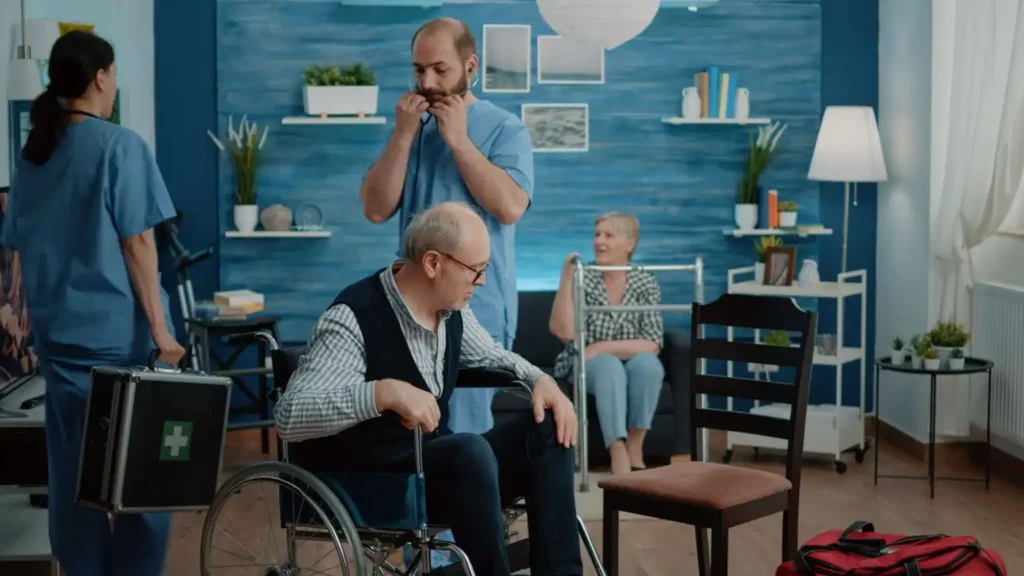
The 24-hour health care system may require multiple caregivers working shifts to ensure continuous care.
Families should ask their home care provider about what the structure of the service is such as expectations for overnight stays sleep arrangements for caregivers breaks, shift schedules, breaks and what happens if the elderly person requires regular nighttime support.
Communication is crucial in deciding on a plan of care.
What Services Does Assisted Living Provide?
Assisted living communities usually include accommodation with support services.
Services can include:
- Shared or private residential accommodation
- Daily meals
- Housekeeping
- Laundry
- Personal care assistance
- Services related to medication
- Recreation and social activities
- Transportation
- Common zones
- Wellness programs
- The staff on site is available according to the operating model of the community.
The exact costs for services differ among assisted living facilities So, families must carefully look over what’s part of the month-long costs and the services that result in extra charges.
Which Option Provides More One-on-One Care?
If you have a family that is looking for individualized support, live-in personal care is a viable alternative.
Because the care takes place within the person’s home and services are centered on the needs of one individual instead of a wider residential population.
As an example, a caregiver might help an elderly person get up in the morning, cook breakfast, aid in personal care, help with family routines, give assistance, and aid the person to maintain their routine.
Assisted living may also offer personal care, however the caregivers typically provide care to multiple residents. The amount of individual attention is dependent on the level of staffing as well as the requirements of the residents, and the specific neighborhood.
When looking at providers, families must be sure to ask specific questions regarding caregiver availability as well as staffing arrangements, overnight arrangements or emergency procedures, care plan formulation, and how any the changing needs of caregivers are dealt with.
Ready to Find the Right Care Solution for Your Loved One?
Contact us today to schedule a free consultation and discover how our in-home care services can help your loved one live confidently and comfortably in the place they call home.
Who May Benefit From Live-In Personal Care?
Live-in care at home may be a suitable option for seniors who prefer to remain at home while receiving personalized assistance and companionship.
It can support individuals who need help with daily activities, personal hygiene, meal preparation, household routines, mobility, established routines, or medication reminders.
It may also provide valuable support when family caregivers need additional assistance. The right care option depends on each person’s needs, preferences, and safety, and a professional assessment can help determine whether home-based care is appropriate.
Who May Benefit From Assisted Living?
Assisted living isn’t exactly the same as a skilled-nursing facility. Seniors with a variety of medical or clinical issues may require a different type of care.

Assisted living might be an option for those who:
- Do you want a neighborhood community
- Enjoy structured social activities
- You require regular help with your daily tasks
- Have trouble keeping their current residence
- You would prefer having food and services in one place
- Are likely to benefit from accessing community-based services
- Do you require a home specially designed for older adults
- Are in need of care that can be handled safely within an assisted living facility
Cost Considerations: Live-In Care vs Assisted Living
Cost is a key element in any elder care choice.
The cost for live-in personal care may vary dependent on factors like the hours of care, the arrangement of caregivers as well as the degree of assistance required as well as the location, needs for care and the pricing of the service provider.
The cost of assisted living may differ significantly based on geographical area, apartment type and services offered, the level of assistance, facilities and any additional charges.
Families shouldn’t be comparing just the advertised price per month. Instead, find out what the advertised price actually comprises.
For care that is live-in, ask whether the cost includes personal care food, companionship, meals housekeeping, transportation, night arrangements, care coordination and any other services you require.
For assisted living, inquire about the cost of meals, rent and personal care, medical services transport, housekeeping utility bills, community fees and other charges for more advanced levels of care.
A thorough comparison can help families comprehend the real price of each choice.
Benefits of Choosing Live-In Personal Care at Home
If you’re the right person living-in care could provide numerous benefits.
Stay in a Familiar Home
Your loved ones can remain in the community they’re comfortable with instead of having to move into a retirement community.
Personalized Support
The care plan can be adapted to the individual’s routine, preferences, and needs for care.
Greater Family Peace of Mind
Being aware that a trusted caregiver is readily available to provide help can alleviate some of the anxiety families face when they can’t stay with their love ones all the time.
Support for Daily Independence
The caregiver can aid with difficult tasks while giving the senior the opportunity to participate in aspects of everyday activities they can be able to manage on their own.
Companionship
A regular interaction with your caregiver can to make everyday life more enjoyable and create a an important social interaction.
Flexible Care Planning
Home care plans are often able to be modified as the needs evolve according to the care and services of the provider as well as their the scope of care.
When Live-In Personal Care May Not Be Enough
Although home care is an a great option for many older adults however, it’s not the best choice for all circumstances.
Seniors may require a greater level of medical supervision and skilled nursing. They may also require frequent medical intervention, specially-designed equipment, or ongoing personal care that is not effectively provided by non-medical personal assistance.
In such situations, the family must speak to the individual’s health professionals and their care providers to determine the right amount of care.
Home care professionals should revise care plans when changes in the requirements of a person.
The objective is not just to make sure that the person stays in their home all the time. The aim is to develop an appropriate, secure and sustainable plan for care which is based on the individual’s needs and desires.
Questions to Ask a Live-In Personal Care Provider
Before choosing a provider families should inquire about:
- What are the services included in the live-in care of a personal assistant?
- How can you determine the needs of a senior’s caregiver?
- How do caregivers get matched to clients?
- What happens if the designated caregiver isn’t available?
- How can we handle the need for overnight stays?
- Are caregivers certified in mobility and personal care?
- How often is the plan of care reviewed?
- Care hours or the services alter as requirements change?
- What kinds of services are considered medically not necessary?
- What can the family be in touch directly with care staff?
- Do background checks or screenings being conducted?
- What can families anticipate regarding the cost of services and other fees?
The answers to these questions will aid you in making an informed decision and choose the best service that meets the needs of your family.
Why Choose Elbok Home Health Care for Live-In Personal Care?
Choosing between live-in personal care and assisted living is an important decision, and every family deserves care options that are based on their loved one’s individual needs. At Elbok Home Health Care, we provide personalized in-home support designed to help seniors remain comfortable and independent in familiar surroundings.
Our caregivers can assist with personal care, daily routines, companionship, meal preparation, light housekeeping, mobility support, and other non-medical activities based on an individualized care plan.
For families considering an alternative to assisted living, our live-in personal care services can provide dependable support without requiring a loved one to leave their home. We take the time to understand each client’s preferences, routines, and goals so care feels personal rather than one-size-fits-all.
Whether your family needs ongoing assistance or additional support to make home living more manageable, Elbok Home Health Care is here to help.
How Our Home Care Services Can Help
The decision to care for a loved one’s health shouldn’t be a burden. Our team of home care workers work with families and seniors to assess their individual needs and create individualized care that is suited to the individual’s daily routine.
Our services could include individual assistance with care, companionship, meals preparation as well as simple housekeeping, mobility assistance medications reminders, respite assistance as well as other non-medical home-based services that are based upon the needs of the person and the options available in your local area.
We provide reliable, respectful care to help seniors stay as secure and independent as they can in their home.
If you’re comparing live-in personal care and assisted living Our team will assist you in understanding your choices and decide if in-home assistance is a good option for the loved one you love.
Take the Next Step Toward Personalized Senior Care
Your loved one deserves a care that is respectful of their values and preferences, routines, and their independence.
If staying in your home is a priority for your family members, a live-in personal care can provide the support your loved one requires without the need for a transition into assisted living.
Contact our home care team now to discuss the needs of your loved one and request a customized consultation with us about care. We can help you evaluate the available home services, identify the appropriate services and then take the next step towards developing a care plan that is supportive.
Contact us today to make an appointment to find out more about our live-in personalized care for senior citizens.
Frequently Asked Questions About Live-In Personal Care vs Assisted Living
1. What is the major distinction between live-in personal care or assisted living?
The major difference is the manner in which the care is offered. Personal care in a live-in setting lets a senior remain in their home and continue receiving individualized support. Assisted living requires a senior to move into a community, where meals, housing and activities as well as health services are offered.
2. Does live-in personal assistance offer more benefits then assisted-living?
The two options are not necessarily superior to each other. The best choice is contingent on the individual’s health as well as safety, preferences as well as their needs for care as well as budget and the living conditions. Seniors who prefer to remain at in their home might benefit from considering the possibility of living-in personal care.
3. Are seniors able to remain independent through live-in assistance?
Yes. Personal care’s purpose is to aid in activities that are becoming difficult and allow the elderly to remain involved in decisions and activities that they can comfortably manage.
4. Does live-in personal care include medical care?
The majority of live-in personal care services are not medical. It can include assistance with personal needs as well as companionship, meals homekeeping, mobility assistance. Seniors who require medical attention might require additional assistance provided by trained medical experts.
5. Is live-in care available overnight?
Based on the service company, the live-in arrangement could include overnight stay, however parents should inquire specifically about nighttime sleep schedules, coverage break for caregivers, the need for nighttime help are dealt with.
6. What do I do to determine if my parent is in need of assisted living or home care?
Begin by looking at your parent’s daily routine such as safety mobility, mobility, medical requirements or preferences for social interaction, as well as the ability to live at home. An assessment by a professional can determine if the home-based option is suitable for your parent.
7. Are home care services able to change in the event that my loved one's needs change?
Many home care agencies can modify care plans when the needs of a patient alter, based on the scope of services provided by the provider. It is crucial to periodically review the care plan to ensure that the care plan is appropriate.
8. How much will live-in personal assistance cost?
Costs differ based on the location, needs for care as well as caregiver arrangements and hours of service and the pricing of the provider. Families should ask for a full quote and check the specifics of what’s included prior to making a final decision.
9. Live-in care can help caregivers of the family?
Yes. Homecare professionals can be a valuable addition to the caregiving of a family member by offering assistance for family members who are travelling, resting, or simply not present.
10. How do I begin by utilizing live-in personal care?
It is the first thing to call a trusted home care provider and discuss the needs of your loved one. A consultation or assessment will allow you to determine what kind of care is needed and whether personal care with a live-in caregiver is the best option.