

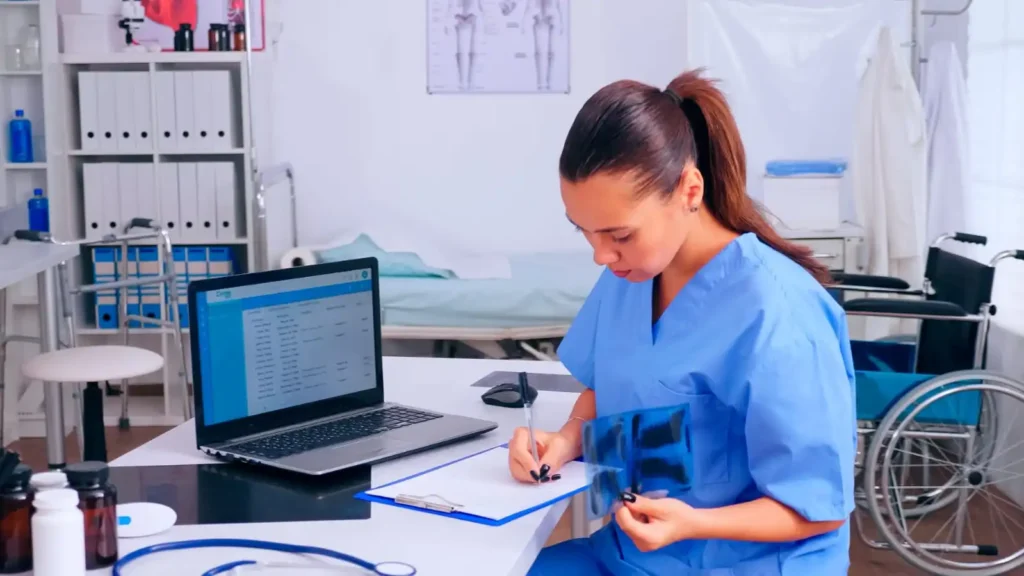
Everyone wishes for the loved ones of theirs to stay at peace, secure and independent throughout the length of time they can. But, age illnesses, disabilities or recuperation after surgeries can make daily tasks challenging without help. Simple tasks such as washing, dressing, cooking meals and moving around the house can become difficult. This is the reason personal health services play a crucial role.
In the Elbok Home Health Care We understand that every individual deserves the support of a caring person while conserving the dignity of their lives and autonomy. Our skilled caregivers offer individualized support that allows older adults and seniors live comfortably in their home. If someone requires only a few hours of help every week or daily help Personal care services can improve the quality of life and give families peace of assurance.
If you’re unsure if personal care is right for you or someone you care about This guide provides the essential information you must know, from what they offer to the point at which they become required as well as how they could ease the burden for families and individuals throughout America. United States.
What Are Personal Care Services?
Services for personal care are home-based non-medical care services that are designed to assist people complete daily tasks that they are unable to be able to safely or comfortably independently. In contrast to skilled nursing that focuses on aiding with everyday tasks while promoting independence as often as is it is possible.
They are delivered by skilled caregivers who know how to help their clients with compassion, understanding and respect. Their aim isn’t to take away independence, but rather to make life easier healthier, more comfortable, and satisfying.
Personal care helps people with disabilities, seniors and those recovering from surgery or illness to stay in familiar surroundings, rather than having to move into a nursing or assisted-living facility.
One of the most trusted providers of healthcare services for home-based patients across the United States, Elbok Home Health Care develops customized treatment plans based on each patient’s physical state, preferences, and their daily routine.
Understanding Personal Care Services at Home
Care at home is a way for patients to remain in touch with their loved ones, family members and friends while taking pleasure in the familiarity of their own home.
Instead of adjusting to a new location Professional caregivers provide their services directly to the patient.
Personal care often includes support with:
- Personal hygiene and bathing
- Grooming and dressing
- Toileting assistance
- Support for mobility
- Assistance with walking
- Transferring between chair and bed
- Preparing the meal
- Help with feeding
- Reminders for medication
- Light housekeeping
- Laundry
- Grocery shopping
- Transport to appointments
- Companionship
- Monitoring of safety
Each plan of care is customized since each individual’s requirements differ. Some clients might only need assistance with bathing once a week, while others require all-day support with multiple daily tasks.
Why Personal Care Services Are So Important
A lot of people put off seeking assistance due to fear of losing their independence.
In fact the reality is that professional personal assistance aids people to remain in their homes longer.
Instead of fumbling with tasks that could lead to accidents or falls, residents receive the assistance they require to remain safe at home.
Personal care services can reduce the stress of family caregivers who have to balance work, kids and caring for their aging parents.
The most significant benefits are:
Greater Independence
Caregivers help clients complete tasks they’re competent to complete while offering assistance only when it is necessary.
This method builds confidence and helps maintain physical capabilities.
Improved Safety
Falls are among the main causes of injuries in older adults.
Professional caregivers reduce falls by providing assistance with transfers, walking bathing, and climbing steps.
Better Personal Hygiene
Healthful habits of hygiene are essential for physical and mental well-being.
Caregivers offer respectful assistance in grooming, bathing and dental care, and dressing while maintaining dignity.
Better Nutrition
It can be challenging to prepare healthy meals for many older adults.
Personal caregivers assist in planning healthy meals, prepare meals, and promote the proper intake of water.
Emotional Well-Being
The loneliness of millions of seniors.
Conversations with friends regularly provide emotional and physical help that helps reduce feelings of loneliness.
Peace of Mind for Families
Being aware that a skilled caregiver is supporting an individual helps family members concentrate on having fun together instead of stressing about.
What Services Are Included in Personal Care?
While care needs vary from person to person, Personal Care Services can provide comprehensive assistance with daily living activities. Support may include bathing, grooming, dressing, toileting, feeding, mobility, transfers, and other essential routines—helping individuals live more comfortably, safely, and independently at home.
Personal Hygiene Assistance
It is becoming increasingly difficult to maintain cleanliness for those with limited mobility.
Caregivers help by:
- Bathing
- Sponge baths
- Washing hair
- Skin care
- Oral hygiene
- Nail care
- Shaving
- Grooming
These services lower the risk of infections and help clients feel more at ease and secure.
Dressing Assistance
The process of choosing clothing and dressing can be physically demanding due to weakening muscles, Parkinson’s disease or issues with balance.
Professional caregivers can assist in the following areas:
- Picking appropriate clothes for the weather
- Dressing safely
- Fastening buttons
- Slippers on
- Compression stockings
- Clothing that is adaptable
Toileting and Incontinence Care
Many older adults require assistance when it comes to toileting.
Caregivers offer respectful assistance by:
- Bathroom transfers
- Personal hygiene
- Change protective clothing
- Care for incontinence
- Skin protection
This helps protect your dignity while also preventing infections and skin irritation.
Mobility Assistance
A safe and secure home is crucial to avoid injuries.
Caregivers help clients with:
- Walking
- Standing
- Sitting
- In the bed
- Transfers for wheelchairs
- Stair assistance
Mobility aids in independence and helping to reduce the risk of falling.
Meal Preparation
Dietary health is crucial to keeping your strength and overall health.
Caregivers aid in the following areas:
- Plan your meals
- Grocery shopping
- Cooking
- Special dietary needs
- Assistance with feeding
- Hydration reminders
- Kitchen cleanup
Dietary meals that are nutritious support the recovery process of chronic diseases, and healthy ageing.
Medication Reminders
While caregivers typically do not give medications unless they are authorized to do so They can offer reminders to keep clients on track.
This decreases the chance of the chance of missing doses and improves outcomes for health.
Light Housekeeping
Cleanliness in the home is a major factor for security and peace of mind.
Caregivers help in the following ways:
- Laundry
- Vacuuming
- Dusting
- Washing dishes
- Making beds
- Living spaces that are organized
- Cleaning up trash
Cleaning up the house helps reduce the risk of accidents while creating an environment that is healthier.
Transportation Assistance
Many seniors stop driving, but they still require access to healthcare and social activities.
Caregivers could assist with transport to:
- Medical appointments
- Physical therapy
- Grocery stores
- The services of the church
- Family gatherings
- Community activities
Keeping social connections in place improves physical and emotional well-being.
Companionship
The most beneficial aspects of senior care is the companionship.
Caregivers are often trusted family members who offer:
- Conversations with friends
- Reading with others
- Board games
- Walks
- Hobbies
- You can watch your favorite shows
- Emotional support
Social involvement can help decrease depression and cognitive decline.
How Personal Care Supports Independent Living at Home
Personal care can do more than assist with everyday tasks—it can help individuals maintain confidence, dignity, and independence in the place they know best.
From bathing and grooming to dressing, mobility, and daily routines, the right support encourages individuals to stay involved in their care while receiving help where needed.
Learn more about how personal care supports independent living at home and discover how personalized assistance can make home life safer and more comfortable.
Who Can Benefit from Personal Care Services?
Personal care is not just for the elderly.
A large number of people across all generations benefit from professional help.
Older Adults Aging at Home
Many senior citizens want to remain at home instead of moving into assisted living facilities.
Personal care helps them keep their independence and receive the help they require.
Individuals Recovering After Surgery
The recovery process is based on procedures such as:
- Replacement of the hip
- Knee replacement
- Heart surgery
- Back surgery
could temporarily restrict mobility temporarily.
Caregivers offer assistance until independence is restored.
Individuals Living with Disabilities
People who have physical or developmental disabilities typically need assistance in daily living which promotes independence while respecting the individual’s goals.
People Managing Chronic Illness
Conditions that include:
- Arthritis
- COPD
- Diabetes
- Heart disease
- Multiple Sclerosis
The daily routine can become increasingly challenging.
Personal caregivers assist individuals in maintaining routines that enhance the quality of life and health.
Individuals with Dementia or Alzheimer’s Disease
Memory loss can impact the judgment of a person, their safety, as well as everyday routines.
Caregivers offer consistent assistance with personal hygiene and meals, reminders for medication and supervision. They also help reduce anxiety and confusion.
Family Caregivers Who Need Support
Family members can become primary caregivers in the middle of the night.
Home care professionals provide peace of mind and ensures loved ones are receiving the best care.
If care is required for just a few hours per week or daily professional caregivers help decrease burnout among caregivers and enhance the well-being of families.
Signs Someone May Need Personal Care Services

Being aware of the signs early can aid families in arranging support before an emergency occurs. Although every situation is unique but there are some frequent indicators that suggest someone you love could be able to benefit from personal care in their home.
Look out for changes such as:
- Problems to bathe or maintain personal hygiene
- The same outfit for a few days
- Trouble preparing healthy meals
- Unexplained loss of weight or loss of water weight
- A lot of falls, or balance issues
- It is difficult to get in and out of chairs or beds
- Medicines not taken
- An increasing amount of forgetfulness
- Unsafe or messy living space
- Refraining from family, friends or your favorite activities
- Tiredness after performing simple everyday tasks
Ahead of time, addressing these concerns with professionals house care assistance can prevent injuries, hospitalizations, as well as unnecessary stress for both the clients or their family members.
Why Families Across the USA Choose Elbok Home Health Care
When you are taking care of loved ones trust and compassion are essential. Here at the Elbok Home Health Care our skilled caregivers offer consistent,
Personal care in the home which allows patients to be secure, comfortable and secure in the space they consider to be their home.
We work with every family member to create a custom treatment plan that is based on the patient’s health requirements as well as lifestyle and preferences.
If you require short-term assistance for recovery or assistance with your daily activities Our team of professionals is dedicated to providing reliable caring and compassionate care that will improve your the quality of your life.
When Are Personal Care Services Needed?
Each person has their own needs, which is why there’s no specific “right time” to begin the process of personal medical treatment. However, there are a variety of situations in which professional help can help make your life more secure and less stress-inducing.
After a Hospital Stay
Relocating home following an operation, illness, or hospitalization may be physically challenging. Even the simplest tasks can feel exhausting in the process of recovering.
Personal care services assist clients by supplying:
- Assistance in bathing and dressing
- Preparation for meals
- Reminders for medication
- Support for mobility
- Light housekeeping
- Transportation for follow-up appointments
This reduces the chance of complications and allows patients to concentrate on healing from the comfort of their own home.
When Mobility Becomes Limited
Ailments like osteoporosis and arthritis, Parkinson’s disease or muscles that are weak can make walking or moving about the home more difficult.
Caregivers aid in the following ways:
- Walking safely
- Getting in and out of bed
- Chair transfers
- Stair navigation
- Preventing falls
- Exercises every day as recommended by health care professionals
The improved mobility supports help people keep active and decreases the risk of injury.
When Personal Hygiene Becomes Challenging
Many senior citizens struggle quietly when it comes to grooming or bathing, because they fear falling, or have the strength to perform these tasks independently.
Professional caregivers offer respectful assistance by:
- Bathing
- Shampooing your hair
- Grooming
- Oral hygiene
- Dressing
- Skin care
The practice of maintaining a clean and healthy lifestyle not only enhances comfort, but it also helps to prevent skin infections, infections and other health problems.
During Chronic Illness Management
Chronic health issues can affect physical and energy levels.
Patients diagnosed with:
- Diabetes
- COPD
- Heart disease
- Recovery from a stroke
- Multiple Sclerosis
- Arthritis
It is possible that you require help with routine activities, while coping with symptoms.
Personal care services can make daily life easier and less stressful without affecting routines.
When Memory Loss Begins Affecting Daily Life
Memory disorders like Alzheimer’s disease, or other forms of dementia pose special challenges for individuals as well as their family members.
Caregivers have structured routines which include:
- Personal Hygiene Assistance
- Reminders for medication
- Preparation for meals
- Security supervision
- Companionship
- Daily activity help
Regular routines help reduce confusion, and help individuals remain independent for as long as they can.
When Family Caregivers Need Additional Support
Many family caregivers manage careers as well as children and household duties while taking care of the elderly parents.
In time, this may result in physical exhaustion and emotional exhaustion.
Professional caregivers provide a valuable restorative care that allows families to
- Be on time to work
- Recharge and rest
- Travel as needed
- Handle personal responsibilities
- Spend time with your loved ones rather than focusing on caring for your family
Family caregivers’ support can enhance the level of care that everyone receives.
How Personal Care Services Promote Independence
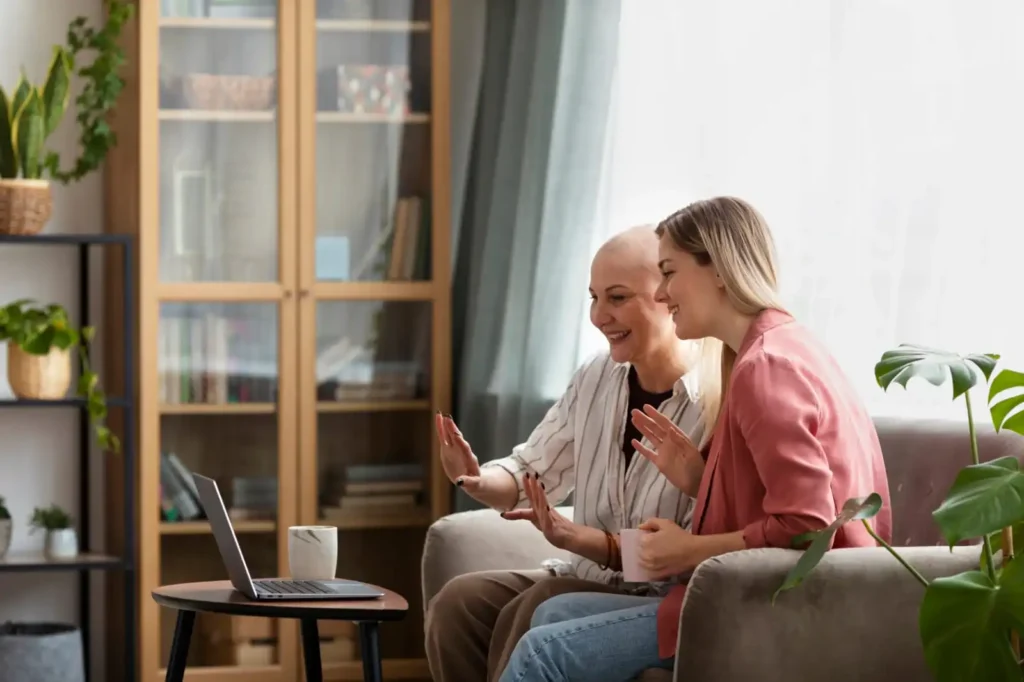
A popular mistake one of the most common misconceptions is that accepting help implies abandoning the freedom to do what you want.
In the real world professionals are trained to help clients to participate in as many activities as they are able to safely do and provide assistance only when they are required.
Instead of taking over daily routines, caregivers aid people maintain their confidence and stay active in their daily routines.
This method often results in:
- Improved self-esteem
- Physical mobility and better
- Better emotional health
- Greater confidence
- Less dependency on relatives
The maintenance of independence is among the most important goals of good home care.
Benefits of Receiving Care at Home
The option of personal care at home can provide benefits that go well beyond the comfort.
Familiar Environment
Staying at home gives you an emotional security that cannot be duplicated in a foreign environment.
Clients are able to stay in touch with:
- Family
- Friends
- Neighbors
- Pets
- Your most treasured possessions
- Community-based activities
This can contribute to a better emotional state.
Personalized One-on-One Attention
In contrast to institutional settings, in which caregivers split attention between the residents, homes provide an individualized support.
Each visit is focused entirely on the individual client’s desires and needs.
Flexible Scheduling
Personal care services are tailored to the family’s requirements.
Common choices for scheduling include:
- A few hours a week
- Everyday visits
- Morning care
- Evening care
- Assistance at night
- Weekend support
- 24/7-hour support
This allows clients to get the right amount of help without having to pay for services that aren’t needed.
Enhanced Safety
In the home, there are risks that aren’t expected for people who are unable to move.
Professionally trained caregivers can help lower risks through:
- Eliminating the dangers of tripping
- Monitoring mobility
- Assisting with transfers
- Encouragement of appropriate utilization of devices for mobility
- It is important to keep frequently needed items in reach
These preventive measures drastically reduce the chance of falling and injuries.
Emotional Support and Companionship
Physical assistance is just one aspect of high-quality care.
Companionship can provide emotional benefits by:
- Conversations that are meaningful
- Sharing interests
- Reading with others
- Walking outdoors
- Games to play
- Birthday celebrations and holidays
- Encouraging social engagement
Reduced loneliness is a key factor in improving mental and emotional well-being.
Creating a Personalized Care Plan
There are no two clients with the same requirements, which is the reason the creation of individualized care plans is crucial.
Before the care can begin an extensive assessment is conducted to determine:
- Physical capabilities
- Medical background
- Limitations in mobility
- Dietary preferences
- Daily routines
- Personal goals
- Family expectations
- Security issues at home
Based on the information provided the caregivers create a custom program that is adapted according to the changing needs of the client.
Plans for care may consist of:
- Morning care routines
- Evening assistance
- Planning meals
- Exercise encouragement
- Transportation scheduling
- Housing assistance
- Activities to support companionship
Regular evaluations assure that services are in line with the ever-changing needs of the client.
Conditions That Commonly Benefit from Personal Care Services
A personal touch can make a difference in daily life for those living with various ailments, such as:
Arthritis
Assistance in bathing, dressing cooking, dressing and mobility reduces discomfort and energy consumption.
Parkinson's Disease
Caregivers help with balance mobility, food preparation, and routines which become more challenging as the symptoms worsen.
Stroke Recovery
After a stroke, a lot of people require assistance with walking and dressing, eating and personal hygiene as they rebuild their strength.
Alzheimer's Disease and Dementia
Regular caregivers establish routines that ease anxiety and ensure that clients feel safe.
Heart Disease
Everyday assistance helps reduce physical strain, while encouraging good habits and medication use.
COPD and Respiratory Conditions
Caregivers aid clients to conserve energy by helping them with physical demanding household chores as well as personal care.
Supporting Families Through Every Stage of Care
The benefits of personal care services go beyond just the individual client, but the whole family. If loved ones are aware that a qualified caregiver will be there to provide reliable assistance they can have tranquility and spend time enjoying meaningful moments with each other instead of stressing about the daily chores.
We at Heart One Home Health Care We believe that caregiving should be an ongoing partnership. We are open with families, and adjust care plans when demands change, and aim to provide dependable, compassionate care that improves wellbeing and independence.
If your loved one requires emergency assistance following surgery, ongoing assistance with everyday living, or special assistance to help with aging-related issues Our caregivers are committed to providing care with respect as well as respect and compassion.
How to Choose the Right Personal Care Provider
Each home care provider can provide the same level of care. It is important to consider your options can ensure that your loved one receives reliable and compassionate care that is tailored to meet their specific needs.
Here are some factors to take into consideration when choosing the right service.
Experienced and Compassionate Caregivers
A caregiver should have more than just technical expertise. They should be able to demonstrate compassion, kindness and compassion.
Find caregivers who
- Have been professionally educated
- Have worked working with adults and seniors who require assistance
- Be respectful when communicating
- Encourage independence
- Respect every client with respect
- Create trusting relationships
Caring caregivers who are compassionate can be an integral element of a client’s everyday life.
Personalized Care Plans
Each person is unique in their health concerns, routines and needs.
Select a service that offers specific care plans for each client instead of offering the same service to every customer.
Individualized care can consist of:
- Morning routines
- Evening assistance
- Preparation for meals
- Support for mobility
- Transportation
- Companionship
- Assistance for household needs
- Specialized care needs
The personalized services will ensure that customers receive the support they really require.
Flexible Scheduling
The needs of people change with time.
A reputable provider should be able to provide flexible schedules, including:
- Hourly care
- Everyday visits
- Weekly assistance
- Overnight care
- The weekend care
- Live-in care
- Support is available 24 hours a day
This flexibility lets families modify their care as health issues change.
Communication with Families
Communication is essential to keep families in touch and secure.
A reliable home care provider must:
- Share care updates
- Discuss changes in health
- Respond quickly to any questions
- Care plans should be reviewed regularly.
- Be a part of a team with family members.
A strong communication system builds trust and increases overall service.
Safety-Focused Care
Security must always be a top priority.
Professionally trained caregivers can help lower risks through:
- Monitoring mobility
- Preventing falls
- Maintaining clear pathways
- Promoting regular hydration
- Be aware of changes in the conditions
- Reporting concerns quickly
These proactive measures allow clients to stay safe at home.
What to Expect During the First Personal Care Visit
The first time you start with home care is an important stage, but the first appointment is designed to be pleasant and relaxing for the family members as well as the clients.
In the Elbok Home Health Care the process begins by meeting with the patient–not only their health requirements as well as their preferences, lifestyle, and aspirations.
In the initial visit, caregivers are typically:
- Introduce themselves and establish relationships
- Review the customized care plan
- Examine the surroundings of your home to ensure security
- Learn about the daily routine of the client
- Discuss preferred schedules
- Assist in the immediate care of personal requirements
- Respond to questions of family members
The first visit is the foundation of a trusting and long-term caregiving partnership.
Why Families Across the USA Trust Elbok Home Health Care
Families select to choose Elbok home health care because we recognize that every patient deserves a an understanding, compassionate and reliable care.
Our philosophy is focused on maintaining independence, while offering the assistance required to live a better standard of life.
We are proud to offer:
- Professional caregivers with compassion
- Customized care plans
- Flexible scheduling options
- Assistance with daily activities
- Support for mobility
- Personal Hygiene Assistance
- Preparing the meal
- Reminders for medication
- Light housekeeping
- Companionship
- Communication with family members
- Reliable home care services
If your loved one requires an emergency medical assistance following surgery or personal assistance for their needs Our team is committed to providing superior services that families can count on.
Frequently Asked Questions
Find quick answers about personal care services, daily assistance, caregiver support, and personalized care options. Explore our Personal Care FAQs to learn more about choosing the right care for you or your loved one.
1. What are personal care services?
Personal care is a non-medical home-based services that aid people with their daily tasks like dressing, bathing grooming, eating assistance with mobility, medication reminders and companionship, allowing them to remain at home.
2. Who needs personal care services?
These services help older adults, those with disabilities, patients who are recovering from surgeries, people dealing with chronic illnesses as well as anyone who requires assistance with the activities of daily living, while remaining at home.
3. What's the difference between personal care and home health care?
Personal care is a non-medical support for everyday tasks, whereas healthcare at home offers medical services like professional nursing and wound treatment therapy, and the management of diseases recommended by a medical professional.
4. Can personal care services be customized?
Yes. Every client is provided with a customized health plan that is that is based on their health and life style, routine goals, as well as the amount of care they need.
5. Can caregivers help with meal preparation?
Absolutely. Caregivers help in grocery shopping and meal planning, making healthy foods, serving the food and encouraging proper hydration in accordance to the dietary requirements.
6. Do personal care services include companionship?
Yes. The importance of companionship is part of taking care of one’s own needs. Caregivers facilitate the opportunity for conversation, emotional support, recreation as well as social interaction to help reduce loneliness and enhance general well-being.
7. How often can personal care services be scheduled?
Services are very flexible. According to the needs of each individual it is possible to schedule care for a few hours per week, weekly visits, night assistance, weekend assistance, live-in support or 24 hours of care.
8. Can personal care services help individuals with dementia?
Yes. Professional caregivers help people with Alzheimer’s disease or other types of dementia. They provide a structured routine that include supervision, personal hygiene support food preparation, assistance with meals, and monitoring of safety.
9. How do I know if my loved one needs personal care services?
It is evident when someone has problems with getting dressed, bathing or cooking, remembering to take medications frequent falls in inadequate hygiene weight loss, more isolation, or having trouble getting around safely in the home. Early intervention can increase the safety and living quality.
10. Why should I choose Elbok Home Health Care?
Elbok Home Health Care offers a warm, personal health services at home that are delivered by highly skilled caregivers. We are focused on maintaining autonomy, ensuring safety and assisting families by providing high-quality, reliable services that are customized to meet the individual requirements.