

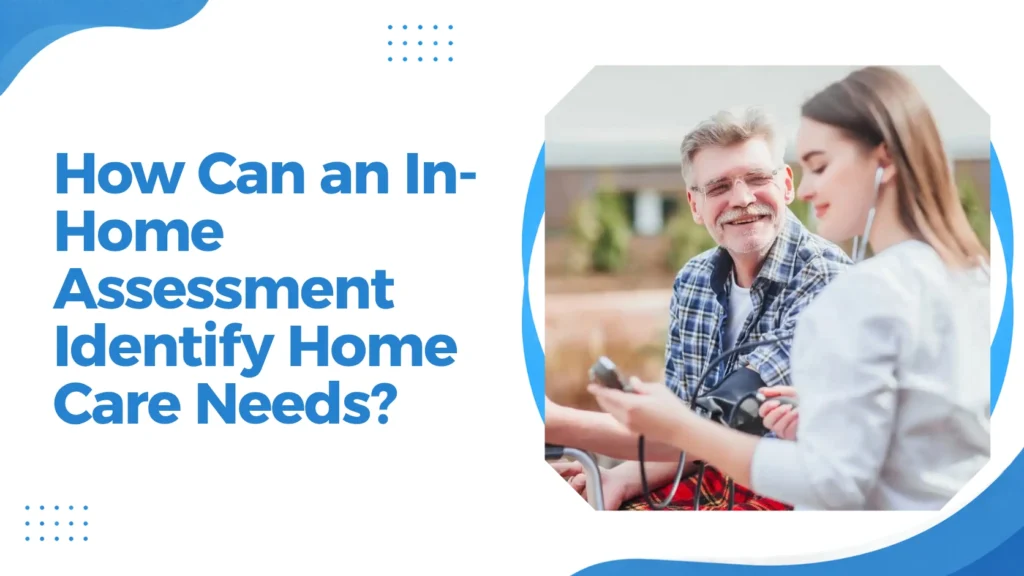
When an older adult, recovering patient, or person living with a chronic health condition begins having difficulty managing everyday activities, it can be challenging for families to determine exactly what type of support is needed. Some people may need help with bathing and grooming, while others may require medication reminders, mobility assistance, meal preparation, companionship, or skilled nursing support. An in-home assessment can help identify these needs by evaluating a person’s daily routine, safety, health-related challenges, and ability to live independently at home.
An in-home assessment looks at the individual and their home environment together. Rather than focusing only on a diagnosis or medical condition, the assessment considers how a person’s health affects their ability to complete everyday tasks safely and comfortably.
For families considering home health care in the USA, an in-home assessment can be an important first step toward developing an appropriate care plan. At Elbok Home Health Care, personalized care begins with understanding each person’s situation, preferences, routines, and support requirements.
What Is an In-Home Assessment?
An in-home assessment is an evaluation conducted in a person’s home to understand their current care needs. Depending on the provider and the person’s circumstances, the assessment may review physical abilities, daily activities, medication routines, mobility, nutrition, home safety, social needs, and other factors affecting independence.
The purpose is not simply to determine whether someone needs care. It is to identify what kind of care is needed, how frequently support may be required, and which areas of daily living require assistance.
An assessment may be useful for:
- Older adults who want to remain at home
- Individuals recovering after surgery or hospitalization
- People living with chronic health conditions
- Adults experiencing changes in mobility
- Individuals who need assistance with personal care
- People who have difficulty managing household activities
- Families concerned about a loved one’s safety
- Individuals who need additional support while a family caregiver is unavailable
A professional assessment can give families a clearer picture of the person’s current abilities and help them make informed decisions about home care.
Why Is an In-Home Assessment Important?
Every person’s care needs are different. Two individuals with the same medical condition may require completely different levels of assistance.
For example, one older adult may be able to bathe, dress, prepare meals, and take medications independently but need help with transportation and housekeeping. Another person may require hands-on assistance with bathing, dressing, mobility, toileting, and medication reminders.
An in-home assessment helps identify these differences.
1. It Identifies Activities of Daily Living
One of the most important parts of an assessment is evaluating activities of daily living, commonly called ADLs.
These activities may include:
- Bathing
- Dressing
- Grooming
- Toileting
- Eating
- Moving around the home
- Getting in and out of bed
- Transferring between chairs and other surfaces
If a person struggles with one or more of these activities, an appropriate home care plan can be developed around those needs.
2. It Identifies Instrumental Activities of Daily Living
An assessment may also consider instrumental activities of daily living, or IADLs. These are activities that support independent living.
They may include:
- Preparing meals
- Grocery shopping
- Managing household tasks
- Laundry
- Transportation
- Organizing appointments
- Managing medications
- Handling everyday communication
- Maintaining a safe and organized home
Difficulty with IADLs can sometimes be an early indication that additional support could help a person remain safely at home.
3. It Evaluates Home Safety
A person’s home environment can influence their risk of falls and other accidents.
During an in-home assessment, potential safety concerns may include:
- Loose rugs
- Cluttered walkways
- Poor lighting
- Stairs
- Bathroom hazards
- Difficulty accessing frequently used items
- Unsafe furniture arrangements
- Lack of appropriate mobility support
Identifying these issues can help families consider practical changes that may make the home safer.
Who Can Benefit From an In-Home Assessment?
Seniors, individuals recovering from surgery, people with chronic conditions, and those experiencing mobility or daily living challenges can benefit from an in-home assessment.

Seniors Aging at Home
Older adults who want to remain in familiar surroundings may benefit from an evaluation of their current abilities and home environment.
People Recovering From Surgery
After surgery or hospitalization, everyday activities may temporarily become more difficult. An assessment can help identify where assistance may be useful during recovery.
Individuals With Chronic Conditions
People living with ongoing health conditions may experience changing care needs over time. Regularly reviewing those needs can help families adjust support.
People With Mobility Challenges
If walking, transferring, bathing, or moving around the home has become difficult, an assessment can identify areas requiring additional assistance.
Family Caregivers
Family caregivers may also benefit from an assessment. It can help clarify what tasks need to be handled and where professional home care support may reduce caregiver responsibilities.
What Does an In-Home Assessment Evaluate?
A comprehensive assessment can cover several areas of a person’s life. The exact process varies depending on the individual’s situation and the services being considered.
Physical Abilities and Mobility
Mobility is an important part of maintaining independence.
An assessment may look at whether the individual can safely:
- Walk around the home
- Use stairs
- Get into and out of bed
- Stand from a chair
- Move between rooms
- Use mobility equipment
- Transfer safely between surfaces
If mobility is limited, care may include assistance with movement, transfers, personal care, or other appropriate support.
Personal Hygiene and Grooming
Personal care can become difficult when a person experiences weakness, limited mobility, pain, cognitive changes, or other challenges.
An assessment may determine whether assistance is needed with:
- Bathing
- Showering
- Oral hygiene
- Hair care
- Shaving
- Dressing
- Toileting
- Incontinence-related care
Personal hygiene assistance can support comfort, dignity, and independence.
Medication Routines
Medication management can be another important area of concern.
An assessment may review whether the individual:
- Remembers medication schedules
- Understands medication instructions
- Has difficulty opening medication containers
- Needs reminders
- Has trouble organizing medications
- Misses doses
- Has difficulty communicating with healthcare providers
Home care providers can offer services such as medication reminders when appropriate. Medication administration, however, may require a qualified healthcare professional depending on the medication and applicable state requirements.
Nutrition and Meal Preparation
Eating nutritious meals is important for maintaining health and energy.
An assessment may consider whether a person can:
- Plan meals
- Grocery shop
- Prepare food
- Safely operate kitchen equipment
- Eat independently
- Maintain regular meal routines
If meal preparation is difficult, home care support may include meal preparation and assistance with everyday household tasks.
Cognitive and Memory-Related Concerns
Changes in memory, judgment, or orientation can affect a person’s ability to live independently.
An assessment may identify concerns such as:
- Forgetting appointments
- Difficulty following routines
- Forgetting medications
- Becoming confused in familiar surroundings
- Difficulty completing familiar tasks
- Increased need for supervision
An assessment does not necessarily diagnose a medical condition. Instead, it can help identify areas where additional support or professional evaluation may be appropriate.
Emotional and Social Well-Being
Home care needs are not always physical.
Some individuals experience loneliness or reduced social interaction after retirement, illness, loss of mobility, or changes in family circumstances.
An assessment may consider whether companionship and social engagement could benefit the individual.
Companion care can include activities such as:
- Conversation
- Reading
- Games
- Walks when appropriate
- Hobbies
- Social activities
- Assistance with errands
- Accompanying the individual to appointments or community activities
How Can an In-Home Assessment Identify Home Care Needs?
Step 1: Discuss the Person's Current Situation
The assessment usually begins with a conversation.
The caregiver, care coordinator, or appropriate professional may ask about:
- Current health concerns
- Daily routines
- Existing support
- Difficult activities
- Recent changes in abilities
- Family concerns
- Personal preferences
- Desired level of independence
This conversation provides important context for the rest of the assessment.
Step 2: Review Daily Activities
The assessor may discuss or observe how the individual manages everyday activities.
Questions may include:
- Can you safely shower without assistance?
- Can you get dressed independently?
- Can you prepare meals?
- Can you move safely around the house?
- Can you manage your medication routine?
- Do you need help with housekeeping?
- Do you have difficulty getting to appointments?
The answers help identify areas where support may be beneficial.
Step 3: Evaluate the Home Environment
The home itself can provide important information.
The assessment may consider:
- Entryways
- Hallways
- Bedrooms
- Bathrooms
- Kitchen
- Stairways
- Living areas
- Lighting
- Accessibility
- Potential fall hazards
The goal is to understand how the environment affects the individual’s ability to function safely.
Step 4: Identify Current and Potential Risks
The assessment may identify concerns such as:
- Falls
- Difficulty transferring
- Medication-related challenges
- Poor nutrition
- Social isolation
- Unsafe bathing
- Difficulty maintaining hygiene
- Inability to manage household tasks
Identifying these concerns allows families to consider appropriate support before problems become more serious.
Step 5: Determine the Appropriate Type of Support
After gathering information, the provider can determine which areas may benefit from home care assistance.
Depending on the individual’s needs, services may include:
- Personal care
- Companion care
- Respite care
- Meal preparation
- Light housekeeping
- Bathing assistance
- Grooming assistance
- Mobility support
- Private duty nursing
- Skilled home health services when appropriate
The exact services depend on the individual’s needs, provider capabilities, care plan, and applicable requirements.
Get Personalized Home Care Support From Elbok Home Health Care
Contact Elbok Home Health Care today to discuss your loved one’s needs and learn how personalized care can support greater comfort, safety, and independence at home.
What Questions Are Asked During an In-Home Assessment?
Families may want to prepare for an assessment by thinking about common questions beforehand.
An assessment may explore questions such as:
About Daily Living
- What activities are becoming difficult?
- Does the individual need help bathing?
- Can they dress independently?
- Can they use the bathroom safely?
- Can they get in and out of bed?
About Mobility
- Does the person use a walker or wheelchair?
- Have they experienced difficulty walking?
- Are stairs difficult?
- Do they need assistance transferring?
About Nutrition
- Who prepares meals?
- Does the person eat regularly?
- Can they safely prepare food?
- Is grocery shopping difficult?
About Medication
- Does the person remember medication schedules?
- Are medications organized?
- Are reminders needed?
- Does someone currently assist with medication routines?
About Household Responsibilities
- Can the person clean safely?
- Can they do laundry?
- Can they shop for groceries?
- Can they manage everyday errands?
About Social Needs
- Does the person spend most of the day alone?
- Would companionship be beneficial?
- Do they enjoy hobbies or social activities?
- Do they need assistance participating in community activities? These questions help create a more complete picture of the individual’s needs.
How Does an Assessment Help Create a Personalized Care Plan?
A personalized care plan should reflect the individual’s actual needs rather than simply providing a standard package of services.
For example, an older adult may only need a caregiver several times per week for bathing, meal preparation, and light housekeeping. Another individual may require more frequent support because of mobility limitations or significant assistance with daily activities.
The assessment can help determine:
- What assistance is needed
- Which activities require support
- How frequently assistance may be needed
- What times of day support is most useful
- What preferences the individual has
- What family members can continue handling
- What safety concerns need attention
This approach helps avoid both under-supporting and unnecessarily over-supporting the individual.
What Are the Benefits of an In-Home Assessment?
An effective assessment can provide several practical benefits.
Better Understanding of Care Needs
Families gain a clearer understanding of what the individual can and cannot safely manage.
Personalized Support
Care can be organized around the individual’s actual needs and preferences.
Improved Home Safety
Potential environmental hazards can be identified and addressed.
Greater Independence
Appropriate assistance can allow a person to continue performing activities they can safely manage while receiving help with tasks they cannot.
Family Peace of Mind
Knowing that a loved one’s needs have been evaluated can help family members make more informed care decisions.
Flexible Care Planning
As needs change, care plans can be reviewed and adjusted.
How Can a Personal Health Assessment Identify Care Needs?
A personal health assessment helps understand an individual’s overall health, daily routine, mobility, personal care abilities, and level of independence.
By evaluating how someone manages everyday activities such as bathing, dressing, eating, moving around the home, medication routines, and household tasks, families can identify areas where additional support may be needed.
This assessment also considers safety concerns, changes in physical or cognitive abilities, and the person’s preferences, helping Elbok Home Health Care develop personalized care recommendations that promote comfort, safety, and independence at home.
What Is the Difference Between a Home Care Assessment and a Medical Evaluation?
An important distinction is that a home care assessment and a medical evaluation serve different purposes.
A medical evaluation is generally focused on diagnosing, treating, or monitoring health conditions. A home care assessment focuses more on how the person’s condition or circumstances affect everyday life and what support may be needed.
For example, a physician may evaluate a person’s medical condition, while a home care assessment may examine whether the individual can safely bathe, prepare meals, move around the home, and manage everyday routines.
Both types of evaluation can be valuable, depending on the person’s circumstances.
How Can Families Prepare for an In-Home Assessment?
Preparing information in advance can make the assessment more useful.
Families can prepare by making a list of:
- Current medications
- Medical conditions
- Recent hospitalizations
- Recent falls
- Daily challenges
- Mobility limitations
- Personal care concerns
- Meal preparation difficulties
- Current caregiver support
- Questions about home care services
It can also be helpful for the individual and family members to discuss their priorities before the assessment.
For example, the primary goal might be maintaining independence, staying safe at home, recovering from surgery, or reducing the amount of responsibility placed on a family caregiver.
How Often Should Home Care Needs Be Reassessed?
A reassessment may be appropriate when there is a significant change in the individual’s condition, mobility, routine, or ability to complete daily activities.

There is no single schedule that applies to everyone. Families may want to consider another assessment after:
- A hospitalization
- Surgery
- A fall
- A significant change in mobility
- Changes in cognitive functioning
- A new diagnosis
- Changes in medication routines
- Increased difficulty with personal care
- A change in family caregiver availability
Regular communication between the individual, family, caregivers, and appropriate healthcare professionals can help ensure that care remains appropriate.
Why Choose Elbok Home Health Care?
Choosing a home care provider is an important decision. Families want dependable support that respects the individual’s needs, routines, dignity, and preferences.
Elbok Home Health Care focuses on personalized home care support designed around each client’s circumstances.
Our approach begins with understanding the individual. Rather than assuming every client needs the same services, we consider daily routines, personal preferences, safety concerns, mobility, and areas where assistance may be beneficial.
Depending on the client’s needs and the services appropriate for their situation, support may include personal care, companionship, respite care, bathing assistance, meal preparation, live-in care, private duty nursing, and other home-based services.
Our goal is to help individuals receive appropriate support while remaining as comfortable and independent as possible in their own homes.
When Should You Consider an In-Home Assessment?
Families do not always need to wait until a major crisis occurs.
An assessment may be worth considering when you notice signs such as:
- Increasing difficulty with bathing
- Frequent trouble preparing meals
- Missed medications or medication reminders becoming necessary
- Difficulty walking around the home
- Problems maintaining household cleanliness
- Increased isolation
- Difficulty getting dressed
- Trouble managing everyday errands
- A family caregiver becoming overwhelmed
- A noticeable decline in independence
These changes can indicate that additional support may be helpful.
Frequently Asked Questions About In-Home Assessments
Find clear answers to common questions about in-home assessments, including how they identify care needs, evaluate daily activities and home safety, and help families choose personalized home care services. Learn how Elbok Home Health Care can support seniors and individuals with compassionate care tailored to their needs.
1. What is an in-home assessment for home care?
An in-home assessment evaluates a person’s daily activities, mobility, personal care needs, safety, household responsibilities, and other factors to determine what type of home care support may be appropriate.
2. How can an in-home assessment identify home care needs?
An assessment can identify challenges with bathing, dressing, grooming, mobility, meal preparation, medication routines, housekeeping, social interaction, and other activities. The information can then be used to develop an appropriate care plan.
3. Who needs an in-home care assessment?
Seniors, people recovering from surgery, individuals with chronic conditions, people with mobility challenges, and those who need assistance with daily activities may benefit from an in-home assessment.
4. What happens during an in-home assessment?
The provider may discuss the person’s health and daily routine, review activities of daily living, evaluate mobility, consider home safety, discuss personal care needs, and identify areas where additional assistance may be useful.
5. Does an in-home assessment include a home safety evaluation?
Depending on the provider and assessment, the home environment may be reviewed for potential hazards such as clutter, poor lighting, stairs, bathroom risks, and other concerns that could affect safety.
6. Can an assessment determine how many hours of home care are needed?
An assessment can help identify the level and type of assistance required. The appropriate number of care hours depends on the individual’s needs, care plan, provider, and applicable requirements.
7. Can home care needs change over time?
Yes. A person’s abilities and circumstances can change because of aging, illness, surgery, injury, mobility changes, or other factors. Care plans may need to be reviewed and adjusted accordingly.
8. Can family members participate in an in-home assessment?
Family members or other caregivers may participate when appropriate and with the individual’s consent. Their observations can provide useful information about changes in daily routines and care needs.
9. What home care services may be recommended after an assessment?
Depending on individual needs, services may include personal care, bathing assistance, companion care, respite care, meal preparation, light housekeeping, live-in care, or private duty nursing.
10. How can I learn more about home care from Elbok Home Health Care?
Contact Elbok Home Health Care to discuss your situation, understand available services, and explore personalized home care options based on your or your loved one’s needs.