

If someone requires continuous medical treatment but prefers to remain in the familiar environment, nursing services at home are a feasible and a compassionate solution. The home-based nursing option allows people to receive expert care without having to travel to a clinic, hospital or other health care facility.
For older adults, those recovering from surgery or illness or those with chronic illnesses or those who require assistance with their health routines getting skilled nursing assistance from home is a great way to make life more enjoyable and manageable. Nurses with experience can provide the right medical support and monitor changes in health and help in the administration of prescribed treatments, educate caregivers and patients and relay important issues to healthcare professionals.
In Elbok Home Health Care we recognize that each individual has their own requirements routines, preferences and objectives. Our philosophy is to provide caring and compassionate services while ensuring that our clients stay as secure as they can, in a comfortable and secure way as they can in their home.
If you or a loved ones require professional assistance at home, knowing the way home nursing functions can assist you in making an informed decision about the best care for your loved one.
What Are Nursing Services at Home?
Home nursing services provide professional nursing services provided at the patient’s home instead of exclusively in a clinic, hospital or any other health care setting. Based on the individual’s health schedule and needs for clinical care such as home nursing could include the monitoring of health, medication-related assistance and wound care, disease management education, as well as other expert nursing services that fall within the scope of practice.
Home-based nursing is designed to meet the individual patient’s needs. Instead of requiring each patient to adhere to the same schedule, nursing can be integrated within the patient’s home and routine.
A home nurse can work with patients caregivers, family members, caregivers and therapists, physicians, and other health professionals to provide the continuity of healthcare.
The exact nature of the services offered depends on the health of the patient as well as the doctor’s order when necessary or required, the patient’s care plan, and the applicable federal and state regulations.
How to Choose a Home Health Care Provider?
The choice of a home health provider is a significant choice. Families need to be thinking about more than the price of healthcare.
Choose a company which focuses on
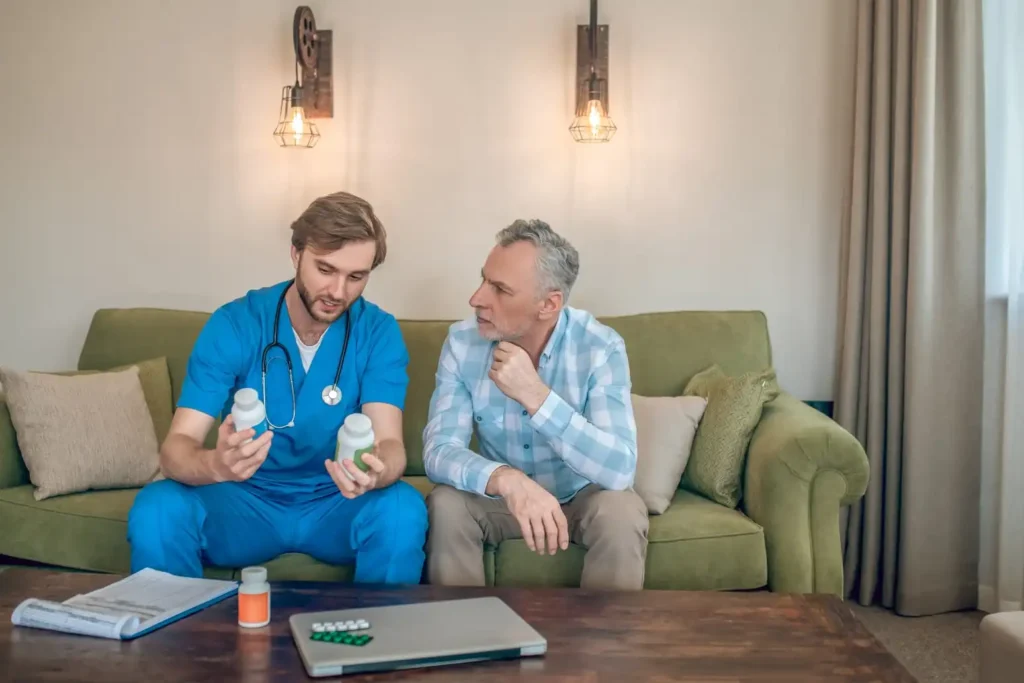
Qualified Care Professionals
Find out about the qualifications as well as the experience and responsibilities of the experts who take care of you.
Individualized Care Plans
Every patient has unique requirements. The healthcare provider must establish a procedure for determining treatment based on each patient’s specific needs.
Clear Communication
Families should be aware of how to reach the service for any concerns or questions.
Reliable Scheduling
Consistency is essential when a patient relies on routine health services.
Compassionate Care
Professional competence is crucial However, respect is equally important. Patients should be treated with respect with compassion, patience, and respect.
Safety and Privacy
A trustworthy provider must consider patient safety privacy, confidentiality, and privacy very seriously.
How Do Nursing Services at Home Support Better Care?
Nursing at home can help improve health care in many ways. The nursing home environment provides nurses the chance to learn not only the medical needs, but also the issues that impact safety and health.
Here are a few principal strategies the home-based nursing service can aid in better treatment.
1. Personalized Care in a Familiar Environment
One of the main benefits of home nursing is the capacity to give personal attention in a comfortable setting.
Hospitals and healthcare facilities have to provide care to a variety of patients at the same time. In the home nursing care can be focused specifically on the needs of the patient in the time of their scheduled visits.
The nurse will be able to consider various things like:
- The daily routine of the patient
- Mobility and functional limitations in mobility
- Medication schedule
- Hydration and nutrition concerns
- Recovery is required
- Participation of family members or caregivers
- Security considerations for your home
- The symptoms change or the overall health
This personalized approach could aid in making healthcare less disruptive and more relaxing.
2. Ongoing Health Monitoring
Some health conditions require regular observation. A nurse at home can observe the appropriate health indicators and watch for any changes that could necessitate communication with the healthcare professional of the patient.
Based on the plan of care Monitoring may include:
- Blood pressure
- Temperature
- Pulse
- Breathing
- Blood glucose levels when appropriate
- Wound condition
- The pain or discomfort
- Medical-related issues
- Changes in mobility, or functioning
- General health condition
Regular monitoring helps uncover issues earlier and enable health professionals to intervene if needed.
Home nursing is not a substitute for emergency medical treatment. If someone experiences medical emergencies, dial 911 or seek medical attention immediately.
3. Support After Hospital Discharge
The days after discharge from the hospital can be difficult for patients and their families.
An individual may be able to return home with a new prescription or treatment guidelines, as well as scheduled appointments, restrictions on mobility and wound-care needs, as well as other suggestions. Making sense of and adhering to the instructions given can be overwhelming.
The provision of nursing services at home following hospital discharge can aid in the transition process by strengthening the existing care plan as well as helping caregivers and patients get the right care instructions.
Home nurses are also able to observe how the patient’s health is improving and report any issues to the proper healthcare professional.
This kind of assistance can be especially beneficial for those recovering from illness, surgery or injury or hospitalization.
4. Medication Management Support
Making sure that medications are taken correctly is an essential part of various treatment programs. However, patients might have trouble remembering plans, understanding directions and organizing their medications, or recognizing any potential problems.
Based on the patient’s medical plan and the area of expertise, a nurse at home can provide support related to medication for example:
- Reviewing the medication’s instructions
- Assisting in the adherence of the prescribed schedules
- Be aware of any possible negative side effects or modifications
- Informing patients about prescription medications
- Communication of concerns about medication to the right healthcare professional
- Assisting in identifying questions that need to be addressed with a doctor or pharmacist
The medication support you receive should always be in line with the prescription of the patient as well as the applicable rules and regulations.
If you are a senior who is taking several medications, a professional nursing supervision can be an additional protection to help ensure safe health care at home.
5. Wound Care and Recovery Support
Certain patients might require ongoing wound care after injury, surgery or other medical issue.
A licensed home health nurse is able to provide care for wounds in line with the established care plan and within their scope of practice.
This could include a proper assessments of wounds, dressing adjustments as well as patient education and monitoring for any signs which should be communicated to the healthcare professional.
Giving adequate wound care at home may help patients avoid unnecessary visits to hospitals for care that is clinically acceptable.
Families should follow all professional medical advice regarding wound care. They should also promptly notify about any changes.
6. Chronic Condition Support
A chronic health issue will require constant surveillance and education.
Diabetes, respiratory diseases, heart disease and other chronic illnesses might require patients to adhere to precise care programs.
A nurse at home can assist patients learn about their healthcare routines and spot the changes that require discussion with their physician.
For instance, support for nurses can include education that is related to:
- As per the prescribed treatment plan
- Recognizing changes in health
- Hydration and nutrition as directed
- Routines for taking medication
- Requirements for monitoring
- Follow-up care
- When should you contact a health medical professional
The objective isn’t just to give a nursing appointment but to assist patients and their families know how to manage their care at home.
7. Patient and Family Education
Instructions for health care can be confusing particularly following major medical diagnosis or hospitalization.
Home nurses can offer education specific to the patient’s health plan. They can also help caregivers learn how to assist the individual’s routine.
Education can address issues like:
- Instructions for taking medication
- Health monitoring for the basics
- Instructions for caring for wounds
- Routines for managing diseases
- Security measures
- Recommendations for follow-up
- Recognizing the changes that must be notifying
If caregivers and patients are aware of the treatment plan they will be more comfortable in managing their day-to-day health care duties.
8. Better Communication With the Healthcare Team
Effective communication is an essential aspect of coordinating healthcare.
A home nurse might notice changes in the patient’s health that the family members had not noticed previously. If appropriate the nurse may communicate pertinent information to the healthcare provider of the patient as well as other personnel on the healthcare team.
This will help ensure the continuity of the healthcare system.
The home healthcare system may require collaboration between:
- Physicians
- Nurses
- Physical therapy
- Therapists for occupational therapy
- Speech therapists
- Aids to home health
- Family caregivers
- Other health specialists
The coordination of communication keeps everyone focussed on the patient’s treatment objectives.
9. Supporting Independence at Home
Many people wish to stay at home as long as is safe.
The assistance of a professional nurse can assist individuals in managing health-related requirements while remaining in a home surroundings.
For those who are elderly or have medical issues, staying at home could provide comfort and security. The nursing care provided by a nurse can aid the individual’s ability to take part in their daily activities and receive the appropriate assistance from a professional.
The aim is not to manage all aspects of someone’s treatment. Instead, it is possible to provide the help required while encouraging autonomy.
10. Greater Comfort and Convenience
Medical appointments can be difficult for people who is unable to move and fatigue, as well as pain or with other health issues.
If you have the right home health care certain nursing services can be offered at the person’s home.
This could reduce the cost of traveling to specific types of treatment and let the patient be treated within a familiar setting.
For families that are employed or have other obligations Professionally coordinated home care may also be a an important service.
Who Can Benefit From Nursing Services at Home?
Nursing Home Care could be beneficial to people who have multiple health requirements. In the event of eligibility, appropriate services and eligibility depend on the patient’s condition and care plan, a medical assessment by a specialist, and other any applicable conditions.
The people who could benefit are:
Seniors
Seniors may require more nursing care due to chronic health conditions, rehabilitation requirements, routines for medication or changes in their the ability to function.
People Recovering From Surgery
Patients who return home following surgery may require medical supervision and assistance during the recovery process.
Individuals With Chronic Conditions
Patients with long-term health issues might benefit from continuing education as well as monitoring and assistance.
People Recovering From Illness or Injury
Nursing homes can offer support during recovery times, where leaving the home often is not feasible or necessary.
Individuals With Complex Healthcare Needs
Certain patients require continuous skilled nursing due to more complicated medical needs. Their treatment must be based on an individualized plan created by the relevant health specialists.
Get Compassionate Nursing Support at Home With Elbok Home Health Care
Get in touch with Elbok Home Health Care today to find out more about our services for home health and discuss ways in which we can assist either you or a loved ones’ medical requirements at home.
What Does a Home Health Nurse Do During a Visit?
The responsibilities of a home health nurse depend on the patient’s medical condition and plan. A typical visit could include a variety of components.
Reviewing the Patient's Current Condition
The nurse might start by asking how the patient is feeling, and then reviewing any changes from the last visit.
Performing Appropriate Assessments
The nurse could perform assessments pertaining to the specific patient’s medical condition and the care plan.
Providing Ordered or Planned Nursing Care
Depending on the patient’s requirements and needs, the nurse can offer specialized services, such as wound treatment or other medical interventions.
Educating the Patient and Caregiver
The nurse is able to reinforce guidelines for healthcare and address questions within the scope of their profession.
Documenting Care
Professional documentation can help keep an exact record of patient’s health and treatment development.
Communicating Important Changes
If the nurse notices something that needs health care, they are able to connect with the appropriate healthcare professional in accordance with the care schedule and procedures for organizational care.
Healthcare Services in the Home in comparison to. Hospital Care
Hospital care and home nursing serve different functions.
Hospitals are designed to provide medical care that is intensive as well as emergency services, the latest diagnostics, and constant monitoring of patients who require that level of treatment.
Home healthcare is typically targeted at patients whose requirements are easily managed at their homes with the help of professional services.
The home nursing profession can provide benefits for example:
- Familiar surroundings
- Individualized attention
- Access to planned and easy care
- Family involvement
- Assistance for routine healthcare needs
- Reduced travel costs for services that are appropriate
- Better ease of life for many patients
However, home-based medical care may not suitable for all medical conditions. Conditions that are urgent and require urgent hospitalization should be dealt with through emergency medical care.
Why Choose Elbok Home Health Care?
Elbok Home Health Care, our aim is to ensure that patients receive professional and compassionate support from the home of their choice.
We realize the importance of inviting a health professional to your home is a crucial choice. Families seek out to have someone who treats their loved ones with respect and provide appropriate treatment based on their particular requirements.
Our approach to home health is based on:
- Personalized care
- Compassionate support
- Professional nursing services
- Patient dignity
- Communication with family members
- Care-plan coordination
- Comfort at home
- Support for independence
If you’re looking for assistance for your elderly parent, help following hospitalization, or help with your ongoing health requirements, Elbok Home Health Care will help you evaluate your alternatives.
How to Get Started With Home Nursing Services
Finding the right home nursing services does not need to be difficult.
Step 1: Discuss Your Needs
Start by determining the type of care the patient requires. Take into consideration recent hospitalizations chronic conditions, medication routines, mobility concerns wound care or other health-related needs.
Step 2: Speak With a Healthcare Professional
The physician of the patient or any other competent healthcare professional may be able to help determine which type of healthcare is appropriate.
Step 3: Contact a Home Healthcare Provider
Contact Elbok Home Health Care to discuss your needs and find out more about services offered.
Step 4: Develop an Appropriate Care Plan
Care should be based upon the person’s requirements and regulatory and professional requirements.
Step 5: Begin Care and Monitor Progress
When services are in place the care team will keep in contact with the patient’s family and other health professionals as required.
Frequently Asked Questions About Nursing Services at Home
1. What are the nursing services offered at home?
The nursing home services offered are healthcare professionals who provide services in the patient’s home. Based on the patient’s treatment plan, the services could include health assessments monitoring, wound care medications-related support, education, and other nursing care.
2. Who requires the services of a nursing home?
People who are recovering from surgery or illness, those with chronic diseases, and those with specific health needs that require skilled care may be able to benefit from the nursing services at home if the appropriate home-based care is available.
3. Is it possible for a nurse to visit my home following discharge from hospital?
Yes, home care may be suitable for some patients following hospital discharge. The type of care provided will are contingent on the condition of the patient and care plan, as well as professional orders, if needed, and the applicable regulations.
4. Are home nurses able to help with medication?
Depending on the patient’s medical plan and the area of responsibility, nursing staff can provide education and monitoring related to medication and assistance. The administration of medication or other services must be in accordance with specific clinical and regulatory guidelines.
5. Can home nursing help seniors?
Yes. Seniors can receive nursing assistance for specific health-related management recuperation, monitoring and other skilled-care needs. The best services are based on the person’s health condition and treatment plan.
6. Does home nursing replace a doctor?
No. A nurse at home does not replace a doctor or any other healthcare provider. Nursing services are a part of a larger health plan, and can involve collaboration and communication with the healthcare team of the patient.
7. Do you have home nursing services available for chronic ailments?
The home nursing option is suitable for people suffering from chronic illnesses. Nurses can provide medical care and instruction according to an set guidelines and also communicate any changes to the medical team.
8. Can nurses at home provide treatment for wounds?
Nurses who are certified can provide treatments for wounds when they are part of the care plan of the patient as well as within the professional responsibilities. Families should adhere to the specific wound-care guidelines provided by the health care team.
9. What can I do to determine if my loved ones needs home nursing?
Take note of whether your loved ones are experiencing difficulties managing their health requirements at home, is healing from an illness, procedure or needs a skilled professional to monitor or treatment. Discussion with a medical professional may assist in determining whether home-based nursing might be a good option.
10. How do I start by registering Elbok Home Health Care?
Contact Elbok Home Health Care to discuss your home healthcare needs. Our staff can assist you to determine the available services and next steps to determine the appropriate healthcare.