

Enhancing Health, Happiness, and Quality of Life
The Power of Positive Psychology for Seniors process of aging is a natural, significant phase in our lives that is full of reflection as well as opportunities to develop. But, older people typically face specific challenges, like decreasing physical health, losing autonomy and isolation due to mental or physical stress.
The importance of medical care is physical and mental well-being. The emotional component also plays an important role in an active and healthy ageing. This is why that positive aspect of psychological health of older adults can be a beneficial instrument.
Positive psychology focuses on positive traits, such as optimism and strength, as in addition to appreciation and an understanding motivation instead of limitations or diseases.
For older adults, embracing positive psychology can be a way to dramatically improve general physical health as well as mental health and contentment.
This article explores the importance of positive psychology for seniors, its benefits, practical applications, and the role caregivers, especially home health professionals like Elbok Home Healthcare play in supporting emotional well-being through personal healthcare services.
What Is Positive Psychology?
- Positive psychology is an essential element of positive psychology. are:
- Positivity and positive thinking
- Thank you and appreciate
- Resilience to emotional stress
- Meaning and purpose in our lives
- Social Connection
- Self-awareness and mindfulness
Why the power of Positive Psychology for Seniors is Important
With age, mental health is often more fragile due to life changes like the loss of a loved one, retirement, mobility problems, or a decrease in interactions with others.
In the absence of adequate emotional support older adults may be suffering from anxiety, depression, or even loneliness.
The research shows that the positive state of mind directly correlates with better physical and mental health in the elderly such as better immune system function, less levels of stress, more restful sleeping patterns, and a lower chance of developing cognitive decline.
Positive psychology allows seniors to concentrate on the things they are able to manage–attitudes and thoughts and emotional response–helping them lead more fulfilling, happy lives.
Benefits of Positive Psychology for Seniors
1. Improves Mental Health and Emotional Well-Being
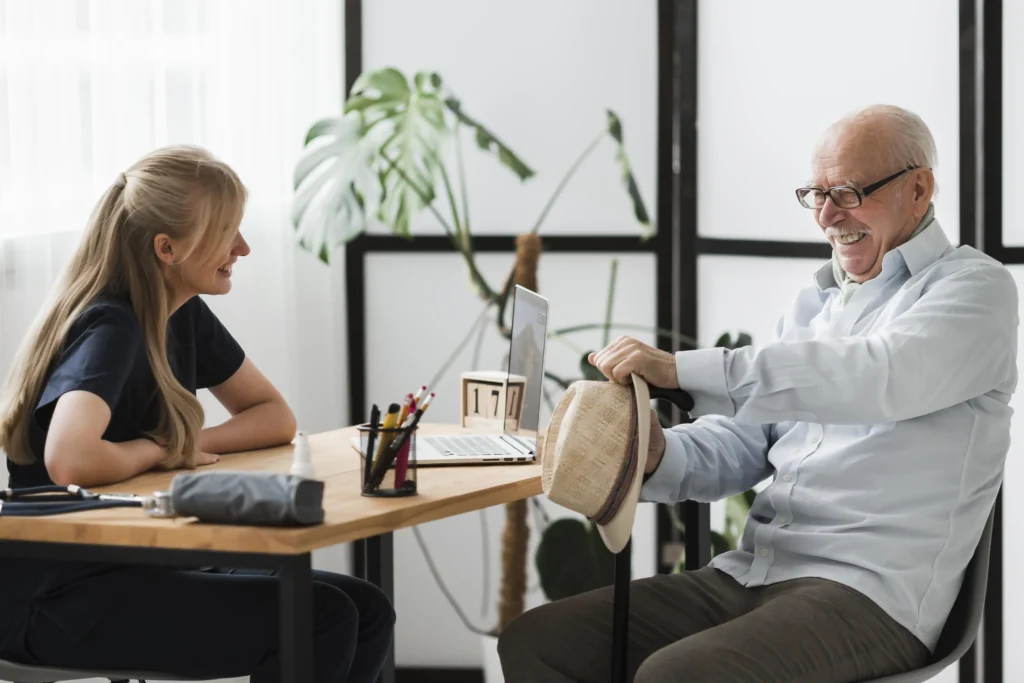
One of the biggest advantages the power of positive psychology for seniors citizen is the improvement in their mental wellbeing. Positivity and gratitude can help to reduce the signs of anxiety, depression and the effects of chronic stress.
Positive psychology methods can help senior citizens:
- Create healthier thinking patterns
- Reduce negative self-talk
- Improve emotional regulation
- Feel confident and more optimistic.
Focusing on the positive aspects of their accomplishments and experiences, older adults have the ability to deal with the emotional stressors.
2. Enhances Physical Health and Longevity
- Lower blood pressure
- A lower risk of suffering from heart disease
- More effective control of pain
- A quicker healing from illnesses
- Longer-lasting
3. Supports Cognitive Function and Brain Health
Positive thinking plays a crucial function in maintaining healthy brains. The research suggests that optimism as well as emotions can reduce the chance of developing dementia and cognitive decline.
The power of Positive Psychology for Seniors can help:
- Increased focus and memory
- Better problem-solving skills
- A boost in cognitive stimulation
- A lower risk of developing cognitive impairment related to depression
Mindfulness-based activities journals, gratitude journaling and social interaction help keep the brain stimulated and active.
4. Reduces Loneliness and Social Isolation
- Better relationships with family members as well as caregivers
- Support for emotional wellbeing
- Greater feelings of being part of a community
- Reduction of feelings of isolation
5. Builds Emotional Resilience and Coping Skills
- Cope well when you are ill or lose your job.
- Stay independent for to last
- You will feel empowered instead of being helpless
- Have a sense that they have the control they have over their life
6. Encourages Purpose, Meaning, and Fulfillment
- Improves emotional well-being
- Reduces depression
- Enhances motivation
- Enhances the level of satisfaction in life
Practical Positive Psychology Techniques for Seniors
1. Practicing Gratitude Daily
- Noting three things they’re grateful to have each day
- Looking back on happy memories
- Thanking caregivers and loved family members
2. Mindfulness and Relaxation Techniques
- Exercises for deep breathing
- Meditation with a guided guide
- Relaxing yoga, or gentle stretching
- Quiet reflection
3. Maintaining Social Engagement
- Talks with caregivers
- Family visits
- Religious groups, community-based or religious activities
- Home-based companionship and support services
4. Setting Achievable Goals
- Walking routines that you do every day
- Finding a new interest
- A creative idea can be completed
- Maintaining your personal independence
5. Positive Affirmations and Self-Compassion
- “I am valued and respected.”
- “I am doing the best I can.”
- “My life still has purpose and meaning.”
The Role of Caregivers in Supporting Positive Psychology
Home health care professionals and caregivers are essential to improving emotional health. Beyond providing physical support, caring caregivers create an atmosphere with respect, confidence and positive energy.
Caregivers may help promote power of Positive Psychology for Seniors through:
- Inspiring independence whenever is
- Reassurance for the emotional
- Engaging in a listening process and empathizing with others
- Engaging seniors in meaningful conversation
- Hobbies and interests that support you
Home care for seniors allows them to stay in their familiar environment that can significantly improve wellbeing and emotional well-being.
Positive Psychology and Home Health Care
Health care at home offers a unique chance to incorporate positive psychological practices into your daily routine. Individualized care plans to address mental, social and mental issues help older adults to thrive in their homes.
The benefits of combining positive psychology and home health care are:
- Increased satisfaction of patients
- More emotional results
- Reduction in hospital readmissions
- More positive caregiver-client relationships
The holistic treatment that addresses the body and mind leads to improved long-term results.
Last Thoughts: Aging With the spirit of optimism and purpose
Positive psychology helps seniors remain in dignity and have resilience and strength of their emotional wellbeing. Focusing on gratitude, connections, optimism and motivation, adults are able to improve their physical health, mental health, and general well-being.
Families and caregivers need to know that providing emotional wellbeing is as crucial as providing physical health care. When older adults feel respected, appreciated, and supported emotionally they are likely to lead more healthy, happier, and more fulfilled lives.
Ageing doesn’t mean losing enthusiasm or meaning, it’s about redefining the meaning of these. By harnessing the help that is positive psychology older adults will continue to develop as they thrive and live a full life.