

Patients who have home healthcare can receive medical treatment from a professional in the comfort and security of their home. For a lot of families, knowing what does a home healthcare nurse do is the initial step to determine if in-home qualified nursing care is the ideal option. A nurse at home provides medical care that aids in recovering and manage chronic illnesses and assist patients to maintain their autonomy while avoiding costly hospitalization.
The need for home-based medical services continues to increase as more senior citizens choose to age at home, and hospitals focus on shorter inpatient stay. Modern advances in medical technology allow us to provide treatments as well as monitor health conditions and efficiently coordinate care in non-traditional clinical settings.
Home health nurses typically assisting patients in their senior years, those who are recovering from surgeries, those with chronic illnesses, such as heart disease or diabetes and those who require ongoing medical surveillance. In Elbok Home Healthcare, licensed nurses provide individualized, physician-directed health plans designed to enhance security, stability, and long-term well-being in the comfort of your home.
What Is a Home Healthcare Nurse?
A home health nurse is a certified home health nurse who provides medical services to patients at their own homes, not in a hospital or a clinical environment. These nurses provide professional nursing services in the privacy of their homes with a doctor-directed care plan.
Their mission is to help patients recover without injury, manage chronic illness, and remain independent with high-quality medical care in a comfortable setting.
Nurses at home are certified to carry out some of the exact tasks that hospital nurses do, such as assessment of patients, administration of medications, as well as wound care, chronic illness management, and post-operative monitoring.
But their services are provided on a one-on-one basis at the residence of the patient, which allows for more personal attention and education geared to the patient’s needs and family.
Difference Between a Home Health Nurse and a Hospital Nurse
Although both medical professionals are licensed Their work environments and approaches to care differ in a significant wa.
Home Healthcare Nurse:
- The patient is directly involved in the home
- Offers individualized, one-on-one attention
- It focuses on recovery and long-term management of conditions and preventative measures.
- Instructs families and patients on taking care of themselves
Home health nurses typically establish long-term relationships with patients and families, helping to support gradual healing and reducing hospital readmissions.
Hospital Nurse:
- Performs in a highly spaced clinical environment
- Cares for multiple patients during a shift
- Concentrates on urgent or emergency medical issues
Treatment for short-term and intensive needs.
RN Vs LPN in Home Healthcare
Each of the Registered Nurses (RNs) as well as licensed practical Nurses (LPNs) plays an essential role in the home healthcare system; however, their scope of practice is different.
In most cases, the services are offered by an accredited home health agency under Medicare, which ensures that care is compliant with federal safety and quality standards. This arrangement allows RNs as well as LPNs to collaborate in order to provide comprehensive, dependable, and personalized treatment.
Registered Nurse (RN):
- Conducts comprehensive patient assessments
- Creates and updates health plans
- Coordinates with doctors and other health professionals.
- Performs advanced procedures, such as IV therapy, as well as complex wound treatment
Supervises LPNs and other health care personnel.
Licensed Practical Nurse (LPN):
- Checks vital signs and general health condition
- Drugs are administered by the pharmacist.
- Assists in the care of wounds and basic treatment
Assists patients with ongoing support and education under RN supervision.
Where Home Healthcare Nurses Work
Health care nurses at home assist patients in various homes, such as:
- Private homes
- Facilities for assisted living
- Senior communities
- Independent living homes
No matter the location regardless of the location, the goal is the same: to provide high-quality medical services in a non-hospital setting while encouraging safety, comfort, and respect. Through bringing expert nursing directly to the patient home health nurses help bridge the gap between hospital care and living independently.
What does a Home Healthcare Nurse do daily?

The responsibilities that nurses working in home health care combine the expertise of a clinical nurse with individualized, one-on-one support for patients.
Every session is guided by a doctor-approved care plan that is customized to the patient’s health situation, goals for recovery, and their home surroundings. Below is a thorough description of the tasks that home health professionals do regularly.
1. Comprehensive Patient Assessment
The main responsibility of any nurse is to conduct an exhaustive health assessment for the patient at home. Each visit could begin with an in-home nurse assessment to assess the progress of the patient and to identify any changes to the patient’s health.
Daily assessment tasks can comprise:
- Initiating and continuing health assessments
- Monitoring vital signs like pulse, blood pressure, temperature, and oxygen levels
- Evaluation of balance, mobility, and fall risk
- Assessing cognitive status, e.g., memory and mental clarity
- Checking out symptoms and overall comfort levels
Based on the findings, nurses update health plans, note the progress made, and relay any concerns to the physician who supervises. Early detection of issues can prevent hospital readmissions and allow for timely interventions.
2. Medication Management and Administration
Safe and precise medication management at home is among the most crucial tasks for the home health nurse. Many patients are required to manage multiple prescriptions, increasing the chance of errors in dosage or interactions with drugs.
Every day medication responsibilities could include:
- Administering injections, including insulin administration
- Home-based IV therapy
- Reviewing and organizing the schedules of medications
- Informing patients on appropriate dosages and times
- Monitoring adverse side effects and monitoring adverse reactions
- Reducing the risk of medication errors by reconciliation and verification
By making sure that the proper administration of medications, nurses aid in stabilizing chronic conditions and assist in recovery.
3. Wound Care and Post-Surgical Care
For patients recovering from surgery or dealing with persistent wounds, nurses offer special wound treatment at home. Professionally trained clinical oversight decreases the risk of infection and speeds up healing.
Every day, wound and recovery activities can consist of:
- Performing dressing changes
- Treatment and cleaning of surgical incisions
- The delivery of skilled nursing wound treatment
- Examining for any signs of infection
- Assisting with mobility in post-operative home care
- Implementing strategies to prevent pressure ulcers
This kind of care is hands-on and helps ensure proper healing, while allowing patients to heal easily in their home.
4. Chronic Disease Management
A lot of patients with home health needs continuous home health care for chronic illnesses to keep their health stable and avoid complications. Nurses play an integral part in monitoring long-term illness and education.
Common conditions that are managed include:
- Managing diabetes at home, including blood glucose monitoring
- Home care for cardiac conditions to treat the heart and for heart diseases.
- Support for COPD and respiratory conditions
- Monitoring of hypertension and blood pressure control
The daily responsibilities could include tracking the symptoms, altering treatment strategies, enforcing the dietary guidelines, and communicating with doctors when health issues occur.
5. Pain Management and Symptom Control
Effective pain management improves your comfort and improves the quality of your life. Nurses at home regularly evaluate the level of pain and develop medically approved treatment plans.
Principal responsibilities include:
- Conducting regular pain tests
- Preparing prescription pain medication
- Monitoring medication effectiveness
- Working with doctors to coordinate treatment modifications
- Home-based care for palliative patients as needed
Controlling symptoms may also involve the management of shortness of breath or fatigue, nausea or any other discomfort related to the condition.
6. Patient and Family Education
Education is a key component of home health. Nurses ensure that both caregivers and patients feel secure in the management of care during visits.
Education efforts daily could consist of:
- The teaching of medication schedules and safe administration
- Offering education specific to the disease
- Advising on lifestyle fitness and nutrition
- The delivery of information to caregivers and providing family health training
- Checking for the emergency warning signals that call for medical attention
7. Care Coordination and Communication
Nurses at home serve as an intermediary between patients and the larger medical system. Solid care coordination services guarantee the continuity of care and precision of treatments.
The tasks of coordination comprise:
- Notifying physicians of updates
- Maintaining accurate and complete medical records.
- Working with the interprofessional healthcare team
- Coordinating occupational, physical and speech therapy
- Referrals to specialists if needed
Through teamwork and proactive communication Nurses at home ensure that each aspect of a patient’s healthcare is coordinated, well-organized, and able to adapt to evolving demands.
What Conditions Require a Home Healthcare Nurse?
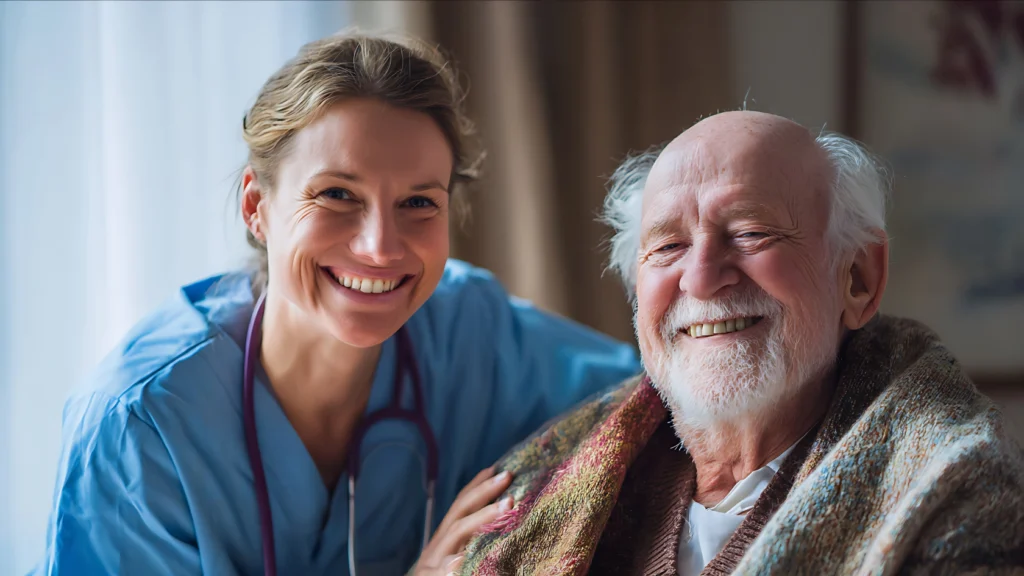
Many families wonder, “Who needs home healthcare nursing services?” The answer often is dependent on the patient’s medical status as well as their recovery progress and requirements for skilled monitoring.
Home healthcare nurses provide vital medical support to those who require medical treatment from professionals but prefer to stay in the comfort of their homes.
Here are the most common scenarios that might need a nurse at home:
Post-Hospital Discharge Recovery
Patients recently discharged following surgery or illness typically require skilled monitoring, treatment of medications, as well as wound care and regular assessments to avoid complications and prevent hospital readmissions.
Stroke Recovery
Patients with strokes might require monitoring of their neurological health as well as mobility assistance, medication administration, and coordination with occupational or physical therapy for rehabilitation.
Heart Failure and Cardiac Conditions
Heart failure sufferers benefit from continuous monitoring of blood pressure and fluctuating weights, as well as oxygen levels. The adherence to medications to avoid emergency complications.
Diabetes Management
People with diabetes might require insulin treatment as well as blood glucose monitoring, nutrition guidance, and training to manage their diabetes at home safely.
Alzheimer's Disease and Dementia
People who are experiencing cognitive decline frequently require supervised medication in addition to safety monitoring and health checks in a comfortable setting.
Mobility Limitations or Physical Disabilities
Patients who are unable to move due to arthritis, injury, neurologic conditions,or the decline of aging may require assistance in the form of medical treatment and fall prevention strategies.
Cancer Treatment Support
People who are undergoing chemotherapy or undergoing cancer-related treatments might require treatment for symptom control, such as treatment for pain, IV therapy, and close monitoring for health.
Benefits of Hiring a Home Healthcare Nurse
The choice of professional care in the home can provide huge benefits in terms of emotional and physical health for families and patients. Knowing the skilled nursing in-home advantages can help families make an informed decision about the regular care and rehabilitation support.
Personalized One-on-One Care
One of the primary benefits of employing a home healthcare nurse is the personal attention they provide. As opposed to hospital settings, where nurses tend to multiple patients throughout a shif,t home healthcare is devoted to single-handed clinical supervision.
Nurses who receive individualized care can:
- Create individualized care plans based on the patient’s medical condition
- Monitor the progress and modify treatments if necessary.
- Find the early signs that indicate problems
- Offer targeted education that is specifically tailored to the patient’s needs and their family
- Develop trusting and strong relationships
This level of care ensures patients receive medical care that is specifically that is geared to their specific medical needs, lifestyle, as well as home surroundings.
Reduced Hospital Readmissions
The primary goal of home health care is to stop hospital readmissions. Following surgery, illness, or chronic flare-ups of a condition, patients are usually at greater risk of complications in the initial few weeks following discharge.
Nursing home nurses reduce the risk of contracting a disease by:
- Monitoring the vital symptoms and signs frequently
- Making sure that medications are managed correctly
- Assisting with wound care and post-surgical supervision
- In close collaboration with physicians
- Rapidly responding to health changes
The early detection and treatment dramatically reduce the risk of emergency room visits and rehospitalizations, thereby improving the quality of healthcare and overall costs.
Comfort of Healing at Home
In the case of many people, having the capacity to recuperate at home is a key factor in speedier healing and enhanced wellbeing. The familiar surroundings can reduce stress, increase quality of sleep, and help maintain the independence of patients.
Home-based healing can provide:
- More privacy and respect
- Minimized exposure to infections acquired in hospitals
- Flexibility in everyday routines
- The emotional comfort of being close to family
If medical treatment is provided directly at home, patients can benefit from professional care without the hassle of long hospitalizations.
Family Peace of Mind
Employing a home health nurse can also provide reassurance to family members. Caregiving for someone you love who has medical issues is a daunting task without expert advice.
Families can rest easy by:
- Regular health check-ups with a registered nurse
- Communication about health plans and the progress made
- Training on how to help in a safe manner
- Professional supervision of medicines and treatments
- Continuous collaboration with specialists and doctors
These in-home skilled care benefits ensure that patients get the highest quality medical treatment, as families feel secure in their knowledge and are secure in their loved ones’ health and safety.
The Home Healthcare Nurse vs Caregiver: What's the difference?
Families often inquire about the difference between caregivers and nurses when considering options for support at home. Although both are beneficial, they serve distinct objectives.
Recognizing the difference between medical home health care vs non-medical care at home can ensure your loved ones receive the proper level of care.
A home health nurse offers medical services that are physician-directed and clinical. A caregiver, in contrast, is focused on individual assistance and support for daily living without having to perform medical procedures.
| Role | Home Healthcare Nurse | Caregiver |
|---|---|---|
| Professional Background | A licensed medical professional (RN or LPN) | Non-medical assistance providers |
| Main Responsibilities | Injects and administers medications | Aids with daily tasks |
| Medical Procedures | Conducts procedures for medical purposes (wound treatment and IV therapy) | Offers supervision and companionship |
Scope of Practice
Home Healthcare Nurse:
- Certified and trained in clinical practice
- Offers skilled nursing services
- Conducts health assessment
- Monitors chronic diseases
- Performs wound treatment and post-surgical treatment
- administers injections, medications, and IV therapy
Coordinates with doctors and healthcare teams.
Caregiver:
- It is possible to be certified, but not medically licensed.
- Assists in dressing, bathing, and grooming
- Makes meals and assists with light household chores
- Offers assistance with transportation
- Provides emotional support and companionship
Helps by delivering reminders (but is not able to administer medication in all instances)
Level of Medical Support
The primary difference in medical home care vs non-medical home care lies in the level of clinical expertise.
A home healthcare nurse is necessary when a patient requires:
- Skilled medical treatments
- Ongoing health monitoring
- Medication administration
- Management of complex conditions
A caregiver is appropriate when a patient primarily needs:
- Help with activities of daily living (ADLs)
- Supervision for safety
Companionship and social engagement
When You May Need Both
In some cases, families benefit from combining both services. A nurse may visit several times per week for clinical care, while a caregiver provides daily support with personal tasks and supervision.
Choosing between the two depends on the patient’s health condition, recovery stage, and overall level of independence. Evaluating these nurse vs caregiver differences ensure the right balance of safety, medical oversight, and daily assistance.
How Often Does a Home Healthcare Nurse Visit?
The frequency of home healthcare visits depends on the patient’s medical needs, physician recommendations, and overall care goals.Some individuals require short-term skilled nursing after a hospital stay, while others benefit from ongoing support for chronic conditions.
Visit schedules are always structured around a physician-directed care plan to ensure appropriate and effective treatment.
Short-Term Care
Short-term home healthcare is common after surgery, hospitalization, or an acute illness. During this period, nurses focus on stabilization, wound care, medication management, and recovery monitoring.
Visits may occur several times per week at the beginning and gradually decrease as the patient improves.
Long-Term Care
Long-term care is typically needed for chronic illnesses such as heart failure, diabetes, or neurological conditions. In these cases, nurses provide continuous oversight to prevent complications and maintain stability of health.
The visit schedule may remain consistent for an extended period, depending on medical necessity.
Frequency Based on Condition
The number of visits varies according to the patient’s condition and level of medical complexity.
- Post-surgical patients: Often require 2–3 visits per week initially for wound care and monitoring.
- Chronic disease management: May involve weekly or biweekly visits.
- High-risk or unstable conditions: Could require more frequent monitoring.
- Stable long-term patients: May need periodic check-ins for assessment and education.
These visiting nurse services are adjusted as the patient’s condition changes. If improvement occurs, visits may decrease. If complications arise, frequency may increase to ensure safety.
Physician-Directed Care Plan
All home healthcare is guided by a physician-approved plan of care. This document outlines:
- Specific treatments and interventions
- Medication administration requirements
- Monitoring guidelines
- Frequency and duration of visits
- Goals for recovery or disease management
For patients requiring more continuous medical support, a structured private duty nursing schedule may be arranged. Private duty nursing can range from several hours per day to extended or overnight coverage, depending on the patient’s needs.
Ultimately, visit frequency is personalized and regularly reassessed to ensure patients receive the right level of skilled care while remaining safe and supported at home.
How to Choose the Right Home Healthcare Agency
Selecting the best home healthcare agency is a critical decision that directly impacts the quality, safety, and comfort of care your loved one receives.
With many options available, understanding what to look for ensures you choose a licensed home health provider that meets both medical standards and your family’s needs.
At Elbok Home Healthcare, we prioritize excellence in every aspect of care, combining clinical expertise with compassionate, patient-focused service.
Licensing and Accreditation
The foundation of trustworthy home healthcare is proper licensing and accreditation. A Medicare-certified home health agency meets federal standards for safety, quality, and accountability.
When evaluating agencies, confirm that they are fully licensed to operate in your state and hold certifications from recognized authorities.
Elbok Home Healthcare is fully licensed and Medicare-certified, ensuring that every patient receives safe, compliant, and professional care that meets the highest healthcare standards.
Experienced Registered Nurses
Quality care starts with skilled nursing professionals. A reputable agency should employ experienced RNs and LPNs trained in a variety of clinical areas, from chronic disease management to post-surgical recovery.
At Elbok Home Healthcare, our team of licensed nurses has extensive experience delivering in-home skilled nursing services.
Each nurse is trained to provide medical assessments, medication administration, wound care, and personalized support tailored to each patient’s needs.
Personalized Care Plans
Every patient is unique, and care should reflect individual health conditions, recovery goals, and home environment. A strong agency will develop personalized care plans that are flexible and responsive to changes in a patient’s health.
Elbok Home Healthcare creates customized care plans for every client, ensuring that nursing visits, therapy coordination, and patient education are aligned with each patient’s specific requirements.
These plans are continuously updated to support optimal recovery and long-term well-being.
Insurance and Medicare Coverage
Understanding insurance and Medicare home health services coverage is essential to avoid unexpected costs. The right agency will guide families through insurance benefits, Medicare eligibility, and payment options.
Elbok Home Healthcare works with a wide range of insurance providers and is fully Medicare-certified, helping patients access skilled nursing services without financial stress.
Our staff assists with verifying coverage, explaining benefits, and coordinating billing to simplify the process for families.
Communication Transparency
Open, consistent communication between the agency, patients, and families is key to effective home healthcare. Agencies should provide clear updates on care plans, patient progress, and any changes in treatment.
At Elbok Home Healthcare, we emphasize communication transparency, keeping families informed every step of the way. Our nurses provide regular updates, detailed progress notes, and are always available to answer questions, ensuring families feel confident and supported.
Choosing the right home healthcare agency is about more than medical expertise—it’s about trust, reliability, and compassionate care.
With Elbok Home Healthcare, families can be confident that their loved ones are receiving safe, professional, and personalized care from a team committed to health, comfort, and dignity.
Why Families Trust Elbok Home Healthcare
Families looking for reliable in-home care choose Elbok Home Healthcare for our proven track record of excellence and compassionate service.
Our team combines professional expertise with a personal approach, ensuring every patient receives the highest standard of care in the comfort of their own home.
Years of Experience
Elbok Home Healthcare brings years of experience in providing skilled nursing services at home. Our extensive background in post-surgical care, chronic disease management, and senior health allows us to anticipate patient needs and deliver effective, safe care.
Compassionate, Licensed Nurses
Our team consists of fully licensed RNs and LPNs who are not only clinically skilled but also genuinely compassionate. Each nurse focuses on creating a positive, supportive environment while delivering medical care, helping patients feel secure and comfortable.
Customized Care Plans
Every patient receives a personalized care plan tailored to their health condition, recovery goals, and lifestyle. These plans are regularly updated based on patient progress, ensuring care remains effective, relevant, and responsive.
Fast Response Time
We understand that timely care can make all the difference. Elbok Home Healthcare prides itself on quick response times for both routine visits and urgent needs, providing families with peace of mind that professional help is always available.
Local Expertise
As a locally operated home healthcare agency, we have a deep understanding of the community and its healthcare resources. This allows us to coordinate care efficiently and provide personalized support that reflects local needs and services.
Frequently Asked Questions About Home Healthcare Nurses
1. What does a home healthcare nurse do?
A home healthcare nurse provides skilled medical care at home, including monitoring vital signs, administering medications, wound care, and chronic disease management.
2. Who needs home healthcare nursing services?
Patients recovering from surgery, managing chronic illnesses, experiencing mobility limitations, or needing post-hospital care typically require home healthcare nursing services.
3. Are home healthcare nurses licensed?
Yes, home healthcare nurses are licensed professionals (RN or LPN) trained to provide clinical care in the patient’s home.
4. Is home healthcare covered by insurance or Medicare?
Many home healthcare services are covered by insurance and Medicare, especially when delivered through a Medicare-certified home health agency like Elbok Home Healthcare.
5. How often does a home healthcare nurse visit?
Visit frequency depends on the patient’s condition, care plan, and physician recommendations, ranging from daily visits to periodic check-ins.
6. Can home healthcare nurses provide 24-hour care?
Yes, agencies can arrange private duty nursing schedules for 24-hour monitoring, medication administration, and complex care support.
7. What is the difference between a nurse and a caregiver?
Nurses provide medical care, administer medications, and perform clinical procedures, while caregivers assist with daily living activities, companionship, and household support.
8. Do home healthcare nurses coordinate with doctors?
Yes, nurses communicate regularly with physicians and the healthcare team to update care plans, report changes, and ensure proper treatment.