

As people grow older, everyday activities that once felt simple can become more challenging. Tasks such as bathing, getting dressed, preparing meals, walking safely, and managing medications may require additional time, adaptive equipment, or assistance from a caregiver. Understanding the daily living activities for older adults can help families recognize changing care needs and find appropriate support that promotes comfort, dignity, and independence.
For many seniors, remaining at home is an important part of maintaining their independence and quality of life. With the right care plan and reliable home health care support, older adults can continue participating in familiar routines while receiving assistance with activities that have become difficult.
Elbok Home Health Care helps families explore personalized care options that support older adults in their daily routines. Whether a loved one needs help with personal care, meal preparation, mobility, companionship, or ongoing assistance at home, understanding their daily living needs is an important first step toward choosing appropriate care.
In this guide, we will explain the different types of activities of daily living, why they matter for seniors, when older adults may need assistance, and how professional home care can help families support their loved ones.
What Are Daily Living Activities for Older Adults?
Daily living activities are the routine tasks people perform to maintain personal hygiene, physical comfort, health, safety, and independence. For older adults, these activities include basic self-care tasks as well as more complex responsibilities necessary to live safely at home.
Healthcare professionals commonly divide these activities into two categories:
- Activities of Daily Living (ADLs): Basic personal care tasks such as bathing, dressing, eating, toileting, and moving between positions.
- Instrumental Activities of Daily Living (IADLs): More complex everyday tasks such as cooking, shopping, housekeeping, transportation, managing appointments, and organizing medications.
As seniors age, they may experience changes in strength, balance, vision, memory, coordination, or stamina. These changes can make certain activities harder to complete independently.
However, needing help with one or two tasks does not necessarily mean an older adult cannot live independently. Many seniors benefit from targeted assistance that allows them to continue doing what they can safely manage themselves.
A personalized home care plan can identify which activities require support and which can be completed independently, helping seniors maintain confidence and control over their daily lives.
How Can Home Health Care Help Older Adults With Daily Living Activities?
Home-based care can help seniors receive support in familiar surroundings while maintaining as much independence as possible.
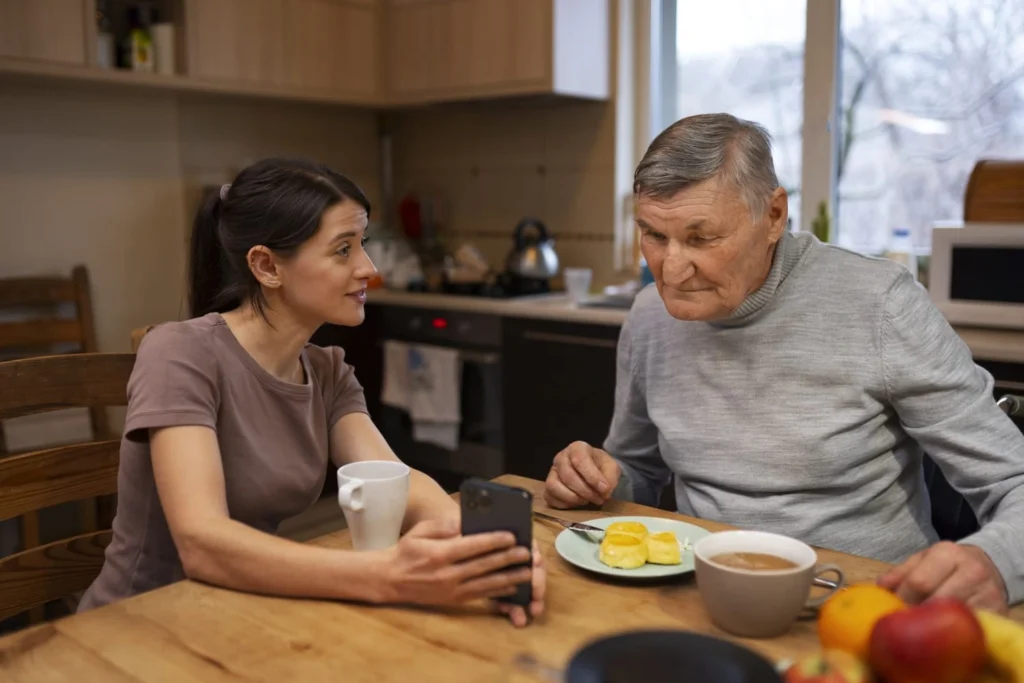
Personalized Personal Care Assistance
Personal care support can help with bathing, dressing, grooming, toileting, and other everyday self-care activities.
A personalized approach focuses on providing the assistance needed without unnecessarily taking over tasks the senior can still complete independently.
Companion Care and Routine Support
Companion care may include conversation, recreational activities, reminders, and assistance maintaining a regular schedule.
This type of support can be helpful for older adults who live alone, have limited social interaction, or need encouragement to participate in everyday activities.
Meal Preparation and Nutrition Support
Caregivers can help prepare meals, organize groceries, and maintain practical meal routines according to the individual’s preferences and care plan.
If a senior has swallowing difficulties, significant weight loss, or special medical nutrition requirements, professional healthcare guidance is important.
Mobility and Safety Assistance
Depending on the care plan and caregiver training, home care support may include assistance with everyday movement, keeping commonly used areas organized, and identifying potential household hazards.
Grab bars, adequate lighting, nonslip surfaces, and clear walking paths can also help improve home accessibility.
Seniors with significant balance or transfer difficulties may need additional assessment or specialized support.
Respite Care for Family Caregivers
Family caregivers need time to rest, manage responsibilities, and attend to their own well-being.
Respite care provides temporary support for a loved one so that family caregivers can take planned breaks.
The schedule and level of respite assistance can vary according to the senior’s needs and the provider’s available services.
Skilled Home Health Services When Appropriate
Some older adults need clinical services in addition to everyday personal assistance. Depending on medical necessity, eligibility, professional orders, and provider authorization, skilled home health care services may include nursing care or physical, occupational, and speech therapy.
These clinical services differ from nonmedical personal care and companionship. Families should confirm which services a provider is licensed and equipped to deliver.
Why Are Daily Living Activities Important for Seniors?
Daily routines contribute to an older adult’s physical health, emotional well-being, and overall quality of life. When seniors can participate in everyday activities as safely and independently as possible, they may feel more confident and connected to their surroundings.
Here are several reasons why daily living activities matter.
Maintaining Personal Hygiene and Comfort
Bathing, oral hygiene, grooming, and changing clothes help older adults remain clean and comfortable. These routines can also help families and caregivers notice changes in skin condition, mobility, or general well-being.
When a senior struggles with bathing or dressing, appropriate assistance can help maintain personal hygiene while protecting privacy and dignity.
Supporting Proper Nutrition and Hydration
Preparing balanced meals, eating regularly, and drinking enough fluids are important parts of healthy aging. Seniors who have difficulty shopping, cooking, or handling kitchen equipment may benefit from meal preparation assistance.
Caregivers can help with appropriate meal routines and encourage hydration according to the individual’s care plan.
Promoting Safe Movement
Walking, transferring from a bed to a chair, and moving around the home are essential everyday activities. Balance problems, reduced strength, and environmental hazards can make these movements more difficult.
Appropriate mobility support and home safety improvements may help reduce avoidable risks.
Encouraging Mental and Emotional Well-Being
Daily routines provide structure and opportunities for meaningful participation. Reading, talking with friends, engaging in hobbies, and spending time with family can help seniors maintain social connections.
Companionship and routine support can be especially valuable for older adults who spend much of their time alone.
Helping Families Manage Care Responsibilities
Family caregivers often balance employment, household responsibilities, and personal commitments while caring for an aging relative.
Professional home care assistance can help families share these responsibilities while ensuring that their loved one receives appropriate support with everyday activities.
What Are the Basic Activities of Daily Living (ADLs)?
Basic activities of daily living are the fundamental personal care tasks people need to perform regularly. These activities are commonly used to understand an individual’s functional abilities and determine what type of assistance may be appropriate.
Bathing and Personal Hygiene
Bathing involves washing the body, maintaining cleanliness, and completing related hygiene routines. Older adults may have difficulty bathing because of reduced flexibility, joint discomfort, weakness, balance problems, or fear of slipping.
Assistance may include:
- Preparing bathing supplies and clean towels.
- Helping the senior enter or exit the shower when appropriate.
- Providing support with washing areas that are difficult to reach.
- Encouraging safe use of grab bars, shower chairs, and nonslip surfaces.
- Helping with drying and dressing after bathing.
Caregivers should respect personal preferences and provide only the level of assistance needed.
Families seeking bathing assistance for seniors at home should consider a care arrangement that prioritizes privacy, safety, and dignity.
Dressing and Undressing
Getting dressed may become challenging when seniors have difficulty bending, reaching, fastening buttons, or managing zippers. Conditions that affect hand coordination or movement can make clothing changes particularly difficult.
Support with dressing and undressing assistance may include selecting comfortable clothing, helping with socks and shoes, assisting with fasteners, and organizing outfits that are easy to put on.
Adaptive clothing, long-handled dressing aids, and other assistive devices may also help some seniors remain independent.
Whenever possible, caregivers should allow older adults to choose their clothing and complete the parts of the task they can manage safely.
Eating and Feeding
Eating involves bringing food and drinks to the mouth and consuming them. Some older adults can prepare their own meals but need help opening containers, cutting food, or using utensils.
Others may require more assistance because of weakness, limited coordination, or certain medical conditions.
Support may include setting up meals, providing suitable utensils, and assisting with eating when appropriate to the caregiver’s training and the individual’s care plan.
Difficulty chewing or swallowing requires special attention. Families should seek professional medical advice if a senior frequently coughs while eating, experiences choking, or has unexplained weight loss.
Toileting and Incontinence Care
Toileting includes recognizing the need to use the bathroom, reaching the toilet, managing clothing, and completing personal hygiene afterward.
Older adults may need assistance because of mobility limitations, cognitive changes, or difficulties transferring safely.
Care support can include helping a senior reach the bathroom, organizing a safe route, assisting with clothing, and maintaining cleanliness while respecting privacy.
For seniors experiencing incontinence, a consistent routine and appropriate hygiene supplies can help improve comfort and protect skin health.
Sudden changes in urinary or bowel habits should be discussed with a healthcare professional because they may indicate an underlying problem.
Mobility and Transferring
Mobility includes moving around the home and changing positions, such as moving from a bed to a chair or standing up from a seated position.
Reduced balance, muscle weakness, previous injuries, and fear of falling can make these activities difficult.
Appropriate support may involve:
- Keeping pathways clear and well lit.
- Encouraging the safe use of prescribed mobility aids.
- Helping with transfers when the caregiver has appropriate training.
- Following recommended movement and positioning techniques.
- Allowing sufficient time for standing and walking.
Caregivers should never attempt unsafe lifting or transfers beyond their training. Seniors who need specialized transfer assistance may require an assessment from a qualified healthcare professional.
Maintaining Continence
Continence refers to the ability to control bladder and bowel function. Although related to toileting, continence is also commonly assessed as a separate functional ability.
Some older adults need reminders to use the bathroom, help with clothing, or assistance maintaining a regular toileting schedule.
Support should be respectful and individualized. Persistent incontinence, pain, blood in the urine, or sudden changes should be evaluated by a healthcare professional.
What Are Instrumental Activities of Daily Living (IADLs)?
Instrumental activities of daily living are more complex tasks that allow older adults to manage their households, health needs, and community responsibilities. Seniors may experience difficulty with these activities before they need assistance with basic personal care.
Meal Planning and Preparation
Preparing meals requires several skills, including planning menus, gathering ingredients, using kitchen equipment, and cleaning up afterward.
Older adults who experience fatigue, reduced mobility, or difficulty standing for long periods may find cooking challenging.
A home caregiver may assist with:
- Planning meals based on the senior’s preferences and care plan.
- Preparing simple, balanced meals.
- Organizing groceries and kitchen supplies.
- Keeping frequently used items within easy reach.
- Cleaning food preparation areas after meals.
Caregivers should follow any prescribed dietary instructions and food safety recommendations.
Light Housekeeping and Laundry
Maintaining a clean home can become physically demanding as people age. Vacuuming, changing bed linens, washing dishes, and carrying laundry may require bending, lifting, or prolonged standing.
Light housekeeping support helps older adults maintain a comfortable living environment without taking on tasks that exceed their abilities.
Assistance may include tidying frequently used spaces, washing dishes, doing laundry, changing bedding, and keeping walkways free of clutter.
A clean and organized home can also make it easier for seniors to move around safely.
Shopping and Running Errands
Shopping for groceries, personal care supplies, and household essentials requires transportation, walking, carrying items, and managing payments.
Seniors who no longer drive or have difficulty navigating busy stores may need help obtaining necessary supplies.
Depending on the care arrangement, assistance may involve preparing shopping lists, organizing deliveries, accompanying the senior on errands, or helping put groceries away.
These services can help older adults maintain access to essential items while reducing the physical demands of errands.
Medication Management and Reminders
Many older adults take several medications or follow complicated treatment schedules. Remembering when to take medication, refilling prescriptions, and keeping track of instructions may become challenging.
Appropriate support may include reminders, organizing medication information, and helping seniors follow the schedule established by their healthcare provider.
Medication administration, preparation, or other clinical tasks should be performed only by appropriately authorized and qualified personnel, consistent with applicable Virginia requirements and the individual’s care plan.
Families should not change medication doses or schedules without guidance from the prescribing professional.
Transportation and Appointment Management
Older adults may need help attending medical appointments, visiting family, picking up prescriptions, or participating in community activities.
Transportation challenges can limit independence and make it harder to maintain routine healthcare.
Depending on the service arrangement, caregivers may help organize transportation, accompany seniors to appointments, keep track of appointment details, and communicate relevant information to family members with appropriate permission.
Reliable transportation planning can help older adults stay connected with healthcare providers and their communities.
Managing Finances and Household Responsibilities
Paying bills, reviewing statements, budgeting, and managing household paperwork require organization and attention to detail.
Some seniors may need reminders or assistance arranging documents, especially when vision problems, memory changes, or reduced dexterity affect their ability to manage paperwork.
Financial assistance should always protect the older adult’s autonomy and privacy. Caregivers should not take control of financial accounts or make decisions without proper authorization.
Families concerned about cognitive changes or possible financial exploitation should seek appropriate professional guidance.
Communication and Using Technology
Communication includes using a telephone, answering messages, arranging appointments, and contacting family members or emergency services.
Vision changes, hearing difficulties, memory problems, or unfamiliarity with technology may create barriers.
Caregivers can help seniors use phones, adjust accessibility settings, organize contact lists, and connect with loved ones.
These small forms of assistance can support independence and make it easier for seniors to ask for help when needed.
Get Help With Daily Living Activities for Your Loved One
Contact Elbok Home Health Care today to discuss your loved one’s needs, ask about available services in Virginia, and take the next step toward a personalized care plan.
Other Daily Activities That Support Healthy Aging
In addition to ADLs and IADLs, several everyday activities can contribute to a senior’s physical, social, and emotional well-being.
Physical Activity and Gentle Exercise
Appropriate physical activity can help older adults maintain strength, flexibility, balance, and mobility. Activities may include short walks, chair-based movements, or exercises recommended by a healthcare professional.
Exercise should be adapted to the person’s abilities, medical needs, and fall risk. Seniors recovering from illness, surgery, or injury may need guidance from a physical therapist before beginning new activities.
Social Interaction and Companionship
Social connection is an important part of everyday life. Talking with family, sharing meals, participating in hobbies, and attending community activities can provide meaningful opportunities for interaction.
Older adults who live alone or have limited mobility may experience fewer opportunities to socialize.
Companion care can provide conversation, shared activities, and assistance participating in suitable outings. These interactions can help seniors maintain routines and feel more connected to others.
Cognitive Stimulation and Hobbies
Reading, puzzles, music, crafts, gardening, and familiar hobbies can provide enjoyment and structure.
Caregivers can encourage activities based on the senior’s interests, abilities, and preferences rather than imposing a rigid schedule.
For people living with dementia or other cognitive difficulties, familiar and manageable activities may help make daily routines more comfortable. Significant or worsening cognitive changes should be discussed with a healthcare professional.
Sleep and Daily Routine Management
Consistent sleep and wake times, comfortable surroundings, and predictable daily routines can help older adults organize their day.
A routine may include personal hygiene, meals, rest periods, appropriate activity, social interaction, and bedtime preparation.
Caregivers can provide reminders and practical support while allowing seniors flexibility and control over their schedules.
Persistent sleep disturbances should be discussed with a healthcare professional, especially when they affect daytime functioning or safety.
Signs an Older Adult May Need Help With Daily Living Activities
Recognizing changes early can help families arrange support before everyday challenges become overwhelming.
Consider discussing a care assessment if you notice any of the following:
- Declining personal hygiene: A loved one regularly skips bathing, changes clothes less often, or struggles with grooming.
- Unexplained weight changes: The senior has difficulty shopping, preparing meals, eating, or maintaining hydration.
- Increasing mobility problems: Walking becomes less steady, transfers become difficult, or the senior has repeated falls.
- A cluttered or neglected home: Laundry, dishes, or essential household tasks are no longer being managed.
- Medication difficulties: Prescriptions are missed, taken incorrectly, or refilled inconsistently.
- Social withdrawal: The senior stops participating in activities they previously enjoyed.
- Difficulty managing appointments: Medical visits are missed or transportation becomes unreliable.
- Changes in memory or judgment: The senior increasingly struggles with familiar routines or household responsibilities.
These signs do not automatically mean that someone needs full-time care. The appropriate level of assistance depends on the person’s abilities, preferences, health status, and living arrangements.
Sudden confusion, a sudden inability to walk, signs of a stroke, serious breathing difficulty, or other urgent symptoms require prompt medical attention rather than a routine home care appointment.
How to Create a Daily Living Routine for an Older Adult?
A thoughtful routine can help seniors feel more organized while making care responsibilities easier to coordinate.
Use these steps to develop a practical daily schedule.
Step 1: Assess the senior's needs
Identify which personal care activities the older adult can perform independently and which require reminders, supervision, or hands-on assistance.
Step 2: Establish consistent meal and hygiene times
Plan regular opportunities for bathing, grooming, eating, hydration, and rest while respecting the person’s preferences.
Step 3: Include appropriate physical activity
Add safe movement or prescribed exercises according to the senior’s abilities and healthcare recommendations.
Step 4: Schedule medication reminders
Follow the established medication plan and use appropriate reminder systems when needed.
Step 5: Include social and enjoyable activities
Make time for conversation, hobbies, family visits, music, or other meaningful interests.
Step 6: Review household safety
Check lighting, walkways, frequently used items, bathroom accessibility, and other potential hazards.
Step 7: Adjust the routine as needs change
Review the schedule after illness, hospitalization, a fall, or a noticeable change in the senior’s abilities.
The goal is not to fill every hour with tasks. It is to establish a flexible routine that balances independence, safety, comfort, and meaningful participation.
How to Choose the Right Home Care Support for Seniors in Virginia?
Families looking for home care in Virginia should consider both the services needed today and how those needs may change over time.
If you are researching home health care in Alexandria, Hamilton, Warrenton, Leesburg, or Fredericksburg, start by identifying the everyday tasks your loved one finds difficult.
When comparing providers, consider the following questions:
- Does the provider offer the specific personal care or home health services your loved one needs?
- Are caregivers appropriately screened, trained, and qualified for their assigned duties?
- Can the provider accommodate the required schedule, including occasional or recurring support?
- How does the provider develop and update an individualized care plan?
- How are concerns, changes in condition, and emergencies communicated?
- What are the costs, payment arrangements, and any applicable eligibility requirements?
- Is the provider properly licensed or authorized for the services it offers in Virginia?
It is also important to understand the distinction between nonmedical home care and skilled home health care. Not every agency provides every type of service, and insurance coverage or public benefits depend on the particular service and the individual’s eligibility.
Elbok Home Health Care can be a starting point for families exploring home-based care options. Contact the provider to confirm current service availability in your area and discuss the type of assistance that may fit your loved one’s needs.
Why Choose Elbok Home Health Care?
Choosing support for an aging family member is a significant decision. Families want care that respects their loved one’s preferences, supports daily routines, and helps them remain as comfortable and independent as possible.
Elbok Home Health Care focuses on helping families explore home-based support for older adults and individuals who need assistance with everyday care.
When discussing your care needs, you can ask about:
- Individualized support: Assistance based on your loved one’s routines, abilities, and preferences.
- Everyday living needs: Help identifying appropriate support for personal care and daily household routines.
- Family communication: Clear discussions about care expectations, schedules, and changing needs.
- Comfort at home: Practical support that helps seniors remain in familiar surroundings when appropriate.
- Care planning: Guidance on identifying suitable services and determining whether additional professional assessment is needed.
The right care arrangement should preserve dignity, encourage participation, and provide the appropriate level of assistance rather than unnecessarily limiting independence.
Frequently Asked Questions About Daily Living Activities for Older Adults
Explore our frequently asked questions about daily living activities for older adults to learn how seniors can maintain independence, safety, and comfort with the right support. Find helpful answers about personal care, mobility, meal preparation, and home health care services for seniors.
1. What are the five basic activities of daily living?
The five commonly recognized basic activities of daily living are bathing, dressing, eating, toileting, and transferring or moving between positions. Continence is also commonly included in ADL assessments. These activities help healthcare professionals understand how much assistance a person may need with basic self-care.
2. What are examples of daily living activities for older adults?
Examples include bathing, brushing teeth, getting dressed, eating meals, using the bathroom, walking, and transferring between a bed and chair. Other daily responsibilities include preparing meals, shopping, housekeeping, managing appointments, and maintaining social connections.
3. What is the difference between ADLs and IADLs?
ADLs are basic personal care activities, including bathing, dressing, eating, toileting, and mobility. IADLs are more complex tasks necessary for independent living, such as cooking, shopping, housekeeping, transportation, communication, and managing household responsibilities.
4. At what age do seniors typically need help with daily activities?
There is no specific age when everyone begins needing assistance. Some adults remain independent well into their later years, while others need support earlier because of illness, disability, injury, or changes in mobility or cognition. Care needs should be assessed individually rather than determined by age alone.
5. How can I tell if my elderly parent needs home care?
Signs may include difficulty bathing, repeated falls, missed meals, medication problems, declining hygiene, trouble managing household tasks, or increasing social isolation. If these changes affect safety or independence, consider discussing the situation with a healthcare professional and exploring a home care assessment.
6. Can home care help seniors remain independent?
Yes. Appropriate home care can help older adults complete difficult daily tasks while encouraging them to continue doing what they can safely manage themselves. Personal care assistance, meal preparation, companionship, and routine support may help seniors remain in familiar surroundings.
7. What daily living activities can a home caregiver assist with?
Depending on the provider’s services, caregiver qualifications, and care plan, assistance may include bathing, dressing, grooming, meal preparation, light housekeeping, companionship, mobility support, and medication reminders. Skilled nursing and therapy require appropriately qualified professionals and applicable authorization.
8. Does Medicare cover help with daily living activities at home?
Medicare coverage depends on the circumstances and the type of service. Medicare may cover certain eligible part-time or intermittent skilled home health services when applicable requirements are met. It generally does not pay for ongoing custodial or personal care when that is the only care needed. Families should verify current coverage and eligibility directly with Medicare or their plan.
9. How can families make daily activities safer for seniors?
Keep walkways clear, improve lighting, install appropriate bathroom safety equipment, store frequently used items within easy reach, and use prescribed mobility aids correctly. Families should also review medications and vision or balance concerns with healthcare professionals when appropriate.
10. What is the best daily routine for an older adult?
The best routine depends on the senior’s health, preferences, energy levels, and abilities. A useful schedule includes personal hygiene, regular meals, hydration, appropriate movement, rest, medication routines when prescribed, social interaction, and enjoyable activities. It should remain flexible enough to accommodate changing needs.