

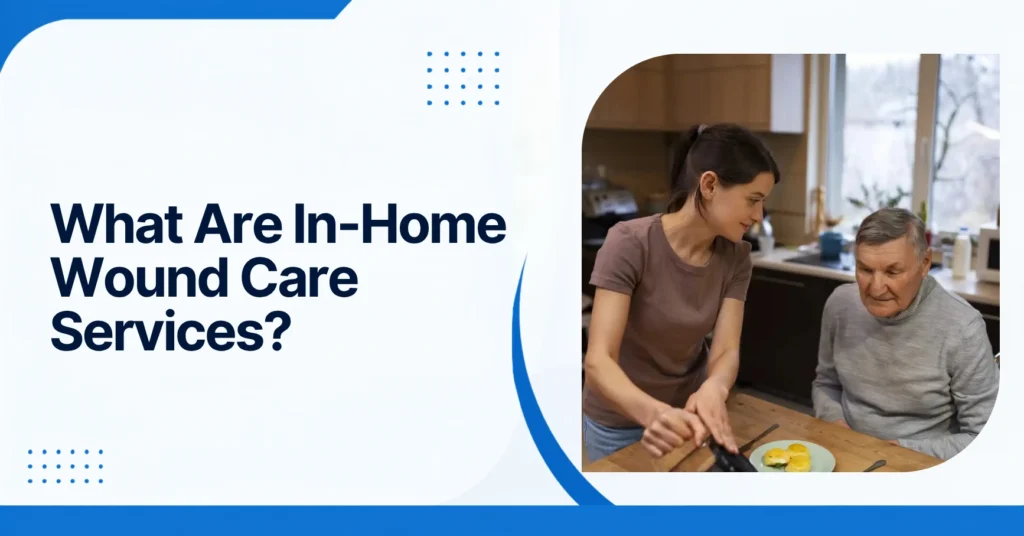
The process of healing from a wound can be difficult, especially for people who are older, those with impaired mobility, those with chronic illnesses or patients who recently returned to their home after a stay in an institution for rehabilitation or hospitalization. Regular wound care is essential to protect the area affected and aiding healing and reducing the risk of infection and ensuring patients feel at home and comfortable.
In-home wound treatment services offer expert support to patients in need of assessments of wounds, dressing changes as well as skin monitoring and other wound care healing without the need for frequent trips to the health clinic or hospital. Based on the needs of the patient and treatment plan, certified healthcare professionals at home offer wound care in a comfortable home setting, while making important adjustments known to appropriate healthcare professionals.
In Elbok Home Health Care We understand that healing from wounds requires constant care and reliable help. Our home health services are designed to ensure that patients receive the appropriate treatment at home while encouraging comfort security, independence, and continuity of health care.
What Are In-Home Wound Care Services?
In-home wound treatment services are health care services offered in the patient’s home to assist in managing and monitoring wounds as they heal. Wounds can be caused by trauma, surgery or pressure, chronic illnesses or other medical issues.
Based on the condition of the patient and the prescriptions given by their physician The treatment for wounds may include cleaning the wound and changing dressings, observing the skin, securing the wound from further injury, and checking any signs that warrant medical treatment.
The home-based wound treatment is especially beneficial for those who are unable to moving due to mobility issues weakening aged, rehabilitation needs or other conditions.
The services offered depend on the type of wound and the patient’s individual treatment plan. Professional wound care must follow the guidelines of the doctor treating the patient or any other healthcare professional who is qualified.
Why Is Wound Care Important?
The proper treatment of wounds is crucial in aiding our body’s natural healing. If a wound isn’t properly treated can cause irritation or infected, which can require longer to heal.
Professionally-trained wound care professionals can assist families and patients keep a routine of care and make it easier to recognize changes that must be reported to the healthcare professional.
Some of the most important objectives of wound treatment could be:
- Keep the wound cleaned and secure
- As per the instructions for changing dressings
- Skin protection for the surrounding area
- Examining the wound for any changes
- Assisting in a healthy healing and healing environment
- Eliminating the possibility of complications
- Promoting patient comfort
- Assisting patients to remain at home, if necessary.
The process of caring for wounds isn’t just changing a bandage. Effective treatment involves adhering to the patient’s plan of care taking note of changes, writing down relevant information as required and addressing concerns in a timely manner.
Who May Need In-Home Wound Care?
Different types of patients can require professional wound treatment at home. Healthcare professionals may suggest the use of home-based treatments for patients who require continuous wound care but doesn’t need to be admitted to an inpatient hospital.
In-home wound treatment may be suitable for
Seniors Recovering at Home
The elderly may be afflicted with injuries or wounds from surgery and falls, as well as other medical issues. A lack of mobility may also make getting to frequent appointments a challenge.
Home health care services can offer an easy way to support seniors while allowing them to rest in their own home.
Patients Recovering From Surgery
Certain surgical wounds require continuous surveillance and dressing changes following the discharge. Care at home can assist patients adhere to their instructions for wound care post-operation.
Individuals With Chronic Wounds
Certain chronic illnesses can lead in wounds that need continuous professional care. The wounds could require regular monitoring and interaction with the healthcare provider of the patient.
People With Limited Mobility
Patients who are having difficulty moving, walking, or even getting around may find at-home services more beneficial than visiting a medical center.
Patients With Pressure Injuries
Patients with limited mobility could be at a higher risk of pressure-related injuries. The treatment for them may include wound treatment, as well as strategies suggested by health professionals to lessen any pressure on the skin.
Patients With Wounds Requiring Ongoing Monitoring
Certain wounds require frequent observation to detect the appearance of changes, drainage skin aspects. Professional home care services can be an another layer of care as part of the patient’s care plan.
How Do In-Home Wound Care Services Support Seniors?
Seniors can face additional challenges in the process of wound healing. Instability, mobility limitations difficulties in traveling, and other conditions associated with age can make the management of wounds more challenging.
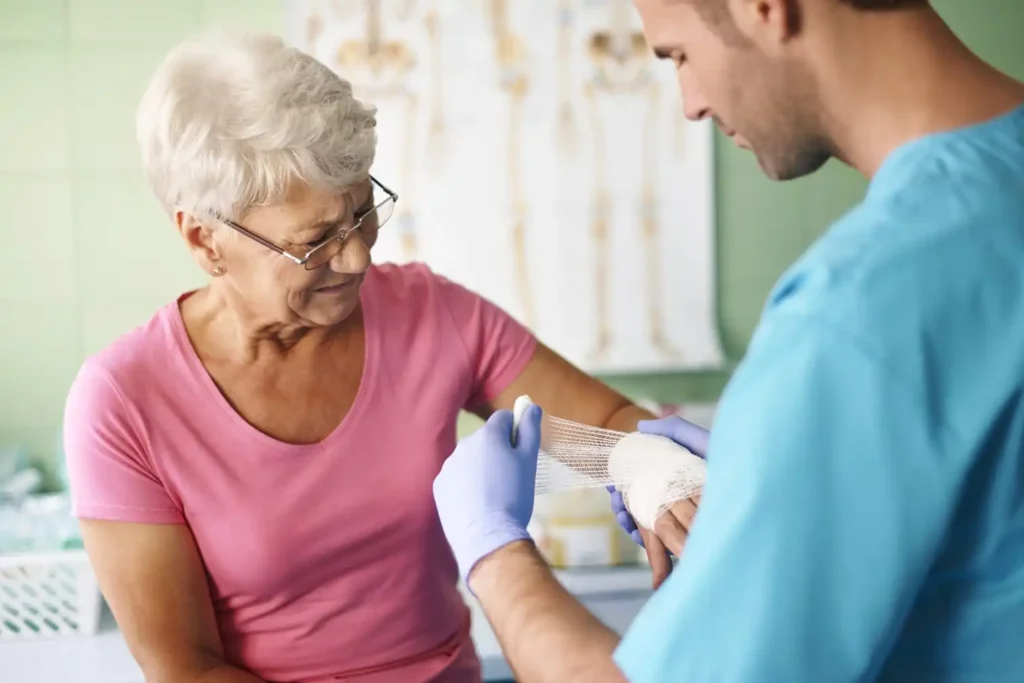
Home-based wound treatment for older adults can offer support in the comfort of their homes as well as help them adhere to their care regimen.
A healthcare professional in the home can be able to identify daily or environmental problems that may affect recovery, and may also communicate any concerns to the healthcare professional who is appropriate.
For older adults who are receiving more extensive health services at home the wound treatment can be coordinated with other treatments when they are included in the plan of care for the patient.
What Types of Wounds Can Require Home Care?
Wounds can vary in their nature, severity and treatment needs. Healthcare professionals should decide the most appropriate treatment plan based on the particular patient’s health.
Examples of wounds that might require regular care are:
- Surgery wounds
- Pressure injuries
- Tears of the skin
- Traumatic injuries
- Chronic ulcers
- Wounds that are associated with chronic diseases
- Wounds from post-procedure
- Other wounds that require dressing treatment
The type of wound treatment that is offered at home should be determined by the specific medical requirements of the patient.
What Does an In-Home Wound Care Visit Include?
The exact procedures that are performed during a appointment for wound care are based on the care plan of the patient and the experience of the health professional providing the services.
Based on the circumstances depending on the circumstances, a visit could comprise:
Reviewing the Wound Care Plan
The healthcare provider or qualified professional adheres to the guidelines set by the healthcare provider of the patient. This ensures that the care is in line with the treatment method prescribed.
Assessing the Wound
The skin and wound could be examined for changes like redness that is increased swelling, drainage, bleeding, odor or even changes in appearance.
Any significant or alarming changes must be notified to the medical professional who is in charge.
Dressing Changes
Certain wounds require regular dressing adjustments. A trained professional can assist in changing the dressing in accordance with the instructions given and infection control procedures.
Skin Protection
The skin that surrounds wounds could require extra focus. Insuring the skin around the wound can be a crucial aspect of ensuring comfort and aiding in the overall plan for wound care.
Monitoring for Changes
Regular monitoring helps to identify any changes that might require further examination. Communication and documentation can be helpful to keep the team that cares for patients up to date.
Patient and Family Education
Based on the role of the professional and the treatment plan the patient and their family members could receive instruction regarding following the prescribed wound care instructions, securing the wound and notifying any changes that need to be documented.
Benefits of In-Home Wound Care Services
A professional approach to wound treatment at home could provide many advantages for patients who qualify as well as their family members.
Convenient Care at Home
The journey to appointments can be a hassle for patients who are recovering from surgeries or who have difficulties with mobility. The availability of appropriate care at home may help cut down on unnecessary transportation.
Comfortable Recovery Environment
Home is a comfortable setting where patients can be more relaxed during their the recovery.
Consistent Wound Care
Some wounds require regular treatment. Professional home health care services will assist patients in maintaining the proper routine for wound treatment in accordance with their treatment plan.
Support for Family Caregivers
Family members may want to help, but don’t be aware of how to take care of the wound. Professional home health services may help families recognize when their concerns need to be reported to healthcare professionals.
Monitoring and Communication
Regular observation by a professional can aid in identifying changes that require to be documented. Communication early is crucial in the event that a wound appears change or heal differently in a different way than was expected.
Support for Independence
If you are a patient eligible, receiving proper care at home may aid them in their daily lives and receive assistance to meet their health requirements.
What Are Wound Care Facilities and How Can They Help Patients?
Wound care facilities are specialized healthcare settings where patients receive professional evaluation, treatment, and ongoing management for wounds that may require more advanced or frequent care. These facilities may help individuals with chronic wounds, surgical wounds, pressure injuries, diabetic wounds, or wounds that are not healing as expected. Depending on the patient’s condition, care may include wound assessment, dressing changes, infection monitoring, treatment recommendations, and coordination with the patient’s healthcare provider.
For patients who are medically appropriate for care at home, in-home wound care services can provide another option by bringing qualified support directly to the patient’s residence. This can be especially helpful for seniors, individuals with limited mobility, or patients recovering after surgery who have difficulty traveling regularly to a wound care facility.
Elbok Home Health Care provides dependable home-based support tailored to individual needs and care plans. Our services can help eligible patients manage appropriate wound care routines in the comfort of home while supporting safety, comfort, and continuity of care.
Wound Care and Chronic Health Conditions
Certain health conditions that are chronic can impact the healing process of wounds. For instance, people who suffer from diabetes might develop foot or other injuries that require careful monitoring and medical attention.
Patients suffering from chronic illnesses must follow their doctor’s instructions for wound care with care.
Home health professionals can help with an established routine. They can also track any changes that occur within the scope of the services, and report issues to the healthcare team.
Patients shouldn’t rely on the home treatment alone for wounds that require medical examination or treatment that goes beyond the care that are provided.
How Can Families Prepare for Home Wound Care?
Families can make their home visits more enjoyable by setting up an inviting, clean space in which the procedure for wound care can be carried out in accordance with the patient’s treatment plan.
A useful preparation could comprise:
- Keep prescribed wound care products on hand
- Access to the patient
- Cleaning the care area and tidy
- The sharing of relevant care instructions with the medical professional
- Maintaining a record of the current medicines available to the health team
- In keeping in contact with the healthcare professional of the patient
- Notifying the wound of any changes promptly
- Follow all instructions as prescribed.
Families should stay clear of making use of unapproved products or altering the routine for wound care without the guidance of a qualified medical professional.
Get Professional Home Health Care Support From Elbok Home Health Care
Call Elbok Home Health Care today to find out more about home health healthcare and individualized healthcare at home.
What Supplies May Be Used for Wound Care?
The supplies for wound care are dependent on the condition of the wound and the prescribed treatment plan. A medical professional can use or suggest items such as:
- Dressings that are prescribed
- Gauze
- Medical tape
- Gloves
- Materials for cleaning
- Products to protect you
- Other supplies for wounds
Every wound is different and requires the same equipment. Utilizing the wrong dressing product could hinder the treatment plan, therefore patients must adhere to the instructions of their physician.
How Elbok Home Health Care Can Help?
We are at Elbok Home Health Care We are focused on providing reliable healthcare services at home that are specifically tailored to the needs of families and individuals.
Our aim is to assist patients who are eligible receive the appropriate assistance within the privacy of their own homes, while preserving dignity, security, comfort and autonomy.
When wound treatment is mentioned in the patient’s treatment plan professional assistance can assist in the proper wound-related routines monitoring and a connection with the health care team.
Our wider range of service for home health are also available to those who require assistance with personal care, everyday activities and companionship, respite as well as other needs that are home-based.
Each patient’s needs are unique. The quality of care given must be determined by the requirements of the patient, his the instructions of the healthcare provider, and the applicable regulations.
Why Choose Professional In-Home Wound Care?
The challenge of managing a complicated wound without the right guidance or assistance could be stressful for patients as well as family caregivers.
Home care professionals can offer many benefits:
Personalized Support
Care can be planned around the individual patient’s needs and the prescribed treatment plan.
Familiar Home Environment
Patients may receive the right support without the need transport for their routine medical care.
Family Peace of Mind
Family members may also receive support when wounds become difficult to manage on their own.
Consistent Care Routine
Professional appointments scheduled regularly can assist patients with maintaining the prescribed routine for wound care.
Better Communication
Any changes that are observed during treatment can be communicated to relevant healthcare professionals if necessary.
Signs of a Wound That May Need Medical Attention
Being aware of what to look out for will help caregivers and patients respond with sensitivity to changes.
Possible warning signs to watch out for include:
- Redness that is increasing around the wound
- Growing swelling
- Unusual or recurring pain
- The Pus, or a significant amount of drainage
- Foul odor
- Chills or fever
- Increased warmth in the affected region
- Wound edges become more segregated
- Unexpected bleeding
- Skin color changes
- A more swollen appearance of the wound
These symptoms could have various causes. Not every change indicates that there is an infection. But, any symptoms that are troubling should be immediately reported to the healthcare professional treating the patient.
If a patient is experiencing serious symptoms of significant bleeding, trouble breathing, confusion or severe pain, or any other medical emergency, seek urgent medical attention rather than waiting for a routine home healthcare visit.
How to Choose In-Home Wound Care Services
Families who are looking for Home wound care services close to me should take into consideration a number of aspects prior to deciding on a home health service.
Ask About Services
Find out which wound-related treatments the service provider provides and if they meet the needs of the patient.
Understand Professional Qualifications
Find out which health professionals are providing the service and what are their obligations are.
Discuss the Care Plan
A trusted provider must follow the patient’s treatment plan and be able to communicate with the healthcare team.
Consider Communication
A good communication between family members, patients as well as the home health professional and the healthcare team can help ensure the continuity of care.
Ask About Scheduling
Assess whether the healthcare provider is able to meet the frequency and time of the recommended services for the patient.
Focus on Individualized Care
Each wound is unique. The treatment should be based on the specific patient’s condition instead of a universal treatment.
Frequently Asked Questions About In-Home Wound Care Services
Find clear answers to common questions about in-home wound care services, including who may need wound care at home, what services may include, how wound care supports recovery, and when professional medical attention may be needed. Learn how Elbok Home Health Care can provide dependable support tailored to individual needs.
1. What are home wound care services?
In-home wound treatment services offer the appropriate support for wounds in a patient’s residence according to an individual treatment plan. Services can include monitoring of wounds as well as prescribed dressing changes as well as skin monitoring and communications regarding changes.
2. Who is a candidate for home-based wound care?
Patients who have had surgery, those with impaired mobility and those suffering from ongoing or chronic injuries may benefit from the home-based approach is suitable.
3. Is it possible to provide wound care following the surgery?
Yes, certain patients need dressing monitoring and wound care following surgery. These specific procedures should be in line with the surgeon’s or health professional’s instructions.
4. Can senior citizens receive wound care at their home?
Yes. Seniors with eligibility may be eligible for home health-related services related to wounds in particular when travelling to appointments frequently is difficult.
5. How often is needing wound care?
The frequency of treatment is based on the condition of the wound, the prescribed treatment as well as the individual requirements of the patient. A healthcare professional will determine the best schedule.
6. Does home health care aid those with chronic injuries?
Home health professionals can offer the appropriate support to patients suffering from chronic wounds, as per their plans for care. In the event of a worsening or chronic wound, it is recommended to be monitored by a qualified medical professional.
7. What do I do if my wound appears to be infected?
Inform the healthcare professional of the patient promptly if there are alarming symptoms like an increase in swelling, redness and odor, fever or a worsening of pain. In the event of an emergency, severe symptoms require immediate medical care.
8. Do family caregivers have the ability to provide the task of wound care?
A few basic treatments may be suitable for family caregivers if they are properly trained by a medical professional. For complex wounds, follow the instructions of a medical professional.
9. Where can I find in-home treatment for my wounds near me?
Start by identifying local health providers in your region and determining if they provide wound-related services suitable for your particular situation. Discuss your care needs, plan, scheduling needs and professional credentials prior to selecting a service.
10. Why should you pick Elbok Home Health Care?
Elbok Home Health Care provides homes-based services that cater to the needs of individuals as well as families. Our focus is on reliable quality of care, comfort, dignity security, and personalized assistance at home.