

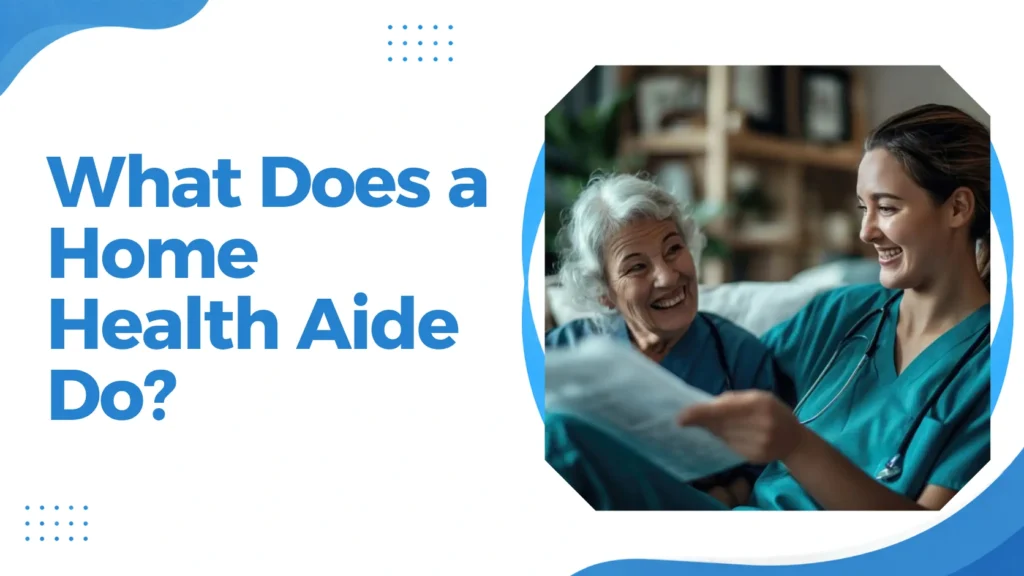
When an older adult, person recovering from an illness, or individual living with a disability needs help at home, families often ask: What does a home health aide do? A home health aide (HHA) provides hands-on support with everyday activities, personal care, mobility, and other non-medical needs so clients can remain as comfortable and independent as possible in their own homes.
Home health aides can become an important part of an in-home care plan. Depending on the individual’s needs and the services available through the provider, an aide may assist with bathing, dressing, grooming, toileting, walking, meal preparation, light housekeeping, and other daily activities.
For families looking for home health care in the USA, understanding the role of a home health aide can make it easier to determine what type of support a loved one may need.
Elbok Home Health Care provides in-home care designed around the needs and routines of individuals and families. If your loved one needs additional assistance with daily living at home, our team can help you explore appropriate care options.
What Is a Home Health Aide?
A home health aide is a trained caregiver who assists individuals with daily personal and household activities in their home. Home health aides primarily provide non-medical support, although the exact duties they may perform can depend on their training, employer, state requirements, and the individual’s care plan.
Home health aide services are commonly used by:
- Older adults who need assistance with daily activities
- Individuals recovering from illness or surgery
- People living with disabilities
- Individuals experiencing mobility challenges
- People who need additional support to remain at home
- Families who need assistance caring for an aging loved one
The goal is generally to provide practical assistance while promoting safety, dignity, comfort, and independence.
Unlike a registered nurse or other licensed healthcare professional, a home health aide does not typically diagnose medical conditions or independently provide skilled medical treatment. When skilled nursing or clinical services are required, an appropriate licensed professional may be involved as part of the overall care plan.
What Services Can a Home Health Aide Provide?
The exact services depend on the provider, care plan, client needs, and applicable state requirements.
Common areas may include:

- Personal care assistance
- Bathing and shower assistance
- Dressing and grooming
- Toileting assistance
- Mobility support
- Meal preparation
- Light housekeeping
- Laundry
- Companionship
- Daily routine assistance
- Respite support for family caregivers
Before starting services, families should discuss their specific needs with the home care provider to determine which services are available and appropriate.
What Does a Home Health Aide Do?
The responsibilities of a home health aide can vary according to the client’s needs and the provider’s care plan. However, common home health aide duties may include personal care, mobility assistance, meal preparation, companionship, and light household support.
Here are some of the most common areas of assistance.
Assistance With Bathing
Bathing can become difficult or unsafe for seniors and individuals with mobility limitations. A home health aide may provide assistance with getting ready for a bath or shower and help the client maintain personal hygiene.
Depending on the care plan and applicable requirements, assistance may include:
- Preparing the bathing area
- Helping with entering or leaving the shower
- Providing support during bathing
- Helping with towels and clothing
- Encouraging safe movement
- Maintaining privacy and dignity
Proper support can make personal hygiene easier while reducing the challenges associated with bathing independently.
Dressing and Grooming Assistance
Some individuals may need extra help choosing clothing, putting on garments, fastening buttons, or completing their morning routine.
A home health aide may assist with:
- Dressing and undressing
- Hair care
- Basic grooming
- Oral hygiene routines
- Shaving assistance where appropriate
- Putting on appropriate clothing for the weather
- Organizing personal-care items
The purpose is not simply to complete these activities for the client but, when possible, to encourage the person to participate and maintain independence.
Toileting and Personal Hygiene
Toileting can be one of the more sensitive aspects of caregiving. A professional home health aide can provide respectful assistance according to the individual’s care needs and established plan.
Support may include helping a client get to and from the bathroom, assisting with hygiene, changing protective garments when appropriate, and helping maintain cleanliness.
Because toileting assistance involves personal privacy, choosing a reliable and respectful caregiver is particularly important.
Mobility Assistance
Mobility can become challenging because of age, weakness, injury, disability, or recovery from an illness.
A home health aide may assist with everyday movement around the home, such as:
- Walking from one room to another
- Moving safely between sitting and standing
- Supporting routine mobility activities
- Helping a client use prescribed mobility equipment according to their care plan
- Providing supervision during movement
- Reducing common environmental obstacles
Mobility assistance should always follow the client’s care plan and the caregiver’s permitted scope of duties.
Meal Preparation and Nutrition Support
Preparing meals can become difficult for someone who has limited mobility, reduced energy, or difficulty standing for extended periods.
A home health aide may help prepare simple meals and snacks according to the client’s established dietary needs and preferences.
This can include:
- Preparing breakfast, lunch, or dinner
- Preparing snacks
- Organizing ingredients
- Cleaning up after meal preparation
- Encouraging regular meals
- Helping make mealtimes more manageable
A home health aide does not replace a dietitian or physician. Special diets or medical nutrition needs should follow instructions from the appropriate healthcare professional.
Light Housekeeping
Home health aides may also provide certain light housekeeping tasks that help maintain a comfortable living environment.
Examples can include:
- Tidying commonly used areas
- Washing dishes
- Changing bed linens
- Doing light laundry
- Taking out household trash
- Cleaning up after meal preparation
These services are generally focused on maintaining the client’s immediate living environment rather than performing extensive deep cleaning.
Companionship
Home care is not only about physical assistance. Many older adults also benefit from regular social interaction.
A home health aide may provide companionship through activities, such as:
- Conversation
- Reading
- Watching television together
- Playing games
- Helping with hobbies
- Accompanying the client during appropriate activities
- Encouraging social engagement
Companionship can make daily routines feel less isolating and can provide families with reassurance that their loved one has regular human interaction.
Assistance With Daily Routines
A consistent daily routine can make life easier for individuals who have difficulty organizing or completing everyday activities independently.
A home health aide may help a client follow an established routine that includes personal care, meals, mobility, rest, and other daily activities.
For individuals who need structured support, consistency can help families maintain a predictable caregiving schedule.
What Is the Difference Between a Home Health Aide and a Home Health Nurse?
One of the most common questions families ask is whether they need a home health aide or a home health nurse.
The two roles are different.
A home health aide generally focuses on non-medical assistance with activities of daily living and personal care.
A home health nurse is a licensed healthcare professional who can provide skilled nursing services within their professional scope, and applicable regulations.
Depending on the individual’s condition, a care plan may involve one or both types of professionals.
For example, an individual recovering at home might need nursing services for clinical needs while also benefiting from an aide who helps with bathing, dressing, meals, and mobility.
Understanding this distinction can help families ask better questions when arranging home health care.
Who Can Benefit From Home Health Aide Services?
Home health aide services can be appropriate for many individuals who need assistance with daily activities at home.
Seniors Aging at Home
Older adults may want to remain in a familiar home environment rather than move immediately into a residential care setting. An aide can provide assistance with everyday activities while supporting the person’s existing routine.
People Recovering at Home
After an illness, hospitalization, procedure, or injury, some individuals may temporarily need help with personal care and household activities.
A home health aide may provide practical assistance while the person works toward greater independence.
Individuals With Disabilities
People living with disabilities may require varying levels of support with personal care, mobility, meal preparation, or daily routines.
A personalized care plan can help determine the type and frequency of assistance needed.
People With Mobility Challenges
Individuals who have difficulty walking, standing, or completing household tasks may benefit from an aide who provides appropriate daily support.
Family Caregivers
Family members often provide significant amounts of unpaid caregiving. Professional home care can provide additional support and help families manage caregiving responsibilities alongside work, family, and personal commitments.
Looking for Home Health Care for a Loved One?
If you are searching for home health aide services in the USA, Elbok Home Health Care can help you explore your available care options.
Does Medicare Cover Home Health Aides?
Medicare may cover certain home health aide services, but coverage depends on the individual’s medical needs and eligibility requirements. In general, Medicare home health coverage is intended for eligible beneficiaries who need medically necessary skilled home health services and meet Medicare’s home health requirements. Home health aide services may be covered when the aide is providing personal care alongside covered skilled services.
Medicare generally does not cover home health aide services when personal care is the only type of care a person needs. For example, someone who only needs help with bathing, dressing, meal preparation, or other daily activities may not qualify for Medicare coverage of those services.
Before arranging care, families should confirm current Medicare eligibility and coverage requirements based on the individual’s specific situation. If your loved one needs ongoing assistance with daily activities at home, Elbok Home Health Care can help you explore available home care options and determine what type of support may be appropriate.
What Does a Home Health Aide Do During a Typical Day?
There is no single schedule that applies to every client because home care should reflect individual needs.
A typical day could include:
Morning:
The aide may help the client get out of bed, complete personal hygiene, get dressed, and prepare breakfast.
Late morning:
The aide may provide companionship, assist with mobility, complete light housekeeping, or help with an appropriate daily activity.
Afternoon:
The aide may prepare lunch, assist with personal care, accompany the client during activities, or support the established daily routine.
Evening:
The aide may help prepare dinner, assist with evening hygiene, tidy commonly used areas, and help the client prepare for bedtime.
The actual schedule should be based on the individual’s needs, preferences, care plan, and authorized services.
Benefits of Having a Home Health Aide
Choosing home health aide services can provide several practical benefits for individuals and families.
Supports Independence
Having assistance with difficult tasks can allow a person to continue living at home while participating in activities they can safely manage themselves.
Promotes Personal Dignity
Professional caregivers can provide personal-care assistance respectfully and privately.
Helps Maintain a Safer Home Routine
Regular support with mobility, bathing, and everyday activities may help address some common challenges that can arise when someone is living independently.
Provides Family Support
Professional home care can supplement family caregiving and provide families with additional assistance.
Encourages Consistent Daily Care
A regular caregiver can help establish predictable routines for meals, hygiene, activities, and other everyday needs.
Provides Companionship
Regular interaction can make daily life more socially engaging, particularly for people who spend significant amounts of time alone.
What a Home Health Aide Usually Does Not Do?
It is equally important to understand the limits of home health aide services.
A home health aide generally does not independently:
- Diagnose medical conditions
- Prescribe medications
- Change medical treatment plans
- Perform skilled nursing procedures outside their authorized scope
- Make medical decisions for the client
If a client requires medical care, families should coordinate with an appropriate licensed healthcare professional.
The exact scope of services can vary by state and provider, so families should confirm the duties included in their specific care plan.
For those with mobility issues who are recovering from surgery or who require extended support from a nurse, private duty nursing at home could provide a more comfortable and customized nursing in a comfortable and safe environment.
The most important thing is that home-based care places the patient’s needs in the forefront of the experience.
How to Choose a Home Health Care Provider?
Selecting a home care provider is an important decision. Families should look beyond the basic question of whether a company provides caregivers.
Consider asking:

Is the Provider Properly Established?
Ask about the provider’s licensing, credentials, policies, and experience in the area where services will be provided.
Are Care Plans Personalized?
Every client has different needs. Ask how the provider evaluates a person’s daily requirements and develops an appropriate care plan.
How Are Caregivers Selected?
Families can ask about caregiver screening, training, experience, supervision, and ongoing support.
What Services Are Available?
Confirm whether the provider offers the specific assistance your loved one needs, such as personal care, meal preparation, mobility assistance, companionship, or respite care.
How Does Communication Work?
Ask how caregivers communicate important observations and how the agency communicates with family members.
Is Care Available on a Flexible Schedule?
Care needs can vary. Ask about available schedules and whether the provider can accommodate changes when needs evolve.
Why Families Choose In-Home Care?
One of the biggest advantages of home care is that support takes place in the environment where the individual is already comfortable.
Instead of requiring someone to adapt immediately to an unfamiliar setting, in-home care can bring assistance directly to the person.
This can be particularly helpful for individuals who value familiar surroundings, established routines, and personal independence.
Home care can also provide families with an additional layer of support while allowing them to remain involved in their loved one’s care.
Home Health Aide Services With Elbok Home Health Care
At Elbok Home Health Care, we understand that every individual has different needs. Our goal is to provide dependable in-home support that helps clients maintain comfort, dignity, and quality of life at home.
Our home care services can support individuals, who need assistance with everyday activities and personal care. We work with clients and families to understand their needs and determine an appropriate care approach.
Whether your loved one needs help with personal care, meal preparation, mobility, companionship, or daily routines, professional in-home assistance can make everyday life more manageable.
Frequently Asked Questions About Home Health Aides
Find clear answers to common questions about home health aides, including their duties, personal care services, daily living assistance, companionship, mobility support, meal preparation, and how home health aide services can help seniors and individuals remain comfortable at home.
1. What does a home health aide do?
A home health aide provides assistance with everyday activities such as bathing, dressing, grooming, toileting, mobility, meal preparation, light housekeeping, and companionship, depending on the individual’s care plan and applicable requirements.
2. What is the main role of a home health aide?
The primary role of a home health aide is to provide non-medical assistance that helps an individual safely and comfortably manage daily activities at home.
3. Can a home health aide help with bathing?
Yes. Bathing and shower assistance is a common home-care service when it is included in the client’s care plan and within the caregiver’s permitted duties.
4. Can a home health aide prepare meals?
A home health aide may prepare simple meals and snacks according to the client’s care plan, preferences, and applicable dietary instructions.
5. Can a home health aide provide companionship?
Yes. Companionship may include conversation, reading, games, hobbies, and other appropriate activities that encourage social interaction.
6. Can a home health aide help with mobility?
A home health aide may provide appropriate assistance with everyday mobility according to the client’s care plan and the aide’s training and permitted scope of duties.
7. What is the difference between a home health aide and a nurse?
A home health aide generally provides non-medical personal and daily-living assistance, while a licensed nurse provides skilled nursing care within their professional scope.
8. Who needs home health aide services?
Seniors, individuals with disabilities, people recovering at home, people with mobility challenges, and individuals who need help with daily activities may benefit from home health aide services.
9. Can home health aides help family caregivers?
Yes. Professional home care can supplement family caregiving by providing assistance with daily activities and giving family caregivers additional support.
10. How do I find a home health aide near me?
Start by identifying your loved one’s care needs and then contact reputable home health care providers serving your area. Ask about caregiver qualifications, available services, care plans, scheduling, and pricing before beginning care.