

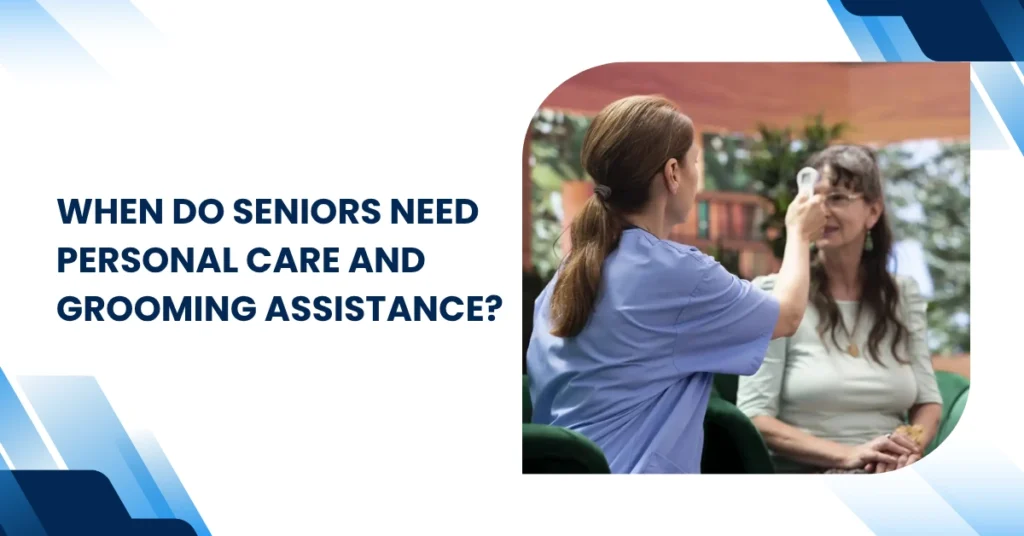
As we age, our daily routines of grooming and personal care are often more difficult. The tasks that used to be easy, such as brushing teeth, bathing shaving, combing hair off, dressing, or visiting the bathroom can become difficult due to reduced mobility, weakening or balance issues and memory impairments, among other limitations due to age.
Being aware the signs that seniors require assistance with grooming or personal care will allow families to provide the appropriate level of care while ensuring their loved ones’ dignity, comfort, security and autonomy. Assistance with personal care doesn’t necessarily mean seniors cannot be able to live on their own. In many instances just a little assistance can allow seniors to remain safe and at ease in their home.
We at Elbok Home Health Care We recognize that each senior has unique requirements. Our approach to home care emphasizes individualized, caring assistance with personal grooming and personal care routines, while encouraging seniors to remain as self-sufficient as they can.
If your parent or spouse one is having trouble with their daily grooming or personal hygiene Professional in-home assistance could be the best option.
What Is Personal Care and Grooming Assistance for Seniors?
Personal grooming and personal care assistance is the term used to describe non-medical help through essential tasks that help seniors maintain their appearance, cleanliness as well as dignity.
Based on the individual’s requirements The assistance provided could be provided in the form of:
- Assistance with showers and bathing
- Dental hygiene and brushing your teeth
- Denture treatment
- Hair brushing and hair-styling
- Shaving and grooming facial hair
- Dressing and und und removing clothes
- Toileting assistance
- Personal hygiene assistance
- Personal care related to incontinence
- Foot and hand hygiene
- Assistance with routines for skincare
- Help preparing personal care items
- Safe movement during bathroom routines
It is not the goal to be able to handle every task. Instead, a caregiver should offer the proper level of assistance, while giving the elderly the freedom to do everything they are able to accomplish independently.
For families living in America, USA, personal care at home for senior citizens is an ideal alternative for an older person who requires assistance with their daily activities but wishes to remain in an environment that is familiar to them.
What Does a Personal Caregiver Do During Grooming Assistance?
The typical support could include helping an elderly person prepare for bathing, helping in dressing, giving reminders to groom, arranging personal care products and offering support in daily hygiene tasks.
The responsibilities of a caregiver are contingent on the plan of care and the requirements of the individual.
A caregiver can also help the elderly to keep an ongoing routine.
For instance, instead of taking care of every grooming task for the elderly caregiver, the caregiver could put out a toothbrush towels, clothes as well as grooming products, and let the senior complete the tasks that they are able to comfortably manage.
The person-centered approach is a great way to in promoting dignity and independence.
When Do Seniors Need Personal Care and Grooming Assistance?
There isn’t a specific age when seniors will require personal assistance for their needs. The need for assistance is typically dependent on a person’s capabilities as well as health issues mobility, safety and the ability to carry out everyday activities.
Here are some of the most common signs that an older person could be in need of additional support.
Bathing Has Become Difficult or Unsafe
One of the most evident indications that a person may require personal assistance is having trouble bathing themselves independently.
Bathrooms pose a variety of issues for seniors. Slippery floors, slippery bathtubs narrow spaces, the necessity of stepping over the edge of a bathtub can increase the chance of losing balance.
Seniors might require help If they:
- Don’t bathe if you feel unsafe
- Are you having difficulty getting in or out of the tub
- Are you in need of help washing difficult-to-access areas?
- Tired while bathing
- Do you have trouble standing for long durations
- Need help in adjusting the temperature of water
- Unsteady in the shower.
A caregiver who is trained can provide the proper bathing or shower aid while preserving privacy and allowing the elderly to take part as much as is possible.
Personal Hygiene Is Being Neglected
Changes in hygiene practices could be a sign that an older person is experiencing difficulties with managing personal health care.
Family members may observe that an elderly person may not bathe as often or wearing the same clothing often, not remembering to brush their teeth or not attending grooming sessions.
This doesn’t necessarily mean seniors are unable to take care of themselves. They could be facing physical, cognitive or emotional issues that make the routines difficult.
Personal care aid that is consistent will help seniors keep regular hygiene habits without causing them to feel they’re no longer in control over their life.
Mobility or Balance Problems Affect Daily Grooming
The limitations of mobility can make grooming tasks challenging.
For instance for a senior using the aid of a walker may have difficulty moving without difficulty from their bathroom to the bedroom. A person with a weak body might have difficulty standing near the kitchen sink dressing or reaching for items for grooming.
Assistance from caregivers can alleviate physical strain that is not needed and offer support throughout the daytime routines.
If there are mobility issues families must also think about whether their home needs security improvements, like more lighting and grab bars, nonslip surfaces or bathroom equipment that is accessible.
Dressing and Undressing Take Much Longer
A struggle to dress is a typical sign that personal assistance could be helpful.
Seniors might struggle with:
- Zippers and buttons
- Shoelaces
- Then they pull clothes over their heads.
- Put socks on
- Making sure you wear appropriate clothing
- While getting dressed
- Controlling the clothing with mobility devices
A caregiver can assist in changing clothes and assisting seniors to complete what they can manage.
Being independent is crucial. Assistance should be based upon what the person actually requires instead of assuming unnecessary responsibility.
Oral Hygiene Is Becoming Difficult
A healthy mouth is essential all the way to older age.
Certain seniors might neglect to clean their teeth, and some may struggle using a toothbrush or handling dentures. A lack of hand strength or coordination can make tooth brushing and cleaning difficult.
A personal care attendant can remind the senior, make materials, and aid in the maintenance of oral hygiene in accordance with the needs of the senior.
Families should also be sure to maintain regular dental visits and seek advice from a dentist in case of concerns about dental health.
Grooming Tasks Are Being Forgotten
Changes in memory can affect daily grooming routines.
An older person may be unable to:
- Make sure to brush their hair
- Shave
- Change your clothes
- Cleanse your teeth
- Cleanse their face
- Use personal care products for your skin.
- Keep up with regular bathing routines
A reliable caregiver can offer gentle reminders as well as practical support.
This is particularly beneficial for older adults who can benefit from regular routines.
Incontinence Makes Personal Hygiene More Challenging
Certain older adults suffer from issues with bladder or bowel control. The management of incontinence may make hygiene issues more difficult and could require assistance.
Seniors may require assistance in changing clothes, keeping clean or making personal care products.
Since these jobs are incredibly personal, caregivers must approach them with patience, respect for privacy respect, professionalism and with respect.
Personal Care Services can aid in reducing the embarrassment and anxiety that many seniors feel in the event of needing help with their daily routines.
Chronic Health Conditions Affect Daily Activities
Certain chronic illnesses could make normal daily tasks of personal hygiene more challenging.
Seniors may experience diminished endurance, weakening, a limited mobility or difficulty in coordination. While a person may be mentally capable of performing their daily activities physical limitations can hinder them from doing it in a safe manner.
In these cases the personal care aid can help the senior to do what he can accomplish on his own.
Families must coordinate medical issues with healthcare professionals of the patient. Home care providers can assist with the daily routine, but they should not take over medical examination or treatment.
A Senior Has Experienced a Recent Hospital Stay or Injury
Following illness, hospitalization injury or significant change in mobility, seniors might require aid in personal medical.
Someone who was showering in a manner on their own might suddenly require help to get into or out of the toilet. A person who usually dresses without assistance may require assistance due to the weakness or limitation of movement.
Personal care at home can offer the necessary support needed during recovery, as well as help seniors to maintain their familiar routines.
The amount of help offered is often adjusted according to the individual’s needs.
Family Caregivers Are Becoming Overwhelmed
Sometimes the most evident indication that assistance is required is not an increase in the age of the elderly person, but an improvement in the ability of the caregiver to provide care.
The spouse and children of adult kids might be attempting to manage eating, grooming, bathing transport, household chores and obligations to their families and work.
In time, this could turn into exhausting.
Personal care professionals can offer families reliable assistance while allowing family members to spend more quality time with their beloved family members.
Personal Care Assistance Does Not Mean Giving Up Independence
A common worry among older adults is that accepting help can mean losing their independence.
In reality, a little help can help maintain independence.
For instance an older person might be able brush their teeth, but may need assistance making the necessary supplies. They might be able to wash themselves, but they need help getting in the shower. They may be able dress themselves but may need assistance by putting buttons on their socks or a button.
The role of the caregiver is to assist the person, not to perform all tasks automatically.
Elbok Home Health Care Elbok Home Health Care, personalized care can be arranged to meet the needs of the individual’s preferences routines, preferences, and level.
Benefits of Personal Care and Grooming Assistance for Seniors
Personal care assistance from a professional can offer a variety of tangible and emotional advantages.
Improved Daily Hygiene
Regular help can assist seniors to maintain their dental hygiene, bathing grooming, dressing, and bathing routines.
Greater Bathroom Safety
Help with bathing and toileting routines can help seniors to manage tasks that could be physically demanding.
Increased Comfort
Clean clothes and regular bathing, dental hygiene, hair care and proper grooming help improve your physical health and self-confidence.
Preserved Dignity
A caring caregiver is aware that the privacy of personal care is paramount. Assistance should be given in a discreet manner and according to the individual’s needs.
Support for Family Members
Professional caregivers can help alleviate the amount of responsibility that are entrusted to family members.
More Confidence at Home
If seniors are aware that assistance is readily available for everyday tasks, they will be more comfortable in their comfort zone.
Get Compassionate Personal Care Support at Home
Elbok Home Health Care is dedicated to offering compassionate, caring assistance to families and seniors who require reliable health support in their homes within the USA.
How to Know What Level of Assistance a Senior Needs
Each senior is unique. Some might require occasional reminders while others might need personal assistance.
Families can begin by observing everyday activities and ask questions like:
- Is it safe for the senior to bathe without assistance?
- Do they have the ability to be able to get in and out of the tub or shower?
- Do they have the ability to brush their teeth on their own?
- Are they able to dress and undress in a safe manner?
- Are they able to manage sanitation and hygiene?
- Do they have the ability to groom their hair and facial hair?
- Do they not remember their the routine of hygiene?
- Do they feel fatigued or unstable during the course of personal health care?
- Are family members becoming more concerned about their security?
- Is there any recent decrease in your daily activities or mobility?
If a variety of answers suggest difficulties, it could be time to talk about further support.
Personal Care at home in contrast to Moving to a care Facility
Personal care assistance is not a requirement that automatically means seniors should be moved to an assisted living facility or nursing home.
For a few older adults, assistance at home could be an intermediate level between total independence and care in a residential setting.
If they receive the appropriate support at home the elderly could be able to maintain their home-like lifestyle and receive assistance with certain everyday activities.
The most appropriate choice is contingent on the individual’s needs security, health requirements, safety preference, family and home situations.
For seniors who need help with their personal lives in lieu of constant medical supervision, at-home personal care might be worthwhile to consider.
How Elbok Home Health Care Supports Seniors With Personal Care?
We at Elbok Home Health Care We recognize the importance of personal care. It’s about more than just completing a list of tasks. It’s about helping older adults feel at ease at ease, valued, confident and loved.
Our method can be tailored to each person’s specific needs and everyday routine.
Based on the plan of care The support could consist of:
- Assistance with showers and bathing
- Assistance with grooming
- Dressing and und removing clothes
- Support for oral hygiene
- Assistance with personal hygiene and toilets
- Support with everyday routines
- Support for mobility during personal care activities
- A friendly companionship throughout the treatment
- Personal hygiene reminders
Our staff strives to provide professional and courteous assistance as they respect each individual’s privacy and dignity.
A personalized plan of care is developed based on the needs of the patient and any the applicable medical prescriptions.
Why Families Choose In-Home Personal Care
Families can have greater peace of mind knowing their loved ones receive respectful assistance with daily hygiene, grooming, bathing, dressing, and other personal care needs.
Familiar Surroundings
Seniors can benefit from support in the same environment they are familiar with and feel comfortable in.
Personalized Attention
The care can be planned around routines that are specific to each individual and their preferences.
Flexible Support
Families are able to explore care plans according to the level of assistance needed.
Family Peace of Mind
Being aware that a trusted caregiver is there can help ease the amount of stress families face when an adult starts to require additional assistance.
Dignity and Respect
Personal care can be provided in a private and confidential manner and with the senior being involved in all decisions as often as is feasible.
When Should Families Start Personal Care Assistance?
Families don’t necessarily have to wait until they have a serious issue to seek help.
If you notice a few minor changes, such as skipping showers, having trouble dressing, a decline in hygiene habits, safety issues, or a growing dependence on family members — it may be a good idea to consider the options for personal care.
Early support can aid in establishing the habit of a regular routine before difficulties become more difficult.
The aim is not to conclude that all seniors require the same level of assistance. Instead, families should be able to identify certain tasks that require assistance to make everyday life safer and simpler.
Tips for Discussing Personal Care With an Aging Parent
The topic of personal hygiene isn’t always easy.
An older person may feel insecure or embarrassed in the event that family members suggest they may need assistance.
Take a look at these strategies:
Focus on Safety and Comfort
Instead of telling them, “You cannot take care of yourself,” simply explain that you’d like to make grooming and bathing more convenient and secure.
Respect Their Choices
The senior should be able to participate in the decision-making process regarding the manner and frequency of help.
Start Small
If the whole personal care experience is overwhelming, start with the two or three tasks that cause the most stress.
Emphasize Independence
Explain that receiving help is not a sign of letting go of the independence. Assistance can be provided to assist with those activities that are becoming difficult.
Consider Professional Help
A professional caregiver can be easier for an older person to accept than relying completely on the family member.
Frequently Asked Questions About Senior Personal Care and Grooming Assistance
Find answers to common questions about senior personal care and grooming assistance, including bathing, dressing, hygiene, grooming, and maintaining independence at home. Learn how compassionate in-home care can support seniors while providing families with greater comfort and peace of mind.
1. What is the best time for seniors to receive personal care and grooming services?
Seniors may require personal care and assistance with grooming when they are unable to safely complete the tasks of bathing and dressing, toileting grooming, or oral hygiene or other routines that are part of their daily lives. Any changes in strength, mobility of balance, memory or endurance could indicate that additional assistance may be helpful.
2. What kind of personal care are available to seniors at the home?
Based on the care plan and the provider Personal care can include bathing aid as well as grooming, dressing, getting dressed, oral hygiene assistance and toileting assistance, personal hygiene support, as well as assistance in with daily routines.
3. Do you think that needing help grooming imply that an older person has lost their independence?
No. Seniors may require assistance with certain tasks. Helping with difficult tasks while giving the person the ability to do tasks that they are able to manage will help maintain independence.
4. How can personal care aid increase the safety of seniors?
Caregivers can help when performing activities that require mobility issues or balance like showering, bathing, dressing or bathroom habits. This will help seniors to manage these activities in a safer way.
5. Do personal care aids help those who are in hospital?
It might. Certain seniors require additional help in daily activities following illness, hospitalization or accident. Families should adhere to the individual’s medical treatment plan and discuss medical issues with the appropriate healthcare professionals.
6. How often should seniors receive assistance with personal care?
The right frequency is contingent on the abilities of the senior and requirements. Certain people might require assistance on occasion, whereas others could benefit from routine support. A customized assessment will assist in determining the most appropriate treatment schedule.
7. Do caregivers assist in showering and bathing?
Personal care attendants can help elderly with showering and bathing in accordance with the assistance provided by the service provider and the individual’s plan of care. The assistance can be customized to a person’s level of privacy, mobility, comfort and degree of independence.
8. What are the signs that indicate an elderly parent requires assistance with grooming?
The signs could include wearing dirty clothes, not the bath, ignoring the importance of oral hygiene, having difficulty brushing your hair, struggling with shaving, not going to using the restroom, or feeling physically exhausted while grooming.
9. Do you think that personal care at home is an a viable option to replace assisted living?
For some senior citizens the personal care at home can be an alternative to entering an assisted living facility if the primary need is aid with their daily activities, and they could otherwise be safe at home. Each case should be considered in a separate manner.
10. How can I arrange for personal care for my elderly loved one?
Begin by identifying everyday activities in which your loved ones require assistance. You can then contact a reputable home care service such as Elbok Home Health Care to discuss the needs of the senior as well as the preferred schedule and any personal care options available.