

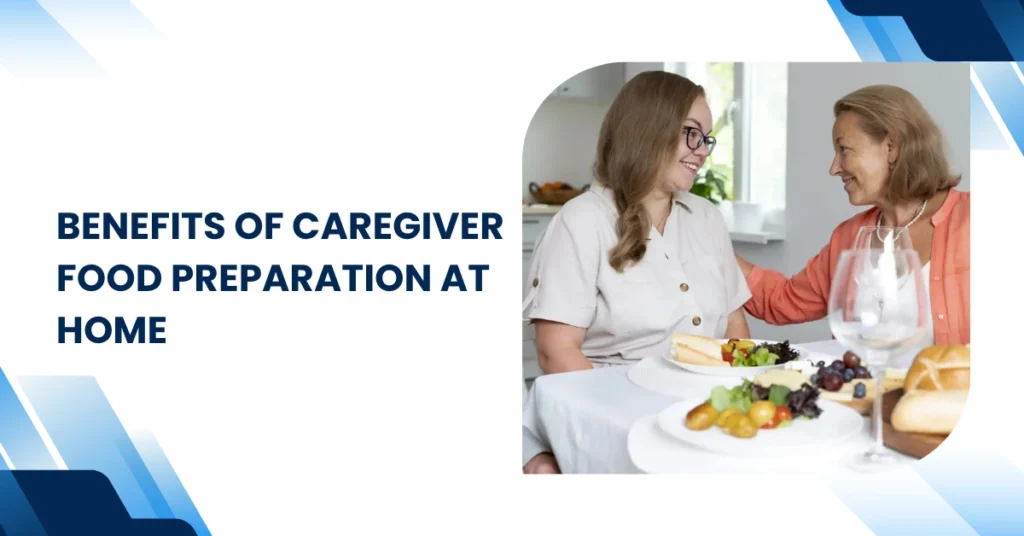
For many older adults, cooking meals at home can be more difficult. Being in the kitchen for extended periods of time, cutting vegetables cooking, lifting cookware recipes, searching for ingredients or cleaning up afterward could be difficult due to the effects of age, mobility issues and fatigue, as well as other issues that arise in everyday life. If preparing healthy meals becomes difficult senior citizens may start skipping meals, and relying on convenience food items, or consuming less food than they really need to.
Food Preparation by a caregiver from home can offer practical assistance in helping older adults keep their routines that they have grown accustomed to and continue living in their home. The caregiver can help in making meals, preparing ingredients for cooking and serving meals. They can also assist with doing light kitchen cleaning. This kind of help will make life easier for the elderly and offer families greater security.
In Elbok Home Health Care We understand the importance of food preparation more than placing food in the kitchen. A consistent meal plan can be a major contributor to a senior’s routine as well as independence, comfort, and overall health. The home-based care we offer is designed to offer an individualized service in a comfortable home setting while respecting each individual’s personal preferences and routines.
If you know someone who has difficulty cooking meals, professional home assistance for caregivers is worthwhile to consider.
What Is Caregiver Food Preparation at Home?
Food preparation for caregiving at home is a form of home caregiving in which caregivers help an adult with the tasks associated with eating. Based on the needs of the individual and the extent of assistance the assistance could include meals planning, grocery preparation washing and cutting of ingredients cooking, heating dishes, serving meals and cleaning up following the meal’s preparation.
The aim isn’t necessarily to manage every aspect of a senior’s daily routine. Instead, caregivers can provide the necessary assistance, while also encouraging the adult to be involved in the decisions and activities as often as it is safe to do so.
For instance an older person could decide what food they would like to eat while a caregiver takes care of difficult task of cooking. A senior could also take part in easy tasks like making food or setting up the tables, while the caregiver handles the cooking and cleaning.
This approach to flexibility helps to maintain independence while reducing physical demands of food preparation.
Common Food Preparation Tasks a Caregiver May Assist With
Based on the person’s care plan and the availability of services the meal preparation for caregivers could comprise:
- Making simple meals based on the preferences of seniors
- Making meals, breakfast, dinner or snack foods
- Washing fruits and veggies
- Chop or slice ingredients
- Making sandwiches and salads
- Cooking simple meals
- Reheating food that has been prepared
- Food portions for later use
- The organization of food items in the refrigerator
- Making meals in advance
- Making meals ready for service
- Clean up of kitchen dishes as well as surfaces following cooking preparation
- Encouraging regular mealtimes
- In establishing the habit of eating a consistent breakfast every day
A caregiver cannot replace the role of a registered dietitian, physician or any other medical professional. If a senior is suffering from medical conditions that require an individualized diet, the family should adhere to the guidelines provided by the healthcare professional who is responsible for that.
Why Is Food Preparation Important for Seniors?
Regularly eating as well as having accessibility to healthy food items that are nutritious are essential elements of ensuring your health and well-being. However, older adults may face issues that make cooking difficult.
The weaker muscles could make lifting pots and pans a challenge. A lack of mobility can make sitting at the countertop in the kitchen uncomfortable. Changes in vision could make reading labels or making recipes more difficult. In addition, fatigue could make grocery shopping and cooking seem difficult.
If these issues arise the food preparation process may decrease in consistency.
A person over 50 who was once enthusiastic about cooking can now find themselves ordering takeaway often, eating pre-packaged meals eating out less often, or having family members take care of each meal. A professional home care assistant will help overcome some of the issues related to cooking meals.
What Does a Typical Meal Preparation Visit Look Like?
The time spent by caregivers in food preparation may differ based on the needs of the senior.
A typical visit may start by discussing what the elderly person would like to consume. The caregiver could then collect the items, cook food items, cook the meal before serving it.
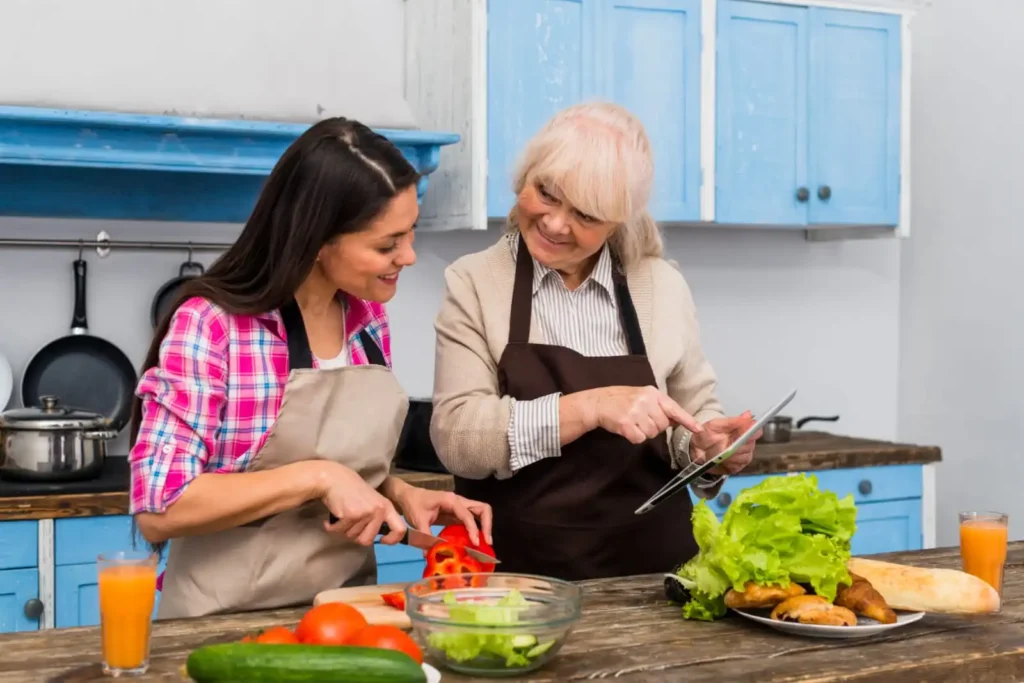
After that, the caregiver could do the necessary kitchen cleanup.
For those who are active and enjoy it with others, caregivers can facilitate to take part in activities that are safe and simple.
A visit may look something like this:
Step 1: Talk about your preferences
The caregiver asks the senior what they would like to consume.
Step 2: Prepare ingredients
The person who is caring for the child washes cut, cleans, measures and then organizes the food items according to what is needed.
Step 3. Cook the meal
The caregiver cooks the food according to the senior’s preferences and any other applicable guidelines.
Step 4 Dispose of the meals
The meal is prepared and served in a way that the senior is able to eat in a comfortable way.
Step 5: Complete light cleanup
The caregiver takes care of cleaning the appropriate meals-related dishes and cleans the kitchen tidy.
Step 6: Make preparations for the meal to come.
If needed when needed, additional food can be cooked and then stored for use later on.
10 Major Benefits of Caregiver Food Preparation at Home
The words nurse-in-home or the term “home health” are frequently used interchangeably, however they could refer to different types of services.
Traditional, skilled home health services typically require scheduled visits from health professionals to provide specific services. The frequency and length of visits are determined by the requirements of the patient as well as their treatment plan.
Private duty nursing On the other hand typically involves longer or more frequent individual nursing treatment for people who have ongoing medical issues.
For instance, a patient may require a nurse some hours every day because of their medical needs. In another scenario patients may require frequent visits from a skilled nurse.
The right level of care will depend on:
- Medical conditions
- Physician orders
- Nursing tasks that are required
- Frequency of the
- Safety of patients is a priority
- Caregiver availability
- Payer or insurance requirements
- State-specific regulations
A professional assessment will assist in determining what type of home-based care is best for you.
Supports Consistent Mealtimes
One of the main advantages of food preparation by caregivers at home is that it helps seniors keep a regular eating habits.
If preparing an eating plan is physically exhausting older adults might delay eating or even skip eating completely. A caregiver who is available to assist with meal preparation could assist in maintaining regular lunch, breakfast dinner, snack, and breakfast routines.
A routine that is consistent can make the day seem more planned and more predictable.
For those who are living on their own and require help from a caregiver, having someone assist in the kitchen can be an additional chance for human interactions during a crucial part in the course of the day.
Makes Healthy Meal Preparation More Convenient
Making nutritious meals usually requires several steps. The ingredients must be purchased cleaned, washed cut, cooked and stored in a safe manner. These chores can be difficult for those with difficulties with mobility or strength.
Food preparation for caregivers can help reduce the physical strain that comes with these types of activities.
Instead of having to cook the entire meal by themselves seniors can seek assistance in the areas which have become challenging. It can make cooking at home more practical and efficient.
Families are also able to discuss their preferences for food with the caregivers so that meals are more in sync with the seniors’ routines and tastes.
Helps Seniors Remain at Home
Many older adults wish to remain in their homes the longest time possible. The familiar surroundings can give them the comfort, independence, as well as an assurance of control over daily life.
A lack of ability to cook meals does not necessarily mean a person needs to be moved to a care facility.
Support for caregivers at home can help with specific issues that arise in daily life and allow the senior to remain in their home surroundings.
For some families food preparation and home care is a part of an overall home-based care program designed to assist seniors in their age.
Reduces the Physical Demands of Cooking
The process of cooking can require standing or bending down for ingredients cooking equipment, lifting cookware and changing between different areas in the kitchen.
They can be tiring or even difficult for older adults.
The caregiver may assist with physical demands while allowing the senior take part in the aspects of food preparation they are able to safely handle.
For instance, a older person might decide to cook to cook the meal and assist in the preparation process while the caregiver takes care of heavier cooking equipment or more physically demanding tasks.
This can help to make the routine of cooking easier to manage.
Provides Companionship During Meals
Food preparation and meal times can also be a great opportunity to socialize.
For seniors who live on their own, the act of preparing and eating food without company can be a lonely experience. The caregiver can offer an informal conversation and social connection in addition to helping with meal-related tasks.
It doesn’t mean that the caregiver should be replaced by family members. However, it is possible for caregivers to be a way to add a social connections to seniors’ day.
The combination of meal assistance and companionship can make daily routines more enjoyable and enjoyable.
Helps Families Manage Caregiving Responsibilities
Family caregivers are often eager to offer as much help as they can, however, managing work, family obligations traveling, caregiving, and travel can be difficult.
The preparation of meals is among the tasks that require your attention each day.
A professional caregiver’s assistance will help families to with these duties. In lieu of family members having to cook every meal on their own A caregiver at home can help with cooking tasks.
This gives family caregivers greater flexibility and help ensure your loved one receives constant assistance at home.
Encourages Greater Independence
Professional home care doesn’t need to mean doing all the things for seniors.
In reality, effective caregivers can concentrate on assisting the elderly’s capabilities instead of unnecessarily removing the control.
For instance the caregiver could request:
“What would you like to have for lunch today? “
The person who is older makes the decision and the caregiver helps with the preparation.
This allows an older person to be involved in daily choices.
When it is appropriate and safe engaging in activities can aid seniors in maintaining their independence and freedom of decision-making.
Helps With Meal Planning and Organization
Food preparation is simpler if meals are planned out in advance.
A caregiver can help arrange easy meals that are based on the individual’s preferences and family routine. Making certain meals in advance will reduce the amount of food preparation required for each meal.
For instance, a caregiver might prepare several portions of a suitable meal, so that portions can be kept and heated later.
Families must follow safe food handling and storage procedures, particularly when cooking meals in advance.
Can Make Everyday Life More Comfortable
Even small daily problems can have a profound impact on how comfortable a person is at home.
If cooking is difficult, the person may not enjoy eating meals as much. If the process of grocery shopping and kitchen cleaning are exhausting it is possible that they will not cook at all.
The assistance of caregivers can help ease some of the everyday burdens.
Being able to have someone on hand to assist you make a home cooked meal will make your daily routine more easily manageable and more comfortable.
Gives Families Greater Peace of Mind
One of the greatest benefits of professional support at home is the peace of mind that a loved one is assisted with essential daily routines.
Families might be concerned that an older person is having difficulties in preparing meals on their own. They might wonder if the elderly person eats regularly or if cooking has become physically demanding.
The arrangement of food preparation for caregivers at home may help alleviate these issues by offering practical support within the senior’s daily routine.
How Caregiver Meal Preparation Can Support Aging in Place?
Aging in a home is the act of living in a home that is familiar and community, rather than relocating into a care facility simply because some daily tasks are becoming difficult.
For a lot of seniors, staying at home is contingent on receiving assistance for specific tasks.
The preparation of meals is usually one of the activities.
Seniors may be able to handle the daily routine without assistance, but may have difficulty cooking. Instead of assuming the need for residential assistance is instantly needed, families could think about whether specific home care assistance can address the specific issue.
Caregiver meal assistance could be part of a customized plan, which could also include Personal Care, companionship and light housekeeping or any other support that is non-medical and appropriate.
The aim is to assist the person feel comfortable and secure while maintaining the most independence that is feasible.
Who Can Benefit From Caregiver Food Preparation?
Food preparation by a caregiver can be beneficial to older adults who
- Do you have trouble standing for prolonged time
- Feel less mobile
- Are you having difficulty lifting cookware
- Chopping and food preparation difficult
- Find it difficult to plan meals
- Do not feel as comfortable You no longer feel at ease
- I am a single person and would love friendship
- Need help to maintain routines
- Would rather stay at home
- Are family caregivers of the deceased who require more assistance
Every senior is unique. The level of care needed is determined by the person’s needs and abilities preferences, and the overall plans for care.
Looking for Caregiver Food Preparation at Home?
Get in touch with Elbok Home Health Care today to find out more about our services for in-home care and to discuss how meals and support for daily living can assist your loved ones live more comfortable within their own home.
Caregiver Food Preparation in comparison to Meal Delivery
Meal delivery and meals can assist seniors with access to food, however they offer various forms of support.
Meal delivery typically involves delivering ready-to-eat food to someone’s home.
Caregiver food preparation requires the caregiver helping in the preparation of meals at home.
For those who require assistance in the kitchen, organization kitchen tasks, help with their daily activities, a caregiver in-home can be more than getting a meal delivered.
The best choice is contingent on the needs of each person and their preferences.
How to Choose a Home Care Provider for Meal Preparation?
Families who are looking for the assistance of a caregiver to prepare meals at home must consider a variety of factors before deciding on a caregiver.
Look for Personalized Care
The preferences of a senior’s diet routines, habits, and capabilities are distinctive. Check with the provider to see if they offer individualized support instead of one-size-fits-all.
Ask About Caregiver Qualifications
Families must be aware of the types of supervision and education caregivers receive, as well as what meals-related tasks they are allowed to carry out.
Consider Reliability
Preparing meals is an ongoing requirement. A dependable provider must be able to communicate clearly and follow clear time-management procedures.
Prioritize Respect and Dignity
Caregivers must respect the seniors’ choices and encourage independence when feasible.
Discuss the Complete Care Plan
The preparation of meals is just one of the aspects of a senior’s requirements. Find out if the caregiver can provide additional support at home when the needs shift.
Caregiver Food Preparation In Comparison To Family Caregiving
Family members are a key part of caring for elderly loved ones. However, caregiving for families is often a burden when food preparation has to occur every day.
Professional home care services can enhance the involvement of your family.
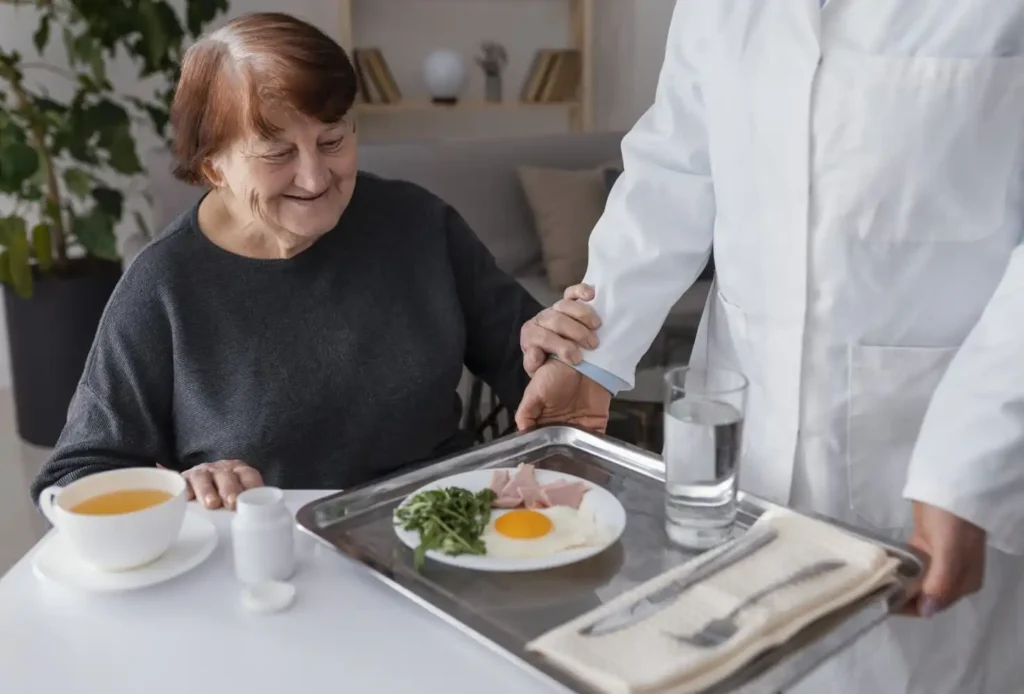
A caregiver could handle regular meal preparation, while the family members concentrate on spending moment with the beloved ones.
This could result in an environment that is more sustainable for caregiving.
In lieu of the family being held accountable for each day’s chore it is possible to share responsibilities in a way that is appropriate.
Why Families Choose Elbok Home Health Care?
We are at Elbok Home Health Care We believe that older adults require a caring and compassionate approach which respects independence as well as their individual routines.
Our approach to home care concentrates on helping clients stay at ease in their surroundings while they are assisted with daily routine.
Our caregivers are able to provide assistance with routines related to meals and other routine tasks, in accordance with the needs of each client and the care plan.
Our Approach Includes:
- Caregiving support that is compassionate and respectful.
- Individualized assistance
- Assistance for routines of daily life
- Aid with meal preparation when is part of the health plan
- Companionship
- Help tailored to individual preferences
- Communication with family members regarding the care needs of children
- The focus is on dignity, comfort, and self-reliance
We recognize that selecting the right home care provider is a crucial choice. Families want to feel confident that their loved ones will receive reliable and caring help.
This is why our aim is to make home-care feel comfortable, practical and focused on the person.
When Should You Consider In-Home Meal Preparation Assistance?
It could be time to think about caregiver food preparation if observe that your loved one:
- Most often, one skips meals
- Frustrations with cooking on their own
- Finding grocery preparation exhausting
- Doesn’t like standing in the kitchen
- A lot of its reliance is on convenience or packaged foods
- No longer enjoys preparing meals
- Doesn’t have a problem keeping the kitchen tidy
- It is difficult to establish a regular food routine
- Individuals who live on their own and could be benefited by the company of a friend.
- Depends a lot on the family to help with everyday meals preparation
These indications do not automatically suggest that an elderly person requires an extensive amount of home care. It could be that a specific assistance may simplify daily life.
Frequently Asked Questions About Caregiver Food Preparation at Home
Find clear answers to common questions about caregiver food preparation at home, including meal planning, cooking assistance, senior independence, companionship, and how in-home meal support can make daily life easier for older adults.
1. What is the role of caregiver food preparation at home?
Food preparation for caregivers at home requires assistance with the everyday tasks associated with meals like creating meals, making ingredients and preparation, and serving meals and carrying out proper kitchen cleanup. The services are dependent on the caretaker and the person’s health plan.
2. Are caregivers able to cook meals for the elderly?
Yes, caregivers can assist with meal preparation as part of their in-home care. The specific tasks that caregivers will perform will depend on the care provider as well as the care plan of the individual and the the applicable rules and regulations.
3. How can meal preparation at the home can benefit seniors?
Meal preparation at home can help reduce the physical demands of cooking, help maintain the same routine, encourage independence, encourage companionship and assist seniors in living in comfort at home.
4. Does a caregiver cook meals in advance?
According to your care program and arrangement, the caregiver can prepare portions of meals in advance. A proper handling of food and storage, refrigeration, and reheating procedures should be observed.
5. Are caregivers able to assist in the preparation of meals for grocery shopping?
Certain home care arrangements could provide assistance in food preparation or arranging ingredients. The specific services offered will vary based on the service, so families are advised to discuss their requirements during the consultation for care.
6. Are meal preparations a benefit for people who live on their own?
Yes. Along with practical help in cooking, visits from caregivers can offer friendship and interaction that can make everyday routines more enjoyable.
7. Does meal preparation by caregivers encourage independence?
It could. Caregivers can aid in difficult tasks and allow seniors to choose their own activities and engage in safe activities. This will help maintain an underlying sense of control as well as independence.
8. Can caregivers cook special meals for their clients?
Caregivers might be able to cook meals following the established dietary guidelines if this is part of the care plan as well as within the caregiver’s responsibilities. Seniors who have medical requirements for dietary restrictions must follow the advice of their medical professionals.
9. How often is it possible for seniors to receive help with meal preparation?
A frequency for home health visits will depend on the patient’s needs, the care plan, availability for scheduling, and the arrangement of services. A provider can discuss appropriate scheduling during an initial consultation.
10. What can I do to arrange for food preparation for my caregiver loved child?
Begin by calling a reputable home care service such as Elbok Home Health Care. Discuss the routine of your loved one’s day and food preparation issues preferences, as well as any other needs for support so that an suitable health plan for them can be developed.