

Aiding an older person with toileting is a vital aspect of home care for seniors. As they age, physical limitations and balance issues, weakening chronic illnesses or cognitive impairments may make the use of the bathroom independent of their own more challenging. The right help can allow seniors to remain in a comfortable position while maintaining their hygiene at home, lower falls, and protect their dignity.
Families frequently ask, “How do you assist an elderly person with toileting?” The answer is contingent on the senior’s mobility, health issues as well as the bathroom’s setup and degree of independence. Some seniors may just require reminders and help on standby, whereas others may require hands-on assistance getting to the bathroom moving safely, washing themselves, changing their clothes or coping with incontinence.
Professional caregivers are able to provide individualized toileting services with respect for the seniors privacy and personal preferences. Elbok Home Health Care we aim to provide older adults with steady support in the comfort in their home.
What Is Elderly Toileting Assistance?
Toileting assistance for seniors is that helps an adult safely use the bathroom and maintain their personal hygiene. Based on the needs of the person it could be as simple as aiding the senior to walk into the restroom, getting from a walker or a wheelchair to the toilet, changing clothes, offering hygiene assistance and changing the incontinence product and then returning safely to bed or a chair.
Toileting assistance is usually provided in the personal and home health services.
The amount of assistance must always be determined by the things that an older adult is able to comfortably do on their own. Promoting independence is essential as doing the right tasks on their own will help build confidence and increase mobility.
For instance, one senior might only require the assistance of a caregiver for safety reasons, whereas a different senior may need a significant amount of help with transfer and hygiene.
Why Toileting Assistance Is Important for Older Adults?
Utilizing the bathroom can be difficult with the passage of time. A decrease in strength, balance issues as well as arthritis, restricted mobility and vision impairment memory issues, and other aging-related issues could make a typical bathroom visit more difficult.
A professional toileting service can assist with a range of issues.
Supports Bathroom Safety
Bathrooms are often a source of risk factors for falling, including slippery floors, slippery floors narrow spaces, as well as difficult transfer. A caregiver can provide the right assistance to seniors and assist them to use the bathroom safely.
Helps Maintain Personal Hygiene
The proper hygiene of toilets is crucial to ensure comfort and cleanliness. Assistance can help seniors clean themselves properly after using the toilet, and change clothes or products for incontinence whenever needed.
Protects Dignity and Privacy
Toileting is a personal thing. Some seniors are embarrassed by having to help. A caring caregiver should offer aid in a discreet and respectful manner while allowing the senior to accomplish all of this task independently as is possible.
Reduces Family Caregiver Stress
Family members might find the need for toileting help physically and emotionally difficult especially if care is required multiple times during the day. Home care professionals can provide steady support and allow family members to concentrate on the relationship they have with the person they love dearly.
Encourages Independence
Assistance doesn’t always require doing everything for the elderly. The caregiver can help the senior to do safely on their own and assist only in the event of need.
How Often Should an Elderly Person Be Helped With Toileting?
There is no universal bathroom routine for all older adults.
The bathroom requirements can differ according to:
- Age
- Mobility
- Fluid intake
- Medications
- Medical ailments
- Bladder and function of the bowel
- Cognitive abilities
- Incontinence
- Individual routines
Certain seniors might be benefited from reminders on a regular basis and scheduled visits to the bathroom while others may require assistance when they request it.
A customized care plan may assist in creating a suitable routine.
How to Assist an Elderly Person With Toileting Safely?
Every senior has their own capabilities and needs for care. This general guideline will help caregivers provide toileting assistance in a safe and respectful manner.
Explain What You Are Going to Do
Before you offer assistance in person Explain the procedure before providing assistance to the older person.
For example, you might say:
“Let’s take a trip to the toilet. I’ll be close by and will help you if you need my help.”
Communication that is clear helps seniors be aware of what is taking place and reduces anxiety.
Do not rush the person. Give them the time to respond and take part.
Encourage the Senior to Do What They Can
Ask an older adult what they can do for themselves.
For instance senior citizens may be in a position to:
- Take a walk to the bathroom a walking walker
- Sit down and turn around on the toilet.
- Change clothing
- Make sure they are clean
- Cleanse your hands
- Stand and stand with your support
- Return to the chair
Giving seniors the ability to do safe tasks on their own can help promote confidence and independence.
Prepare the Bathroom
Before a senior can use the bathroom, ensure the bathroom is secure.
Verify that:
- The flooring is clean.
- The paths are clearly defined.
- Ample lighting is available.
- Mobility equipment is placed in a safe manner.
- Grab bars are available whenever they are they are available.
- All the necessary hygiene items are readily available.
- It is easy to manage clothing.
- The toilets are well-maintained.
A well-organized bathroom makes toileting safer and easier.
Assist With Walking or Mobility When Needed
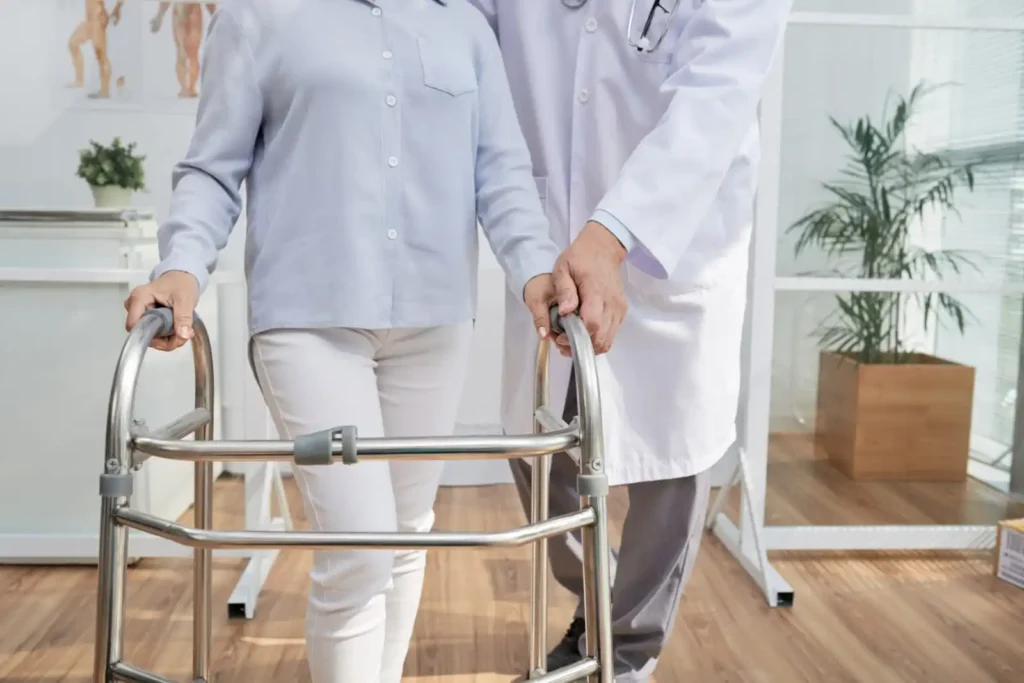
If a senior is using a cane, walker, or wheelchair, offer assistance in accordance with their health plan and their capabilities.
Do not pull or suddenly move the elderly. Provide clear instructions and give sufficient time between each move.
If a person is not able to walk safely into the restroom, a bedside commode or any other device could be considered, with help by the individual’s health care team.
Assist With the Transfer
Transfers are among the most essential aspects of providing safe toileting services.
Seniors may require help in moving:
- A wheelchair or a toilet
- A walker’s journey to the bathroom
- From sitting to standing
- From the toilet to a walker or wheelchair
Caregivers should adhere to the correct transfer methods and the specific care instructions for the senior.
Don’t attempt to transfer that isn’t in line with your experience or that is not in the established safety protocol. If someone needs specific lifting equipment or physical assistance, qualified experts should take charge of the circumstance.
Provide Privacy
When the senior is securely in their place, provide all the privacy that their security allows.
A caregiver can be present in the event that the patient is in danger of falling, getting confused, or requires immediate help. However, privacy should be maintained whenever it is possible.
Making sure you knock before entering while explaining every step and requesting permission prior to providing personal assistance are a simple way to ensure dignity.
Assist With Hygiene
After a bathroom visit it is possible that the elderly person will need help in cleaning.
Based on their skills It could be:
- Toilet paper or other cleaning items
- Assisting with cleaning as needed
- Changes in the products of incontinence
- Helping to organize clothing
- Examining for obvious hygiene issues
- Helping handwashing
Personal hygiene must be dealt with in a manner that is respectful and does not make the senior feel embarrassed.
Help With Clothing
Senior adults suffering from limitations in mobility, weakness, arthritis, mobility, or a lack of flexibility might have difficulty with belts, zippers, buttons or other fasteners for clothing.
Caregivers can offer the appropriate support and encourage the elderly to handle whatever it is they can comfortably manage.
The ease of wearing comfortable clothing that have elastic waistbands or convenient fasteners can make toileting more convenient for some senior citizens.
Encourage Handwashing
The act of washing your hands after a toilet visit is a vital aspect of maintaining personal hygiene.
Help seniors access:
- Soap
- Water running
- A dry towel
- Drying equipment for hand
If a senior is having difficulty standing in the sink, a suitable adaptation can help with hand hygiene.
Assist With Returning to a Safe Position
When the toileting has been completed After the senior has finished, ensure that he or she is able to safely return to their bed, chair or another location they have planned to go to.
Don’t leave a senior sitting unattended when they’re at risk of falling.
How to Assist an Elderly Person Who Has Difficulty Walking to the Bathroom?
Limitations in mobility are among the main reasons that seniors require assistance in toileting.
If walking is a challenge, caregivers should take into consideration the plan of mobility for the senior.
Based on the needs of the individual The most effective strategies could be:
- Maintaining a clear path to the bathroom
- Improved the nighttime lighting
- Utilizing the prescribed mobility equipment properly
- Installing grab bars that are suitable
- Utilizing a toilet seat that is raised as soon as it is suggested
- Affording supplies that are frequently used close by
- Consider a commode at the bedside when it is appropriate
- The bathroom is staffed with a scheduled assistance
Families should seek the advice of qualified health professionals prior to making major modifications to mobility or transfer procedures.
Toileting Assistance for Seniors With Incontinence
Urinary or bowel issues can make toileting more difficult and cause embarrassment for older adults.
Caregivers must approach incontinence with a sense of patience and without judgement.
Support can consist of:
- Bathroom reminders scheduled for the future
- Assistance in getting to the restroom
- Making changes to protective items
- Cleaning up after the accident
- Change clothes that have been soiled
- Maintaining skin cleanliness
- Supplying the necessary items
- Offering emotional reassurance
Regular toileting can be beneficial for a few seniors particularly those whose cognitive or memory impairments can make it difficult for them to understand that they need to go to the bathroom.
Incontinence that is persistent or recently developed must be addressed with a medical specialist as changes in bladder or bowel routines may indicate a underlying health issue.
Toileting Assistance for Seniors With Dementia
Dementia patients may be confused about which bathroom to use located, forget to make use of the toilet or struggle to communicate in situations where they require assistance.
Caregivers can assist by ensuring the same routine.
The most helpful approaches could include:
- With simple steps
- Providing gentle reminders
- The bathroom should be accessible to the public
- Maintaining a consistent routine
- Utilizing sufficient lighting
- Eliminating obstacles that are not needed
- Staying calm in the event of incidents
- Beware of embarrassment or criticism
Caregivers should be aware that issues with toileting caused by dementia are not a deliberate act.
A calm and caring approach can make a older person feel more secure.
Get Reliable Home Care Support From Elbok Home Health Care
Call Elbok Home Health Care today to discuss your family’s home health needs and discover how customized home-based support can make your life more enjoyable and easier.
Signs That an Elderly Person May Need Toileting Assistance
Families can notice indications that a senior might be struggling with their bathroom routines.
They could include:
- Standing up from a chair is a challenge
- Releasing furniture when walking
- Frequent bathroom accidents
- Trouble managing clothes
- The fear of falling in the bathroom
- Dependence on family members has increased
- The difficulty of cleaning themselves
- Not knowing where the bathroom is
- It is difficult to recognize the need to make use of the toilet
- Bathroom challenges at night are getting more challenging
If you notice sudden changes or are associated with other unusual symptoms, consult the senior’s health doctor.
Making the Bathroom Safer for Seniors
Bathrooms that are designed for seniors can help with toileting and minimize the potential for dangers.
Depending on the individual’s requirements Families may think about:

Grab Bars
Correctly installed grab bars could help with movements and transfers.
Raised Toilet Seats
A toilet seat with a raised height can cut down on the amount of time a senior requires to walk on the toilet.
Non-Slip Flooring or Mats
Reduced slippery surfaces can make bathrooms safer.
Improved Lighting
The bright, easily accessible lighting can aid seniors in identifying the obstacles they face and find bathroom fixtures.
Shower and Toilet Accessibility
The bathroom layout should provide enough space for seniors as well as any mobility equipment that is required.
Clothing Adaptations
Clothes that are easy to manage can help with toileting for older adults with a limited range of dexterity.
Modifications to the home should be made depending on the person’s personal capabilities and, if necessary medical advice from healthcare professionals.
Common Mistakes to Avoid When Helping an Elderly Person With Toileting
Toileting assistance takes patience and a keen eye. A number of common mistakes could lead to risk that is not needed.
Rushing the Senior
Adults who are older may require longer periods of time to walk, stand or transfer and also take care of their clothes. The rush can create anxiety and could lead to falls.
Doing Everything for Them
Over-assisting may reduce opportunities for independence. Encourage seniors to complete safely tasks on their own.
Ignoring Privacy
Remember that toileting is a private matter. Make sure you are private whenever it’s appropriate to do so.
Leaving a High-Risk Senior Alone
Certain seniors are able to go to the bathroom on their own Some may require supervision. Be sure to follow their care plan and safety requirements.
Using Improper Transfer Techniques
Don’t attempt physical demanding transfer without proper instruction.
Showing Frustration After an Accident
Accidents with incontinence can cause embarrassment. Be calm and courteous.
Ignoring Changes in Toileting Patterns
Rapid changes in the bowel or bladder shouldn’t be viewed as an inevitable part of the aging process. Discuss any changes with a doctor.
When Should Families Consider Professional Toileting Assistance?
Family caregivers might initially provide assistance with toileting. But, the services of a professional home care could be useful when the need for assistance is frequent physical strain or difficult to coordinate with the demands of work and other responsibilities.
A professional toileting aid is a good idea when you are an older person:
- Needs help several times each day
- Have trouble walking safely
- Needs assistance with transfer
- Experiences frequent incontinence
- Have you experienced memory or cognitive challenges?
- You may require assistance in personal hygiene
- Lives in solitude
- Family members aren’t able to provide constant assistance
- Additional personal care is required at home
Professional caregivers are able to provide reliable help to seniors, while ensuring they remain within the comfort of their home environment.
Why Choose Elbok Home Health Care for Elderly Toileting Assistance?
We at Elbok Home Health Care we recognize that personal care is more than just completing an assignment. Seniors need help that is considerate reliable, caring, and compassionate and focused on their specific requirements.
Our home care service will allow families to receive assistance for their personal needs, all while allowing loved ones to remain their home.
Our care can include support in:
- Personal hygiene and toileting
- Showering and grooming
- Dressing and und und removing clothes
- Daily routine and mobility
- Care for incontinence
- Preparation of meals
- Companion care
- Personal care needs
- Support during the break
- Other assistance at-home that is appropriate
We strive to offer care that is respectful of the individual’s needs, desires, routine, preferences and degree of independence.
Whether your loved ones lives on their own or with family personal care for their home can make the daily routine easier to manage.
Compassionate Toileting Assistance at Home
For many older adults, the need for assistance with toileting may be awkward or even embarrassing. A skilled caregiver can make a an enormous difference by offering help with professionalism, patience and respect.
Elbok Home Health Care Elbok Home Health Care, our aim is to help seniors, without removing their autonomy. We encourage people to perform what they are able to safely while offering assistance when it is required.
If you know someone who has difficulty using the bathroom without assistance, suffering from incontinence, or requires additional assistance in Personal Care, a skilled house care could offer the assistance your family requires.
Frequently Asked Questions About Elderly Toileting Assistance
Find clear answers to common questions about elderly toileting assistance, personal hygiene, bathroom safety, incontinence care, and respectful support for seniors at home. Learn how professional caregivers can help older adults maintain comfort, dignity, safety, and independence during daily toileting routines.
1. How can you help an elderly person in using the toilet?
Assist the senior in accordance with their own abilities and needs, as well as their the care plan. This could include aiding them in walking into the restroom, giving assistance with transfers, helping with hygiene and clothing as well as helping them get back to their bed or chair in a manner that respects their privacy and dignity.
2. What is toileting assistance?
Toileting aid at home is the kind of assistance for seniors who face difficulties accessing the bathroom on their own. It may include mobility assistance transfers and personal hygiene, as well as assistance with dressing, incontinence aid as well as reminders for bathroom use.
3. How can I assist an older person to make use of the bathroom in a safe manner?
Make sure the bathroom is well-lit and free of obstructions. make use of the appropriate mobility aids as well as provide assistance according the ability of the elderly and try not to rush. Professional caregivers can also offer customized toileting assistance is needed.
4. Does a caregiver assist with toileting for the elderly?
Yes. The caregiver’s role will vary based on and training as well as the care plan for the individual, caregivers can assist with transfers to and from the bathroom as well as personal hygiene, clothes products for incontinence, other activities that can be considered appropriate to personal care.
5. How can I maintain dignity of an elderly person while the process of toileting?
Be clear about what you’re doing, get permission prior to giving assistance in person, and ensure privacy when necessary, stay clear of excessive exposure, and permit the elderly to work on their own whenever it is possible.
6. What happens if an older person is unable to take a walk to the bathroom?
Based on their requirements and medical recommendations, alternative options like a bedside commode or a suitable mobility device could be thought of. A trained healthcare professional can guide you in choosing the best choice.
7. How can caregivers assist seniors who have incontinence?
Caregivers can schedule bathroom reminders, aid in bathroom visits, assist to change protective items as well as clean up after accidents. wash soiled clothes and ensure a safe and a safe atmosphere.
8. Do you think toileting assistance should be an element of a senior home care plan?
It could be included if seniors require assistance in bathroom activities such as mobility, personal hygiene or even incontinence. A customized care plan will determine the proper degree of care.
9. What is the best time to consider hiring a professional to assist with toileting?
You should consider professional help if your loved ones require frequent bathroom assistance, is having difficulties with transfers, has regular accidents, is suffering from disabilities with their mobility or cognitive or if family caregivers are unable to provide constant assistance.
10. Does Elbok Home Health Care provide personal care at home?
Elbok Home Health Care provides assistance in home care that is tailored to the individual’s requirements. Families are able to contact us to discuss individual care, toileting assistance seniors care, other options for support at home.