


If you or a loved one needs help at home, one of the first questions you may ask is: Does Medicare cover home health aides? The answer is yes, but only under specific circumstances. Medicare can cover part-time or intermittent home health aide services when a person qualifies for Medicare-covered home health care and is also receiving qualifying skilled services.
This distinction is important because Medicare does not generally pay for long-term custodial or personal care when that is the only type of assistance a person needs. For example, someone who needs ongoing help with bathing, dressing, toileting, meal preparation, housekeeping, or other daily activities may need a different payment option if they do not also qualify for skilled home health services.
According to Medicare, covered home health aide services may include assistance with activities such as bathing, grooming, walking, changing bed linens, and feeding when the individual is also receiving eligible skilled nursing or therapy services. Medicare requires the person to meet specific eligibility requirements, including being homebound and needing qualifying skilled care.
Understanding these rules can help families make informed decisions about home care costs, Medicare coverage, and additional support that may be available.
Quick Answer: Does Medicare Pay for Home Health Aides?
Medicare can pay for part-time or intermittent home health aide services, but it does not usually cover a home health aide when personal or custodial care is the only service a person needs.
For Medicare to cover home health aide services, the individual generally must:
- Be enrolled in Medicare Part A and/or Part B.
- Be under the care of a doctor or another allowed healthcare provider.
- Be certified as homebound.
- Need qualifying skilled nursing, physical therapy, speech-language pathology, or continuing occupational therapy services.
- Receive care under a physician-established and periodically reviewed plan of care.
- Receive services from a Medicare-certified home health agency.
- Have the required face-to-face evaluation related to the reason home health care is needed.
Medicare describes home health aide care as part-time or intermittent, rather than continuous daily or around-the-clock caregiving.
This means that if a senior needs a caregiver primarily for ongoing companionship, housekeeping, meal preparation, or assistance with everyday activities, Medicare may not pay for those services simply because the person is older or has Medicare.
What Is a Home Health Aide?
A home health aide (HHA) provides hands-on assistance that helps individuals remain safe and comfortable in their own homes. Depending on the individual’s care plan management and applicable state requirements, an aide may assist with personal care and activities of daily living.
Common areas of assistance can include:
- Bathing and grooming
- Dressing and undressing
- Toileting assistance
- Walking and mobility support
- Feeding assistance
- Changing bed linens
- Personal hygiene
- Basic support with daily routines
Home health aides can be particularly helpful for older adults recovering from an illness, surgery, injury, or hospitalization.
However, it is important to distinguish a Medicare-covered home health aide from a private-pay caregiver providing ongoing custodial or personal care. Medicare’s home health benefit has specific medical eligibility requirements.
CMS explains that home health aide services may be covered when the patient qualifies for the Medicare home health benefit and the aide’s services are part of the patient’s covered care.
When Does Medicare Cover Home Health Aides?
Medicare coverage generally depends on the person’s overall medical situation rather than simply whether they need help with daily activities.
For example, imagine an older adult who recently returned home following surgery. The physician determines that the individual is homebound and needs skilled nursing visits for wound care. The individual may also need limited assistance with bathing and other personal-care activities as part of the home health plan.
In this situation, home health aide services may qualify for Medicare coverage because they are connected to a qualifying home health episode that includes skilled care.
By contrast, consider an individual who is medically stable but needs someone to help with bathing, dressing, meal preparation, light housekeeping, and companionship every day. If these are the only services needed, Medicare generally does not cover that custodial or personal care under the home health benefit.
The difference can significantly affect how families plan for home care.
Does Medicare Cover 24-Hour Home Health Aide Care?
No. Medicare does not cover 24-hour-a-day home care under the Medicare home health benefit.
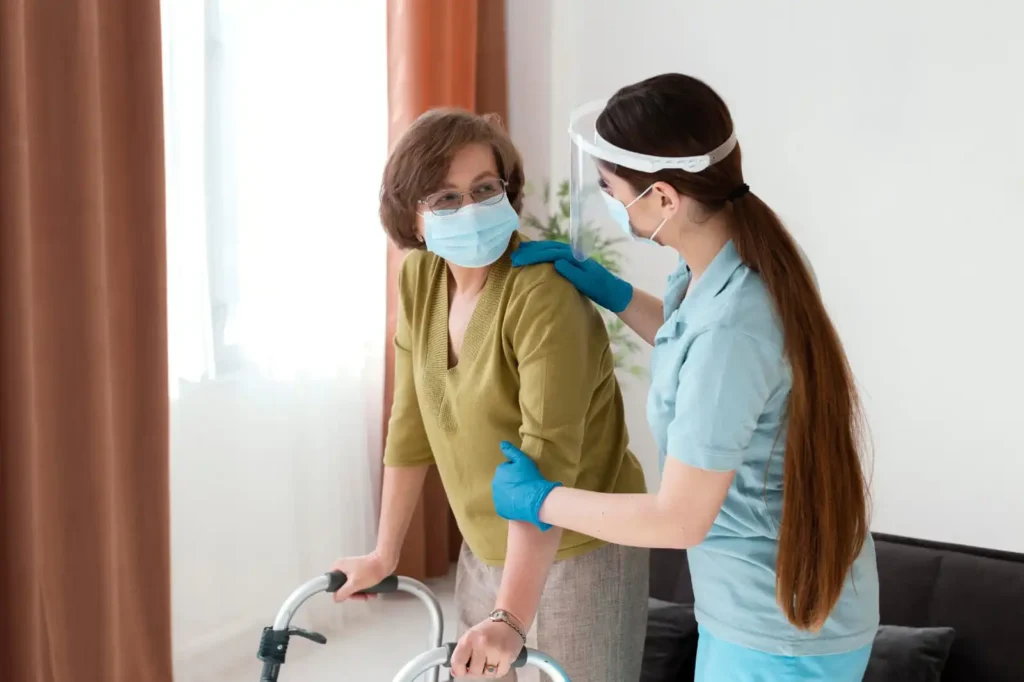
Medicare’s home health aide benefit is generally limited to part-time or intermittent care for people who meet the requirements for Medicare-covered home health services.
According to Medicare, in many circumstances, part-time or intermittent care can involve home health services for up to 8 hours per day and 28 hours per week, with limited situations allowing more frequent care for a short period when medically necessary. These limits and eligibility requirements should be confirmed for the individual’s specific situation.
If your loved one needs continuous supervision or around-the-clock assistance, your family may need to explore other payment sources and care arrangements.
What Are the Medicare Requirements for Home Health Care?
Before Medicare can cover eligible home health services, several conditions must generally be met.
You Must Need Qualifying Skilled Care
One of the most important requirements is the need for qualifying skilled services.
Medicare may cover home health services when a person needs intermittent skilled nursing, physical therapy, speech-language pathology services, or continuing occupational therapy under the applicable rules.
Examples of skilled care may include:
- Wound care
- Certain injections
- Monitoring serious or unstable conditions
- Patient and caregiver education
- Physical therapy
- Occupational therapy
- Speech-language therapy
- Certain medical treatments
The need for skilled care is important because Medicare’s home health benefit is designed primarily for medically necessary care delivered in the home.
You Must Be Homebound
Another major Medicare requirement is being considered homebound.
Being homebound does not necessarily mean that a person can never leave their house. Medicare recognizes situations in which someone may leave home for medical treatment or occasional, short absences.
A person may be considered homebound when leaving home requires considerable and taxing effort or when they need assistance, special transportation, or an assistive device such as a walker, cane, wheelchair, or crutches because of illness or injury.
A healthcare provider determines whether the person meets the applicable requirements.
A Doctor or Allowed Provider Must Order the Care
Medicare-covered home health services must be ordered by a physician or another Medicare-authorized healthcare provider.
The provider must establish or oversee an appropriate plan of care based on the person’s medical needs.
Medicare also requires a qualifying face-to-face encounter related to the reason home health services are needed.
A Medicare-Certified Home Health Agency Must Provide the Covered Care
For Medicare-covered home health services, the care must be provided by a Medicare-certified home health agency.
Families should therefore verify whether the agency they are considering participates in Medicare before assuming that Medicare will pay for the service. Medicare recommends confirming coverage and costs before care begins.
What Home Health Aide Services Can Medicare Cover?
When a person meets Medicare’s home health requirements, eligible home health aide services can provide valuable support with personal care.
Depending on the care plan, covered aide assistance may include:
Bathing and Grooming
A home health aide may help a person maintain personal hygiene and safely complete bathing or grooming activities.
Dressing
An aide may assist with putting on or removing clothing when this support is part of the covered home health plan.
Walking and Mobility
Some individuals need assistance with walking or moving safely around the home, particularly during recovery from an illness or injury.
Feeding
Home health aide services may include assistance with feeding when covered under the applicable home health plan.
Changing Bed Linens
Aides may also assist with certain basic tasks related to maintaining a safe and appropriate care environment.
Medicare lists help with walking, bathing or grooming, changing bed linens, and feeding among examples of home health aide services that may be covered when the person meets the necessary requirements.
What Does Medicare Not Cover for Home Health Aides?
Understanding what Medicare does not cover is just as important as understanding what it does cover.
Medicare generally does not pay for:
- 24-hour-a-day care at home
- Long-term custodial care
- Homemaker services unrelated to the medical care plan
- Shopping and cleaning when they are not connected to covered care
- Meal delivery
- Personal care when personal care is the only type of assistance needed
For example, if a senior only needs someone to come every day to help with dressing, bathing, preparing meals, cleaning the house, and providing companionship, Medicare generally does not cover those services under its home health benefit.
Medicare specifically states that it does not cover custodial or personal care that helps with activities of daily living when that is the only care a person needs.
This is one of the most common areas of confusion for families.
Take the Next Step Toward Quality Home Care
Contact Elbok Home Health Care today to discuss your home care needs, available services, and potential payment options.
What If Medicare Does Not Cover the Home Health Aide?
If Medicare does not cover the type or amount of home care your loved one needs, that does not mean the person cannot receive care at home.
Families may explore options such as:
- Private-pay home care
- Long-term care insurance
- Medicaid, if eligible
- Veterans benefits, if applicable
- Family-supported care
- Community assistance programs
- Other health insurance benefits
- Medicare Advantage plan benefits, depending on the plan
Medicare Advantage plans can have different benefits and coverage rules, so individuals enrolled in Medicare Advantage should contact their plan directly to understand available home health benefits.
It is also important to distinguish Medicare from Medicaid. They are different programs with different eligibility rules and benefits.
How Much Does Home Health Care Cost If Medicare Does Not Pay?
The cost of home care varies depending on several factors, including:
- Type of service
- Number of hours
- Frequency of visits
- Level of care
- Location
- Caregiver qualifications
- Complexity of the individual’s needs
Because home care needs vary significantly, families should request a personalized assessment and pricing information rather than relying on a general estimate.
If Medicare does not cover the requested service, a provider can explain private-pay options and help families understand what type of care may be appropriate.
Does Medicare Cover Home Health Aides After Surgery?
In some circumstances, yes.
After surgery, an individual may qualify for Medicare-covered home health services if they meet Medicare’s eligibility requirements, including the need for qualifying skilled care and homebound status.
For example, someone recovering at home may need skilled nursing for wound care or therapy to regain mobility. If the individual also requires eligible home health aide assistance, aide services may be covered as part of the Medicare home health benefit.
However, Medicare coverage should not be assumed simply because someone has recently had surgery.
The physician and home health agency must determine whether the person meets the applicable requirements.
What Does a Home Health Aide Do?
A home health aide provides hands-on support that helps individuals manage personal care, and everyday activities safely in the comfort of their own homes. Depending on the individual’s care plan and needs, a home health aide may assist with bathing, grooming, dressing, toileting, walking, feeding, and other activities of daily living. This support can be especially valuable for seniors, individuals recovering from illness or surgery, and people who need additional assistance at home.
Home health aides can also help clients maintain a consistent daily routine while providing a reassuring presence for families. Their support may help promote independence, comfort, and safety while allowing individuals to remain in a familiar home environment. When appropriate, home health aide services may be provided alongside skilled nursing or therapy as part of a broader home health care plan.
At Elbok Home Health Care, our home care professionals provide personalized support based on each client’s needs and care goals. If you are considering home health aide services for yourself or a loved one, contact Elbok Home Health Care to learn more about available in-home care options.
Does Medicare Cover Home Health Aides for Seniors?
Age alone does not automatically qualify someone for Medicare-covered home health aide services.
A senior must meet Medicare’s home health eligibility requirements.
This is important because many older adults need assistance with daily activities but may not need skilled medical care. In those situations, Medicare’s home health benefit may not cover the aide services.
For seniors who need ongoing personal care, families may need to consider other home care payment options.
At Elbok Home Health Care, families can discuss their loved one’s individual needs and explore appropriate in-home support options.
Does Medicare Cover Home Health Aides for Dementia?
Dementia can create a wide range of care needs, including assistance with bathing, dressing, mobility, medication routines, meals, and safety.
Medicare coverage depends on whether the person meets the requirements for Medicare-covered home health services. Dementia by itself does not automatically make all home aide or custodial services covered.
If the individual qualifies for the Medicare home health benefit and needs eligible skilled services, certain home health aide services may be covered as part of that care.
However, ongoing supervision, companionship, and custodial assistance may require another payment arrangement.
Families caring for someone with dementia should discuss the individual’s specific needs with their physician and home care provider.
How Can a Home Health Agency Help Families Understand Care Options?
Choosing the right care can feel complicated, especially after a hospital discharge or a new medical diagnosis.

A professional home health care provider can help families understand:
- What type of assistance is needed
- How frequently care may be needed
- Whether skilled care is appropriate
- What services may fit into a care plan
- What questions to ask the physician
- What services may require private payment
- How caregivers can support safety and independence at home
At Elbok Home Health Care, our goal is to help individuals and families understand their in-home care needs and identify practical options for receiving support in a familiar environment.
Whether a person needs skilled home health services, personal care, nursing support, respite care, or assistance with daily activities, a personalized approach can make home care easier to manage.
How Elbok Home Health Care Supports Families at Home?
Navigating home care can be challenging when you are balancing medical needs, daily routines, family responsibilities, and financial considerations.
Elbok Home Health Care provides home-based support designed around the individual needs of clients and their families.
Our services can support individuals who need assistance with daily living, personal care, nursing needs, recovery, respite, and other home care requirements.
Depending on the individual’s needs and service eligibility, support may include:
- Home health care
- Home care nursing
- Personal care
- Private duty nursing
- Respite care
- Live-in care
- Bathing assistance
- Personal hygiene support
- Medication-related assistance
- Care planning
- Post-surgery home support
- Chronic disease management support
- Wound care
- In-home assessments
Our service areas include communities such as Woodbridge, Alexandria, Hamilton, Warrenton, Leesburg, and Fredericksburg, helping families find professional in-home care closer to where they live.
If you are unsure whether your loved one’s needs are better suited to Medicare-covered home health services or another type of home care, speaking with a professional provider can be an important first step.
Frequently Asked Questions About Medicare and Home Health Aides
Have questions about Medicare coverage for home health aides? Explore our FAQs to learn about eligibility, covered services, costs, and home care options for seniors and families.
1. Does Medicare cover home health aides?
Yes, Medicare can cover part-time or intermittent home health aide services when a person qualifies for Medicare-covered home health care and is receiving qualifying skilled services. Medicare generally does not cover personal or custodial care when that is the only care needed.
2. Does Medicare pay for a home health aide to help with bathing?
Medicare may cover assistance with bathing or grooming when the person qualifies for the Medicare home health benefit and the aide service is provided as part of covered home health care.
3. Does Medicare pay for 24-hour home health aides?
No. Medicare does not cover 24-hour-a-day care at home under its home health benefit.
4. Does Medicare cover home health aides for seniors?
Medicare may cover eligible home health aide services for seniors who meet the applicable home health requirements. Age alone does not establish eligibility.
5. Does Medicare cover custodial care at home?
Generally, Medicare does not cover custodial or personal care when that is the only care a person needs.
6. Do I need a doctor's order for Medicare home health care?
Yes. Medicare requires a doctor or another allowed healthcare provider to order and certify qualifying home health services under the applicable requirements.
7. Do I have to be homebound to receive Medicare home health services?
Generally yes, Medicare’s home health benefit includes a homebound requirement, although being homebound does not mean that a person can never leave home.
8. Does Medicare cover home health aides after surgery?
It may, if the individual meets Medicare’s home health eligibility requirements and needs qualifying skilled services. A home health aide may then provide eligible part-time or intermittent support as part of the covered care plan.
9. What if Medicare does not cover the home health aide I need?
If Medicare does not cover the required service, families can explore private-pay home care, long-term care insurance, Medicaid if eligible, Veterans benefits when applicable, or other available resources.
10. How can I find out what home care my loved one needs?
Start by discussing your loved one’s condition and care needs with their healthcare provider. You can also contact a professional home health care provider for an assessment and information about available services and payment options.