

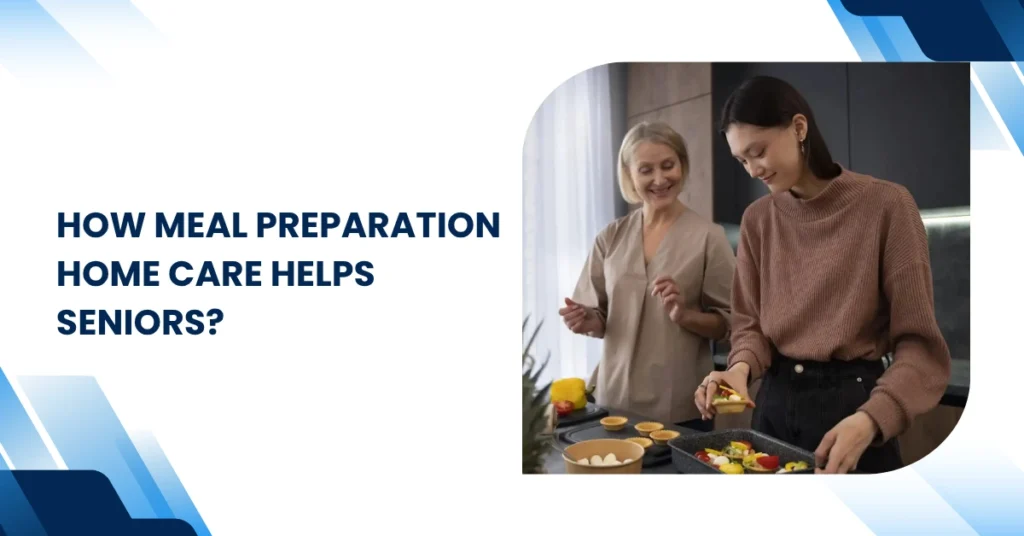
As the age of seniors increases cooking healthy meals each day may become more difficult. Activities like making meals, shopping for groceries and standing at the counter in the kitchen, cutting ingredients on the stove, and then cleaning up afterward could be physically strenuous or dangerous. For those who are older and want to live independently in their homes, having dependable help with eating can make daily life easier and more enjoyable.
Meal preparation at home offers practical assistance that assists seniors in maintaining regular eating habits while staying within their familiar surroundings. A qualified professional in home care can help in planning meals, cooking healthy food items, arranging the kitchen, and performing other tasks related to meals depending on the individual’s needs and preferences.
We at Elbok Home Health Care we recognize that meals are more than eating. Food that is nutritious can boost the body’s energy levels, strength in daily routines and overall health. Our home care program is designed to assist seniors get the support they need as they maintain their dignity, choice and autonomy.
If you or someone close to you require assistance with cooking dinner at home a professional home care can offer the assistance needed to ensure that your routine is safe and easier to manage.
What Is Meal Preparation Home Care?
The Meal Preparation Home Care is kind of home-based support that helps older adults in their meal-related tasks. Based on the individual’s requirements and the support services offered by their care plan, help could include cooking basic meals, arranging ingredients, making menus, warming food items, making snacks, and cleaning up the cooking area after eating.
The objective isn’t to limit the independence of a senior. The goal is to provide the appropriate amount of support so that older adults can continue to enjoy meals at home, without having to deal with tasks that are becoming difficult.
For instance an older person may be able to decide what they would like for lunch, but might have trouble standing for lengthy time while cooking the meal. A caregiver can help in the physical activities while letting the senior be involved in the decision-making process.
Assistance with meal preparation can be especially beneficial for those who have a reduced mobility fatigue, weakness vision issues, fatigue, or other issues related to age.
Why Choose Elbok Home Health Care for Senior Meal Support?
We are at Elbok Home Health Care, our aim is to help seniors with every day activities and help them stay at ease in their home.
Our focus is on:

Compassionate Support
We treat senior citizens with respect, compassion and respect.
Personalized Assistance
Every senior has a different routine and needs. We provide assistance according to the individual’s needs.
Independence
Our aim is to help in tasks that are challenging and encourage seniors to stay engaged in their daily activities whenever it is safest for them.
Reliable Home-Based Care
The support provided at home can allow seniors to maintain their familiar routines and surroundings.
Family Support
The home care service can also provide family caregivers with additional help in handling daily tasks.
If you have a loved one who has difficulty cooking meals on their own, Elbok Home Health Care can assist you in finding the best home care option.
Patient and Family Education
Why Meal Preparation Can Become Difficult for Seniors?
It may appear to be an everyday task however, preparing food often involves a variety of mental and physical tasks.
A typical meal could include:
- Choosing what to cook
- Checking available ingredients
- Shop for groceries, or organize your groceries
- Cleaning and cutting vegetables
- Open containers and open packaging
- Measuring the ingredients
- At the counter
- Making use of kitchen tools and knives
- Observing food as it cooks
- Dishes and pots to be transported
- Food and drink service
- Dishes and countertops cleaned
For older adults doing all of these things on their own can be tiring or difficult.
The weaker muscles makes it difficult to lift pots. Insufficient mobility may create discomfort in standing at the table. Balance issues can cause worries about being able to move between refrigerators counter, sink and the stove.
When the challenges of aging result in seniors having to miss meals or rely on meals that are convenient, professional meal preparation assistance is a vital component of the overall home health routine.
1. Helps Seniors Maintain Regular Meals
One of the greatest advantages of meal preparation at home care is that it helps seniors keep the same eating routine.
Seniors may be prone to avoid meals due to the fact that cooking is too laborious. They may snack instead of meals, or get bored cooking if the process becomes too difficult.
A caregiver can offer practical assistance in the preparation of food and snacks in accordance with the individual’s preferences and routine.
Being able to have someone on hand to assist with meal preparation can help seniors to keep a routine.
A routine that is consistent can give structure to your day. Lunch, breakfast dinner, snack time, and even snacks are all routine parts of a senior’s routine at home.
2. Supports Nutritious Food Choices
Nutrition is a crucial aspect of a healthy ageing. Seniors require adequate nutrition to help them maintain their daily activities as well as their overall well-being.
However, cooking healthy meals requires the planning and work.
Assistance with meal preparation can help seniors make the right choices for their diet that meet their needs and any suggestions made by their health professionals.
Caregivers could assist in the preparation of food like:
- Vegetables that are fresh or frozen
- Fruits
- Whole grains
- Lean proteins
- Eggs
- Beans and legumes
- Yogurt as well as other dairy-based foods
- Simple meals and soups
- Healthy snacks
A caregiver cannot replace an experienced certified medical professional or dietitian. If a senior suffers from kidney disease, diabetes difficulties swallowing, food allergies or any other condition that requires special diets parents should get advice from the healthcare professional who is responsible for their care.
Home care is able to support the meal plan established by providing practical help with preparation.
3. Makes Cooking Less Physically Demanding
It is common for cooking to require standing bent, reaching or lifting and getting around the kitchen.
They can be exhausting for those with impaired mobility or a lower level of endurance.
A caregiver at home can help in physically demanding aspects that are involved in meal prep, which allows seniors to take part in a relaxed manner.
For instance an elderly person could choose the food while the caregiver takes care of things like:
- Gathering ingredients
- Washing food items
- Cutting ingredients
- Food stirrers
- The weightier cookware you carry
- Moving prepared meals
- The kitchen is cleaned
This kind of support could aid seniors in conserving energy to pursue other activities that they love.
4. Can Help Reduce Kitchen-Related Safety Concerns
The kitchen can be full of dangers, such as hot surfaces sharp knives hot liquids boiling, slipping floors along with heavy kitchenware.
People who are older and have mobility or balance issues may find these dangers more difficult to handle.
Home care for meal preparation could provide a second layer of assistance during cooking.
A caregiver may assist in the proper tasks and assist to maintain a clean and organized kitchen. In accordance with the care plan the caregiver might also clean up spills, throw food items in storage and keep the frequently utilized areas tidy.
Families must remember that home care isn’t an alternative to professional home safety inspections when serious fire or fall hazards are present. If a senior has difficulties in using kitchen appliances safely and appliances, the family should discuss suitable precautions with health experts.
5. Helps Seniors Continue Living Independently
Many older adults wish to remain in their homes the longest time possible.
Receiving assistance for everyday tasks can help assist in reaching that goal.
The preparation of meals is an example of an everyday job that could become difficult without necessarily requiring an older person to leave the house.
Instead of taking on the routine of an elderly person the home care provider can offer assistance when needed.
A senior may still:
- Choose your preferred meals
- Assistance with easy preparation
- Choose the best time to eat
- Participate in the grocery planning process
- Set the table
- Get your meals in the privacy of their home
This can help to increase independence while also reducing the burden of demanding tasks.
6. Provides Personalized Meal Support
Every senior person has their own preferences and routines, as well as lifestyle preferences, and food requirements.
Many seniors like traditional meals cooked at home. Others might prefer sandwiches or soups, salads or dishes that are easy to prepare.
The ability to customize meal preparation assistance helps caregivers meet the individual’s preferences and requirements for care.
For instance, one senior might like breakfast at a reasonable time in the morning, while another could be more flexible. Certain seniors might prefer a variety of small meals or snacks during the day.
A customized approach could help make meal assistance feel like an element of the regular routine, rather than a major inconvenience.
7. Helps Families Manage Caregiving Responsibilities
Family members usually want to care for an aging parent or grandparent or loved ones. However, work, kids traveling, or other obligations can make caring for a loved one difficult.
The daily preparation of meals can be a new responsibility families are struggling to manage.
A professional home care service can provide assistance with the daily meal-related chores.
This doesn’t mean that family members must leave their loved family member’s life. Instead, they could spend more time with each other instead of focusing solely on household chores.
A caregiver could handle the routine of meal preparation while the family members concentrate on conversations, companionship or appointments, among other important obligations.
8. Encourages Better Daily Routines
A regular meal plan can help to have a more organised day.
For many older adults food is a necessity in the midst of other activities.
For instance:
Breakfast: Breakfast and morning routine
In the afternoon: Lunch, hydration rest, and other activities
Afternoon: Dinner and preparation for the evening
A caregiver can assist in establishing the routine of meals and still respect the preferences of the senior.
This regular routine can be particularly beneficial for older adults who require more regimen.
9. Supports Grocery and Kitchen Organization
The preparation of meals doesn’t begin once the stove has been turned on. The planning and organization of meals are essential.
In accordance with the service and plan of care the home care experts may assist in the planning of meals, making grocery lists, arranging ingredients for meals, and even preparing the ingredients.
A well-organized kitchen can help you prepare your meals more efficiently.
For instance, frequently utilized ingredients can be stored in areas that are easily accessible, while expired food items can be identified and appropriately addressed.
Families must confirm the grocery shopping and food related tasks are covered by the service they select for home care since services may differ between different providers.
10. Helps Seniors Enjoy Familiar Foods at Home
Food can be tied to family memories, family traditions and personal preferences.
Moving to a new place could mean a change in familiar foods and routines.
Home care for meal preparation lets seniors continue to enjoy meals in peace in their home kitchen.
The caregiver may assist in making familiar dishes while letting the senior be involved.
For families, this could be significant as well. A family favorite recipe may remain a an element of the senior’s life even if they require assistance making it.
11. Can Support Seniors With Limited Mobility
Limitations in mobility can affect nearly everything in cooking.
Moving around the kitchen, reaching for cabinets and refrigerators and carrying dishes is challenging for people who are using wheelchairs or walker.
The assistance in meal preparation can lessen the physical demands of cooking.
The caregiver can assist with the tasks that require more mobility while the senior is still active in activities and choices that are appropriate and comfortable.
Modifications to the kitchen and home equipment can also be beneficial for some people. A therapist for occupational therapy can offer expert advice when a senior struggles to complete cooking tasks on their own.
12. Offers Companionship During Meal-Related Activities
Preparing meals is often an activity in itself for senior citizens living on their own.
A caregiver can be a source of social interaction during food preparation is being made.
Simple conversations at the kitchen table or during meals can make your daily routine seem more enjoyable.
Companionship isn’t identical to medical care However, meaningful social interactions could be a crucial component of a person’s overall quality of living.
In Elbok Home Health Care, we believe that high-quality home health care must consider the whole person such as comfort, preferences routines, independence, and comfort.
Support Your Loved One With Comfortable, Personalized Home Care
Call Elbok Home Health Care today to find out more about our home health services and talk about how individualized assistance can help meet the needs of your senior loved one’s requirements.
What Does a Home Caregiver Do During Meal Preparation?
The precise responsibilities will depend on the needs of the senior, the caregiver, and the care plan.
Assistance with meals may consist of:
Meal Planning
A caregiver can assist in organizing menu ideas based on the preferences of the senior and guidelines for eating.
Food Preparation
This could include washing, peeling cutting or mixing the ingredients for a meal.
Cooking Assistance
Caregivers are able to prepare meals based on the service plan and the seniors’ preferences.
Reheating Meals
Food items that are prepared can be reheated and served as needed.
Snack Preparation
Caregivers can help prepare easy meals that are compatible with the needs of seniors.
Kitchen Cleanup
Based on the care plan the caregivers could clean dishes, wipe counters, or tidy the area where meals are prepared.
Food Organization
A caregiver could help organize food items and ensure that items used frequently are easily accessible.
The precise scope of the service must be confirmed by the provider of home care.
How to Get Started With Meal Preparation Home Care?
Getting started with meal preparation home care begins by understanding your loved one’s daily needs, meal preferences, and level of assistance required. A trusted home care provider can then create personalized support that makes meal routines easier, safer, and more comfortable at home.

Step 1: Identify Your Loved One's Needs
Think about what your loved one could be able to do without assistance and which meals-related activities are becoming difficult for them.
Step 2: Discuss Preferences
Consider your favorite foods meals, meal plans, habits of the culture, and routines.
Step 3: Contact a Home Care Provider
Talk to a reputable caregiver in your home regarding the kind and amount of help your loved one might require.
Step 4: Create an Appropriate Care Plan
Care plans can help determine the daily tasks where assistance is the most beneficial.
Step 5: Review the Care Regularly
Seniors’ needs may change with time. A regular communication with the family and the care provider can to ensure that the support is suitable.
Who Can Benefit From Meal Preparation Home Care?
Help with meal preparation is helpful for the elderly, and especially those who have difficulty with daily cooking.
It can be helpful for those who are
- Live in solitude
- Are you unable to move around?
- Feel tired during your daily activities
- Are you unable to stand for long durations
- Are you having trouble carrying your food items or cooking equipment
- Need assistance in maintaining your daily routine
- Are you having trouble preparing your meals on your own?
- I prefer to stay in place and age
- Additional non-medical assistance is needed at home
- Family caregivers aren’t able to offer daily assistance
A senior doesn’t necessarily have to be dependent to receive home care.
In reality, having assistance for specific tasks can enable an older person to remain independent in other aspects of their lives.
How to Know When a Senior May Need Meal Preparation Assistance?
Families can notice changes in eating habits and cooking habits, but don’t realize that additional support for their home might be required.
Signs to watch out for could include:
- Sometimes, we skip meals
- Consuming the same foods because cooking can be difficult
- A lot of us rely on packaged convenience food items
- Beware of the kitchen
- Having trouble carrying pots or dishes
- Are you having trouble standing up while cooking?
- Inadequate ingredients or meal planning steps
- Do not leave cooking appliances unattended
- Frustration over the cooking meals
- Depends more and more the family for meals
These indicators do not necessarily suggest that a senior requires an expert in home healthcare. However, they can be good reasons to discuss the needs of the person with loved ones and healthcare experts.
Meal Preparation Home Care vs Meal Delivery
Home delivery of meals and meals can serve a variety of functions.
Meal delivery is a service that provides food prepared that is delivered to a elderly’s residence. It’s a good option for people who have access to meals that are prepared.
Meal preparation at home care offers the assistance needed to prepare meals at home.
For instance an elderly person might need assistance in preparing a meal, or organizing the ingredients or cleaning up following the meal.
Certain seniors might receive meals delivered, but others could benefit by Personal Care Assistance. In certain situations families could benefit from both.
The best choice is based on the abilities of the person who is in charge and preferences, their budget, dietary needs and general needs for care.
Frequently Asked Questions About Meal Preparation Home Care
Find clear answers to common questions about meal preparation home care, including its benefits, caregiver support, meal planning, and how it can help seniors maintain independence and healthy daily routines at home.
1. What is the definition of meal preparation home care?
Meal preparation home care offers home-based assistance for all meals-related activities for senior citizens. Based on your care program, support can consist of meal planning, cooking ingredients, cooking meals, heating food items, making snacks, and cleaning up the kitchen.
2. How can meal preparation at aids seniors with home care?
It makes mealtime routines less demanding. It could also aid in the independence of eating habits, regular meals families, caregivers for the family, as well as the capacity to live in a comfortable home.
3. Do caregivers cook meals for people who are elderly?
In numerous home care arrangements, caregivers are able to assist in the preparation of meals and snacks in accordance with the preferences of the elderly and their care plan. Families need to confirm the exact offerings offered by the service.
4. Can meal preparation help seniors age in place?
Yes. assistance with daily activities like meal preparation could aid seniors to manage their the daily routine at home with as much autonomy as is possible.
5. Does home care for meals include shopping for groceries?
Certain companies may provide assistance for grocery shopping, whereas others might have different limitations on services. Families should inquire with the service provider if grocery shopping and food organizing services are offered.
6. Can caregivers cook special meals for their clients?
Caregivers could be able cook meals following the guidelines given by the senior’s health care or dietary professional, based on the health plan. Seniors who have medically complicated diets should adhere to the recommendations of their doctor.
7. Does meal preparation count as home health care?
Meal preparation is usually thought of as an in-home personal or supportive care service, and not medical treatment. The precise classification and services offered can differ based on the service provider and the person’s particular care plan.
8. Are meal preparations a way to support caregivers for the family?
Yes. Professional assistance can help alleviate some of the burdens that caregivers of the family are faced with which allows them to focus on other duties and enjoy moments with their beloved one.
9. How often is it possible for seniors to receive assistance with meal preparation?
The frequency is determined by the needs of the senior, their care plan, availability of providers and the type of care plan. Certain seniors might require occasional assistance, whereas others require assistance in a regular home care program.
10. What can I do to arrange the home-cooked meals for my family member?
Begin by calling a reputable home care service such as Elbok Home Health Care. Discuss your loved one’s routine as well as food-related concerns, preferences, and the kind of help required. The service provider will explain the the available services and assist in determining the appropriate next steps.